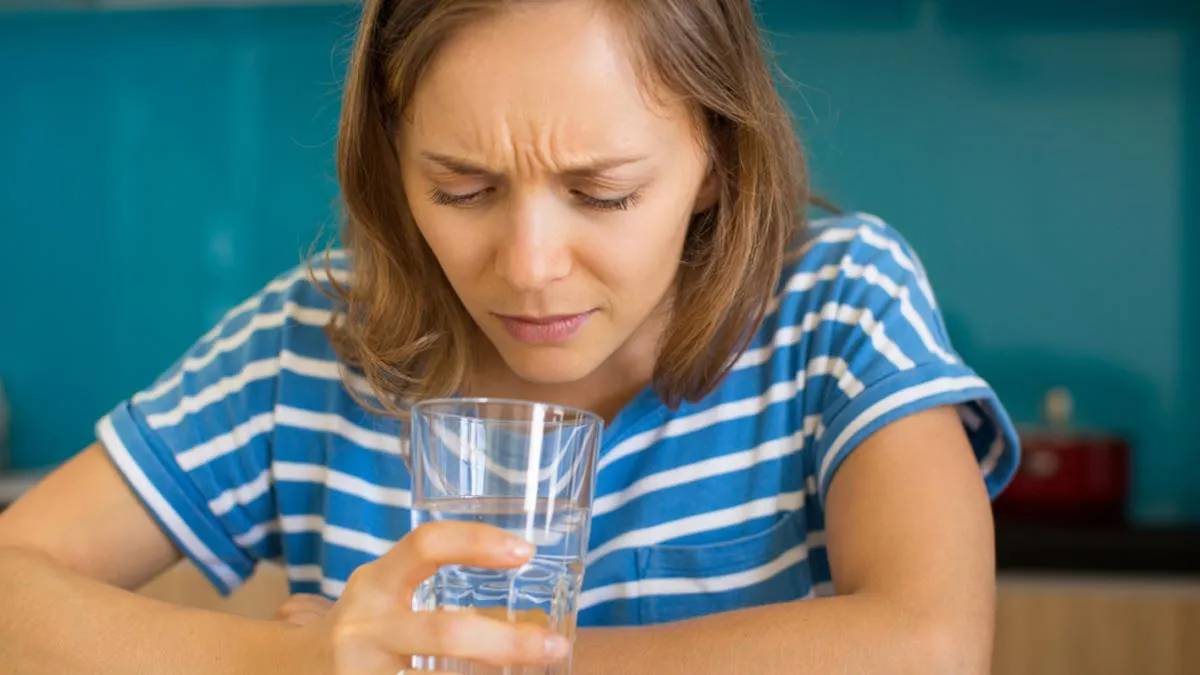
The latest water contamination crisis in Indore has once again shown how hazardous it is to drink water that is not reliable. In the Bhagirathpura locality, residents first noticed a foul smell, bitter taste, and visible discolouration in their tap water. Soon after the contaminated water was reported, there was a sudden increase in the number of cases of people visiting the hospital due to vomiting, diarrhea, dehydration, and high fever.
What began as a quality issue quickly escalated into a severe waterborne disease outbreak, with nine confirmed deaths and over 200 people admitted for treatment. This incident serves as an effective reminder that mixing sewage with drinking water is not a mere infrastructure defect but a very serious public health issue.
Why Sewage-Contaminated Water Is So Dangerous
When sewage water comes in contact with potable water, it becomes a breeding ground for harmful bacteria, viruses, and parasites. In an exclusive interaction with the editorial team of Onlymyhealth, Dr Tushar Tayal, Associate Director, Internal Medicine, CK Birla Hospital, Gurugram, explained, ''When sewage water comes in contact with drinking water, it creates a potential health hazard for waterborne infections like diarrhea and typhoid, hepatitis A, cholera, and parasitic infections.'' Read ahead to know everything he shared with us.
These diseases prevail at an accelerated pace, particularly in tightly packed urban regions, and they are fatal for susceptible populations like infants, old people, and those with compromised immunity.
ALSO READ- Does Himalayan Salt Cause Iodine Deficiency? Let’s Find Out
 1-water
Daily Water Precautions Everyone Must Follow
While civic authorities work to fix pipelines and prevent leaks, individuals and families must take proactive steps to protect themselves daily. Here is what Dr Tayal suggested:
1. Always Treat Tap Water Before Drinking
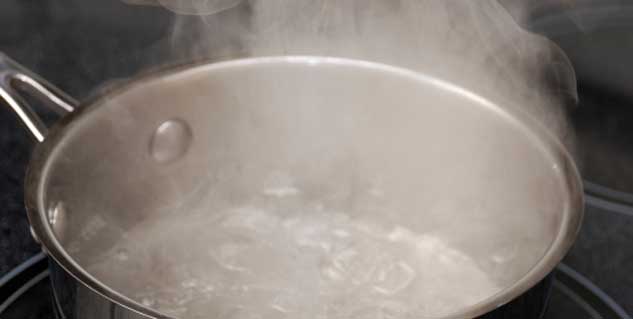
Treated water is the only safe way to drink it if there is a risk of contamination. Dr Tayal recommended boiling the water for three to five minutes at 100 degrees which is enough to kill most of the pathogenic organisms in the water. Additionally, certified water filters using RO, UV, or UF technologies will help in getting rid of the contaminants and thus make the water safe for drinking.
2. Store Drinking Water Safely
Water safe for drinking should be kept only in clean, covered and food grade containers. “Never dip your bare hands, use cups, or ladles that are not clean into the stored water. Take the water out with a clean dispenser that is dedicated for that purpose to avoid secondary contamination,” shared Dr Tayal.
3. Maintain Strict Hand Hygiene
Our hands carry germs. Dr Tayal said, “Bare hands must not touch the water of the utensils or the place from where potable water is drawn from storage.” Hand washing with soap and water is very important to prevent germs, especially in public places, when you are going to handle or drink water.
ALSO READ- Expert Shares What Makes Childhood Depression Difficult To Assess, and Ideal Aftermath
 water-boiling
4. Keep Your Home Water System Clean
Water can get contaminated from inside as well. The lack of proper maintenance of home plumbing could provide a way for germs to enter. Here’s what you can do:
- Schedule cleaning for overhead water tanks
- Flush and examine household pipelines for leaks or backflow
- Separate well sewage lines and water pipes
- Ensure regular maintenance to reduce the chances of contamination
5. Extra Care for High-Risk Groups
Infants, elderly people, pregnant women and patients with chronic diseases or very low immunity are the ones who need the most protection. Dr Tayal suggested that bottled or laboratory-tested drinking water should be used for these groups whenever there is a contamination scare. Even for preparing baby food or medicines, only purified or boiled water should be used.
6. Food Safety Matters Too
The contamination of water takes its toll not only on drinking water but on food too. All fruits and vegetables should be washed with purified or boiled water, especially those to be eaten raw. “Do not consume street food during outbreaks, as it is usually prepared with untreated water,” he added.
Bottomline
Mixing drinking water with sewage is a hidden yet lethal danger. Simple habits like boiling water, maintaining hygiene, and reporting contamination promptly can prevent serious illness and save lives.
FAQ
1. Is boiling water sufficient for safe drinking?
Boiling kills most germs, but combining it with RO, UV, or UF filtration offers better protection.2. Who is most at risk from contaminated water?
Babies, the elderly, pregnant women, and people with weak immunity face the highest risk.
All possible measures have been taken to ensure accuracy, reliability, timeliness and authenticity of the information; however Onlymyhealth.com does not take any liability for the same. Using any information provided by the website is solely at the viewers’ discretion. In case of any medical exigencies/ persistent health issues, we advise you to seek a qualified medical practitioner before putting to use any advice/tips given by our team or any third party in form of answers/comments on the above mentioned website.
How we keep this article up to date:
We work with experts and keep a close eye on the latest in health and wellness. Whenever there is a new research or helpful information, we update our articles with accurate and useful advice.
-
Current Version
Jan 02, 2026 17:19 IST
Modified By : Tanya Srivastava Jan 02, 2026 17:19 IST
Modified By : Tanya SrivastavaJan 02, 2026 17:19 IST
Published By : Tanya Srivastava
Reviewed By : Dr Tushar Tayal