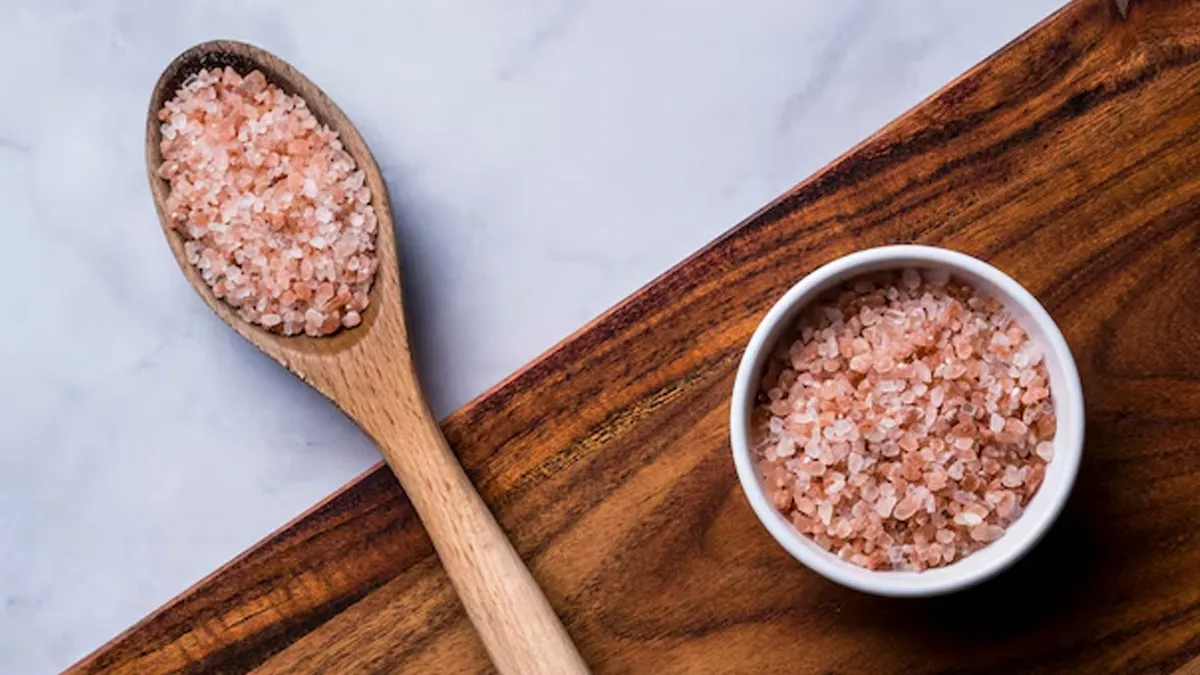
Are you one of those who have replaced normal iodised salt with ‘healthier’ options like himalayan pink salt aka sendha namak? Well, this move might have been influenced by experts or people who must have shared how himalayan rock salt is good for your health. Well, this may not be completely wrong. But if you have stopped having normal salt entirely, then this may be a problem. If you want to know how and why, then read ahead.
To get an expert view on this topic, we reached out to Dr Tushar Tayal, Associate Director, Internal Medicine, CK Birla Hospital Gurgaon.
Can Himalayan Salt Cause Iodine Deficiency?
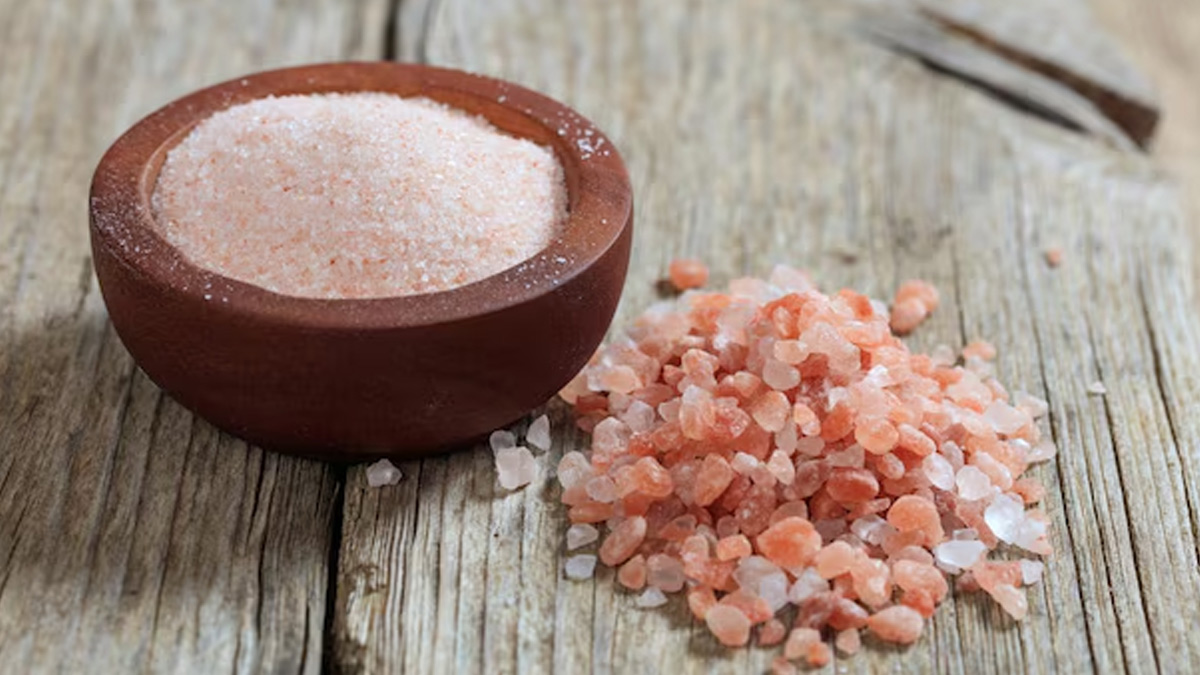
Let us begin by diving deep into the main question – can Himalayan salt cause iodine deficiency or not? “Himalayan pink salt contains negligible amounts of iodine. When people completely replace iodised salt with Himalayan salt for daily cooking, their overall iodine intake can drop significantly over time. Since iodine is essential for thyroid hormone production, this can gradually lead to iodine deficiency, especially in pregnant women, children, and people with restrictive diets. The problem is not occasional use, but long-term exclusive use,” says Dr Tayal.
 pink salt 1
On this note, the expert lists down the disadvantages of Himalayan salt:
- The biggest drawback of Himalayan salt is that it is not iodised, making it unsuitable as a primary household salt.
- Although it contains trace minerals, these are present in extremely small quantities and do not provide measurable health benefits.
- Relying on it for regular use may increase the risk of thyroid disorders due to inadequate iodine intake, particularly in iodine-deficient regions.
Side Effects Of Himalayan Salt
On this note, let us take a closer look at some of the side effects of excessive intake of Himalayan salt:
- Heart disease: High blood pressure is the leading cause of heart diseases. With time, this can lead to stroke, heart attack, or heart failure.
- Kidney diseases: Too much sodium can raise the risk of chronic kidney disease (CKD). If you have CKD, you should set guidelines about how much sodium (from all sources) is permissible for you for intake; and for this, you need to consult a doctor.
- Osteoporosis complications: The more your salt intake, the more calcium your body flushes out through urine. Due to this, people with osteoporosis must stick to a low-sodium diet to prevent losing calcium.
- Cancer: Too much sodium intake may increase your risk of stomach cancer.
Also Read: Pink, White, Table, Or Iodised: How To Choose The Right Salt For Optimal Health
What Are The Symptoms Of Low Iodine Levels?
But how to understand whether you are suffering from Iodine deficiency or not? Our expert lists down symptoms and signs to look out for:
- Iodine deficiency often affects the thyroid and can cause fatigue, unexplained weight gain, cold sensitivity, dry skin, hair loss, and constipation.
- One visible sign is goitre, or swelling in the neck due to thyroid enlargement. In children, iodine deficiency can impair growth and learning ability.
- In pregnancy, it increases the risk of developmental problems in the baby.
 pink salt 2
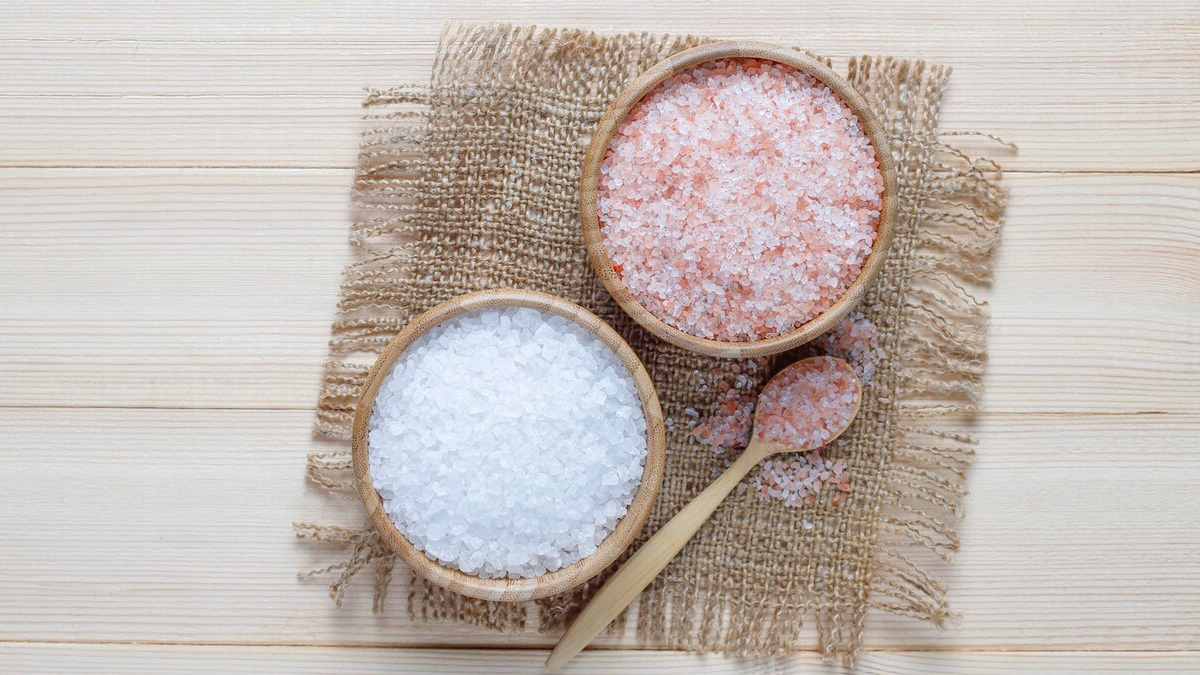
So, which salt is good for preventing iodine deficiency? “Iodised salt is the most effective and reliable option for preventing iodine deficiency. It is fortified with a precise amount of iodine that meets daily requirements when used regularly. Global health organisations recommend iodised salt as a simple, safe, and cost-effective public-health measure to protect thyroid health across all age groups.” shares Dr Tayal.
Which Is The Healthiest Salt You Can Eat?
Last but not the least, if you are wondering which salt is the healthiest, our expert answers this for you. Dr Tayal explains, “The healthiest salt is iodised salt, as it helps meet iodine requirements without changing eating habits. While all salts should be consumed in moderation to control blood pressure, iodine sufficiency is crucial for overall metabolic and hormonal health. Choosing non-iodised ‘natural’ salts may look appealing, but can silently increase nutritional risk.”
 pink salt 3
So, are you wondering how you can increase your iodine levels quickly? “Switching back to iodised salt in daily cooking is the quickest and easiest way to improve iodine intake. Including iodine-rich foods such as milk, curd, eggs, seafood, and fish can further help restore levels. In confirmed deficiency cases, iodine supplements may be advised, but these should always be taken under medical guidance,” concludes Dr Tayal.
Also Read: Expert Shares The Best Alternative Of Salt For Blood Pressure Patients
The Final Word
Himalayan pink salt contains negligible amounts of iodine. When people completely replace iodised salt with Himalayan salt for daily cooking, their overall iodine intake can drop significantly over time.This can gradually lead to iodine deficiency, especially in pregnant women, children, and people with restrictive diets.
FAQ
Can Himalayan salt cause iodine deficiency?
Yes, if used as a substitute for iodised salt, Himalayan pink salt could contribute to iodine deficiency.Which salt is good for iodine deficiency?
Using iodised salt is also an important way to prevent iodine deficiency.What are the first signs of iodine deficiency?
Swelling of thyroid glands in the neck is the first sign of iodine deficiency
All possible measures have been taken to ensure accuracy, reliability, timeliness and authenticity of the information; however Onlymyhealth.com does not take any liability for the same. Using any information provided by the website is solely at the viewers’ discretion. In case of any medical exigencies/ persistent health issues, we advise you to seek a qualified medical practitioner before putting to use any advice/tips given by our team or any third party in form of answers/comments on the above mentioned website.
How we keep this article up to date:
We work with experts and keep a close eye on the latest in health and wellness. Whenever there is a new research or helpful information, we update our articles with accurate and useful advice.
-
Current Version
Jan 02, 2026 15:58 IST
Modified By : Shruti Das Jan 02, 2026 15:58 IST
Modified By : Shruti DasJan 02, 2026 15:58 IST
Published By : Shruti Das
Reviewed By : Dr Tushar Tayal