



Childhood depression is a growing yet often misunderstood mental health concern. Unlike an adult, a child might not be able to use the right emotional words or have the right level of self-knowledge to tell about his or her continuous state of sadness or loss of hope. As a result, very often, the child's ordeal is manifested through vague or mixed up signals thus making it difficult for the diagnosis to be done on time.
Table of Content:-
According to Dr Sachin Baliga, Consultant, Psychiatrist, Fortis Hospital, Bannerghatta Road, Bengaluru, it is important to recognise these different patterns because this helps to determine whether the child will get support right away and also if he or she will have good emotional health in the long run. Read ahead to know everything he shared with us.
Why is Childhood Depression Often Overlooked?
One of the biggest factors making it difficult to evaluate childhood depression is that children do not usually show the symptoms associated with depression. Instead of looking sad, they might appear to be angry, aggressive, super sensitive or not socialising. Additionally, behavioural patterns such as tantrums, being overly attached to parents or sudden changes in behaviour are often misinterpreted as disobedience or attention-seeking, so they are not recognised as emotional issues.
“Children generally express suffering to their parents through behaviour rather than words. This kind of communication can easily be taken for granted as a normal phase of child growth therefore postponing professional help,” said Dr Baliga.
ALSO READ- Depression-Headache Link: Study Reveals Role of Weight and Diet

Overlap With Other Developmental and Mental Health Conditions
As per Dr Baliga, one of the primary difficulties with children’s mental health is the problem of symptom overlap. Difficulties in focusing attention, being unable to sit still, falling behind academically, and withdrawing from others can all appear as symptoms of Attention Deficit Hyperactivity Disorder (ADHD), anxiety disorders, learning disabilities, or even just normal developmental changes. This overlap frequently results in misdiagnosis or underdiagnosis.
Moreover, a large number of children suffering from depression also have physical complaints, such as, headaches, stomachaches, tiredness, or sleep disorders. These psychosomatic symptoms may lead to frequent medical consultations while the emotional cause remains neglected.
Environmental and Social Influences on Children’s Mental Health
The mental health of children is greatly determined by external factors. Emotional turmoil can come from academic pressure, bullying, peer rejection, family disputes, parental separation, death in the family, or too much screen time. Since these factors are often seen as part of life and neglected, the child’s emotional reaction may not be properly noticed or addressed.
Dr Baliga mentioned that the stigma associated with mental health in society is another contributing factor. Parents may be reluctant to take their kids to a psychiatrist out of fear that their child will be labelled or judged, which then leads to slower diagnosis and longer suffering.
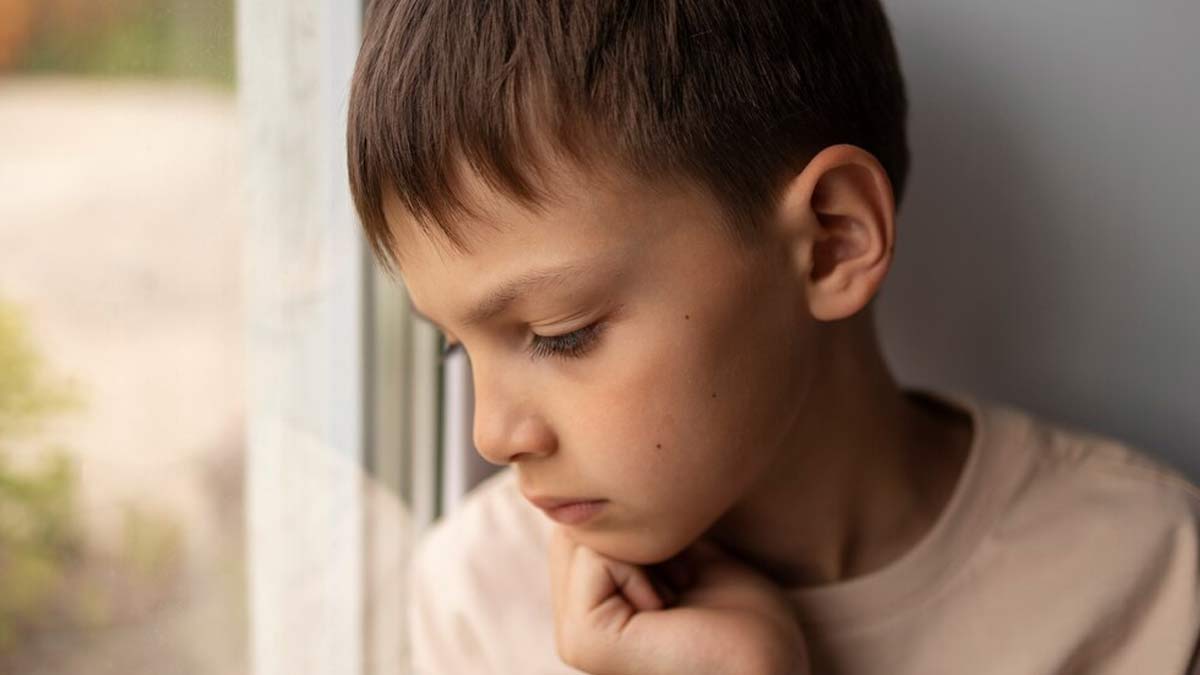
Why Comprehensive Assessment Is Essential for Children’s Mental Health
There is no single diagnostic test for childhood depression. “The process of making a diagnosis consists of clinical interviews, age-appropriate psychological evaluation, behavioural observations, and input from parents, caregivers, and teachers. Above all, knowing the child's developmental stage is essential, because younger kids might be unable to recognise emotions, while teenagers might hide sadness behind social withdrawal or risky behaviour,” Dr Baliga shared.
ALSO READ- Study Shows Social Media Detox For A Week Can Improve Youth’s Mental Health - Expert Decodes
The Ideal Aftermath: Expert-approved Pathway to Healing for Children
Even if a child is diagnosed with depression early and given suitable treatment, he/she can recover very well. Therapy is usually the first-line treatment which might include Cognitive Behavioural Therapy (CBT), play and family therapy. In addition to such approaches, medication could be explored for moderate to severe cases but only with strict psychiatric monitoring.
"The goal is to not only alleviate the symptoms but also to make the kid emotional strong and give him/her healthy ways of coping. Depending on the child's individual case, mother/father involvement, regular routines, emotional support, and less stress can all be parts of recovery,” Dr Baliga noted.
Teachers and schools also have an important function in this process by providing counselling, adjusting academic requirements, and creating an environment that is safe and understanding. The child’s emotional health is guaranteed long-term through the follow-ups and relapses are prevented as the child matures.
Bottomline
Childhood depression is hard to assess aschildren show their pain in different ways, but the intervention once given can be holistic and may lead to a child with great emotional strength.
Also watch this video
FAQ
1. Can depression occur in very young children?
Yes, depression can be a problem for every child, although it often shows up in the form of behavioural or physical complaints.2. How long should depression symptoms in children last before help is sought?
If emotional or behavioural changes are more than two weeks and disrupting the daily life, then the professional treatment should be considered.3. Is child therapy effective without medication?
Yes, many children improve with therapy alone; medication is reserved for specific clinical situations.
How we keep this article up to date:
We work with experts and keep a close eye on the latest in health and wellness. Whenever there is a new research or helpful information, we update our articles with accurate and useful advice.
Current Version
Jan 02, 2026 14:10 IST
Published By : Tanya Srivastava