
It's not a big deal to splash through puddles on the way to work, but your feet aren't in the same boat. Walking through rainwater is not an automatic infection. On the other hand, wet shoes and prolonged exposure to moisture and water can make the skin soft and cause damage, and fungus can grow in wet shoes. There is also the possibility of infection with bacteria if the water is contaminated, especially if there are cuts or cracks in the skin. These are the indications to look out for.
How Walking In Rainwater Increases the Risk of Foot Infections?
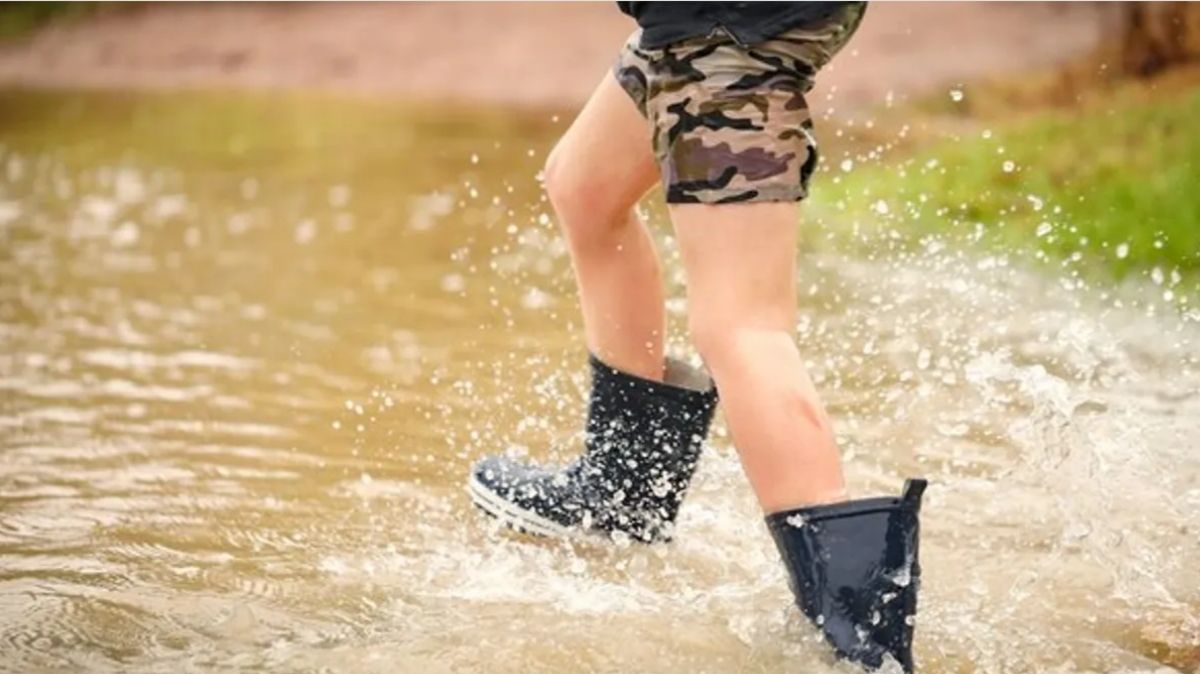
Dr Reshma T Vishnani, Consultant Dermatologist, Trichologist and Aesthetic Dermatologist, Kokilaben Dhirubhai Ambani Hospital, Mumbai, explains, “Prolonged exposure to moisture can soften and damage the skin, while wet footwear creates an environment where fungal infections can thrive.” Read on to know the top 5 signs that may indicate that you have an infection in your feet after walking in the rain.
1. Itching or Burning Between the Toes After Walking in Rain
According to Dr Vishnani, “this can be an early sign of athlete's foot, or tinea pedis, particularly when accompanied by peeling, scaling or whitish, soggy skin between the toes.”
This isn't a rare complaint either. A 2025 study published in Qatar Medical Journal found tinea pedis, a contagious fungal skin infection that usually starts between the toes, remains a common condition worldwide. Its symptoms typically start in the space between the toes before spreading if left untreated.
2. Redness, Warmth or Swelling
“Red, swollen or unusually warm skin can indicate inflammation or a bacterial infection such as cellulitis,” according to Dr Vishnani, particularly if the redness is spreading or the area is becoming increasingly painful.
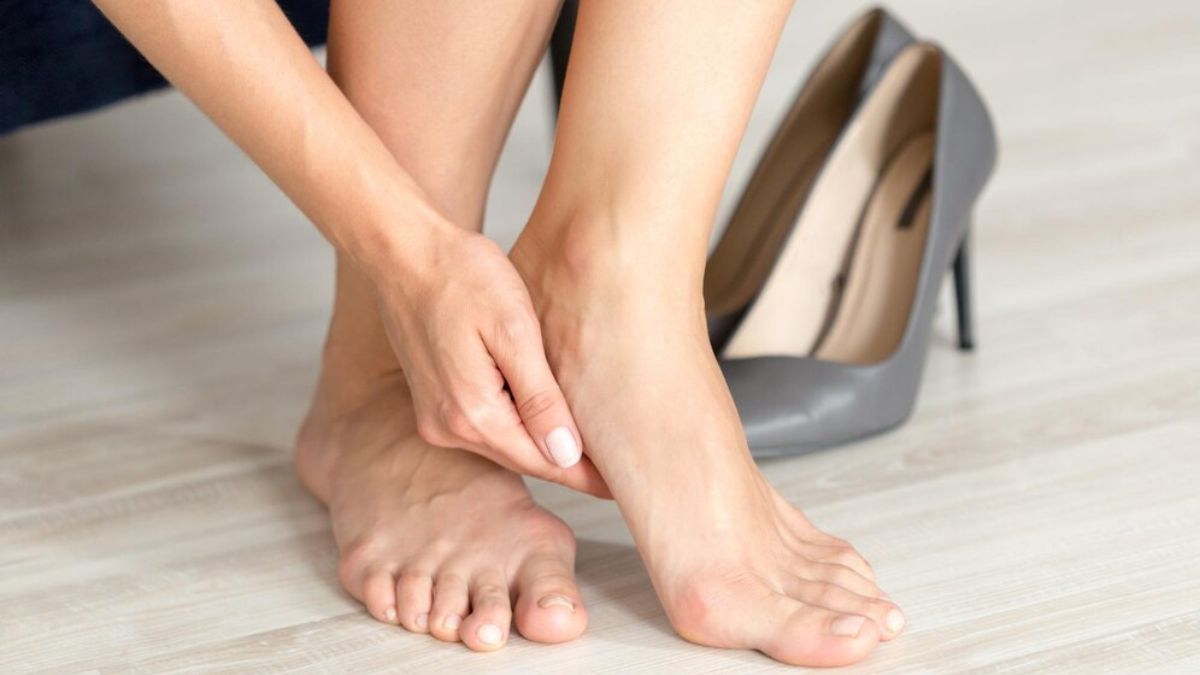
This progression from fungal to bacterial infection is well documented. According to the Merck Manual's dermatology reference, secondary bacterial infection, cellulitis, and lymphangitis are common complications of untreated tinea pedis. This makes early recognition of redness and swelling particularly important.
3. Peeling, Cracking or Soft, White Skin During Monsoon
According to Dr Vishnani, maceration is a problem which occurs with prolonged moisture of the skin, which makes it soft and fragile. These cracks or fissures may then become a place for bacteria to enter. Peeling and cracking can also be caused by fungal infections.
4. Pus, Discharge or a Persistent Unusual Odour Due To Rain
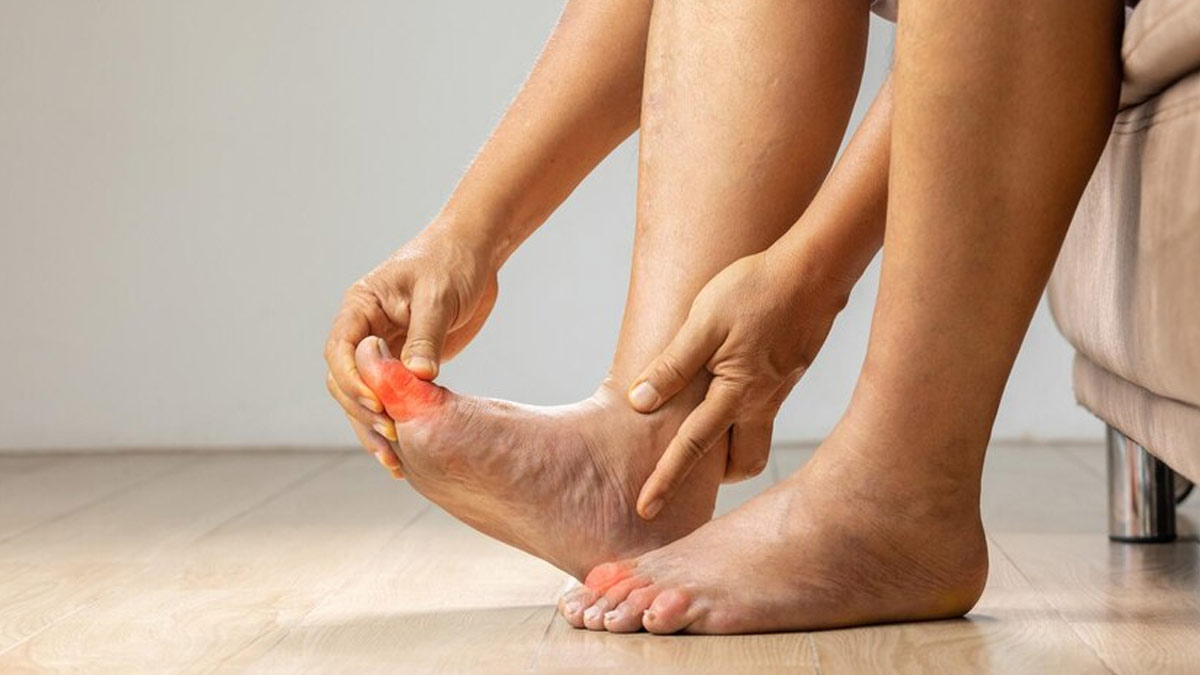
A bad smell alone does not necessarily mean there is an infection, as foot odour can result from sweat and bacteria, according to Dr Vishnani. However, pus or persistent discharge from a crack, blister or wound should not be ignored.
5. New Pain or Tenderness
If the pain is accompanied by progressive redness, heat and swelling, it could be a bacterial infection and should be seen by a doctor, says Dr Vishnani.
According to a StatPearls reference, if untreated, the foot can turn into something more serious. It can lead to cellulitis, a deeper skin infection. It can also cause pyoderma, a bacterial skin infection with pus. In rare cases, it can even reach the bone, called osteomyelitis.
This risk is higher for people with diabetes, weak immunity, or poor blood flow to the feet.
How Can You Prevent Infection After Walking in Rain?
Dr Vishnani advises the following precautions to take during the monsoon season:
- Do not walk through low-water, standing or possibly contaminated water where possible.
- When you are exposed to dirty rainwater, wash your feet with clean water and dry thoroughly, particularly between the toes.
- Change out of wet socks and shoes as soon as possible
- Leave shoes to air out before re-wearing.
- Use breathable shoes or shoes that dry out quickly in the monsoon season.
- Trim and clean up the nails on the toes.
- Don't share towels, shoes or socks.
For people who tend to get the condition again, a suitable anti-fungal agent can prevent the condition from returning.
Who Should Be Extra Cautious?
Not everyone faces the same level of risk. Dr Vishnani specifically flags people with diabetes, poor circulation or a weakened immune system as needing prompt medical attention if symptoms appear, since infections can progress more seriously in these groups. This lines up with the StatPearls findings above, which identify diabetes and immunocompromised status as key risk factors for infection complications.
When Should You See a Doctor?

Dr Vishnani outlines clear situations that call for prompt medical attention:
- Redness, warmth or swelling is spreading
- There is pus or significant discharge
- Pain is increasing or affecting your ability to walk
- You develop fever or feel unwell
- The foot becomes increasingly hot, swollen and painful
- You have diabetes, poor circulation or a weakened immune system
Symptoms are not improving despite appropriate foot care or an over-the-counter antifungal treatment
What Are the Treatment Options For Feet Infection?
Treatment depends on whether the problem is fungal, bacterial or simply irritation from prolonged moisture, according to Dr Vishnani.
For athlete's foot, antifungal creams, sprays or powders may be used, depending on the extent and location of the infection. For bacterial infections, antibiotics may be required, but these should be prescribed after clinical assessment rather than used routinely.
The most important supportive measure in either situation is to keep the feet clean and dry and address any cracks, wounds or blisters appropriately, Dr Vishnani explains. If there is rapidly spreading redness, marked swelling or pain, pus, fever, or difficulty walking, medical assessment should not be delayed.
ALSO READ- Why Does Eye Flu Spike Every Monsoon? An Eye Specialist Explains What's Behind It
Conclusion
Rainwater itself isn't the enemy, but the prolonged moisture, contamination, and damp footwear that come with it can quietly set the stage for infection. Watching for early signs like itching, peeling, redness, or unusual discharge, and acting on them promptly, makes the difference between a minor irritation and a more serious infection needing medical treatment.
FAQ
1. Can wearing socks made of a specific material reduce the risk of fungal foot infections during monsoon?
Yes, breathable, moisture-wicking fabrics do mean a drier, more comfortable foot than synthetic, non-breathable fabrics.2. Is it necessary to treat mild peeling between the toes even if it isn't itchy or painful?
Even though it is not necessarily distressing, it is a good idea to take care of it early on as it can be the beginning of a fungal infection that may spread if left to continue being moist.
All possible measures have been taken to ensure accuracy, reliability, timeliness and authenticity of the information; however Onlymyhealth.com does not take any liability for the same. Using any information provided by the website is solely at the viewers’ discretion. In case of any medical exigencies/ persistent health issues, we advise you to seek a qualified medical practitioner before putting to use any advice/tips given by our team or any third party in form of answers/comments on the above mentioned website.
How we keep this article up to date:
We work with experts and keep a close eye on the latest in health and wellness. Whenever there is a new research or helpful information, we update our articles with accurate and useful advice.
-
Current Version
Aug 14, 2026 16:22 IST
Published By : Vivek Kumar
Reviewed By : Dr Sandeep Doshi