Go into any pharmacy this summer, and you'll find “tan removal soaps” that claim to leave you with even-toned, brighter skin in weeks. Anyone who steps inside any pharmacy this summer will see “tan removal soaps” promising even-toned, brighter skin in as few as a few weeks. A very attractive statement with the sort of sun that a lot of us experience in summer in India. But are these soaps effective, or is it just the hype?
According to Dr Sandeep Mahapatra, Director and Senior Consultant Dermatologist at Neo Follicle Hair Transplant and Dermasolutions, Bengaluru, "Tan removal soaps aren't a myth, but they're not magic either." They can genuinely help fade a mild tan, but how well they work depends on the ingredients, how they're used, and your skin type.
What Exactly Are Tan Removal Soaps?
Tan removal soaps are different from ordinary bath powders, as they are designed to do more than simply clean. They are designed to cleanse the skin daily and also to help neutralise pigmentation, which has resulted from sun damage.
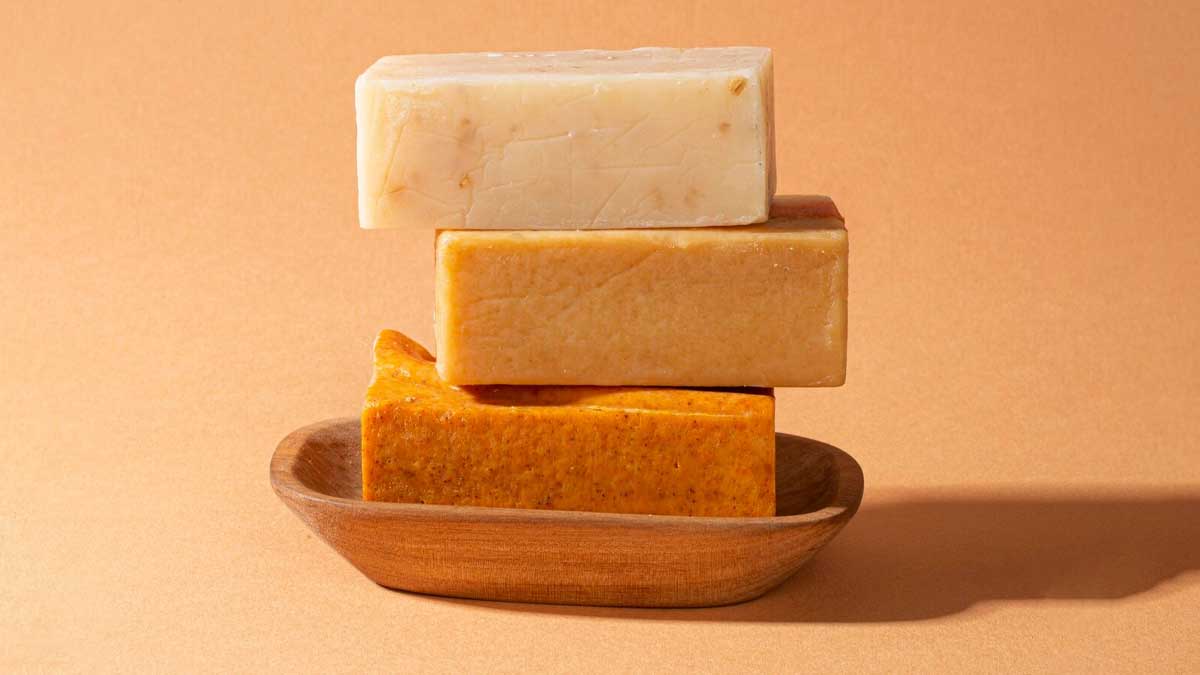
Dr Mahapatra explains that most of these soaps rely on a familiar set of actives:
- Kojic acid, which helps reduce the appearance of pigmentation
- Vitamin C, an antioxidant that also offers mild brightening
- Alpha arbutin and niacinamide, both known to support an even skin tone
- Liquorice extract, valued for its soothing, brightening effect
- Natural exfoliants like coffee grounds, oatmeal or fruit enzymes
ALSO READ- Can I Use Soap Instead of Shampoo For Hair? A Dermatologist Explains the Risks
How Do These Soaps Actually Work on Tanned Skin?
There are two things happening when you use a tan removal soap, says Dr Mahapatra. "Most work in two ways: gentle exfoliation that lifts off dead, pigmented surface cells, and active ingredients that slow down melanin production." The exfoliation clears away the tanned outer layer faster than it would shed naturally, while the actives interrupt the process that darkens skin in the first place.
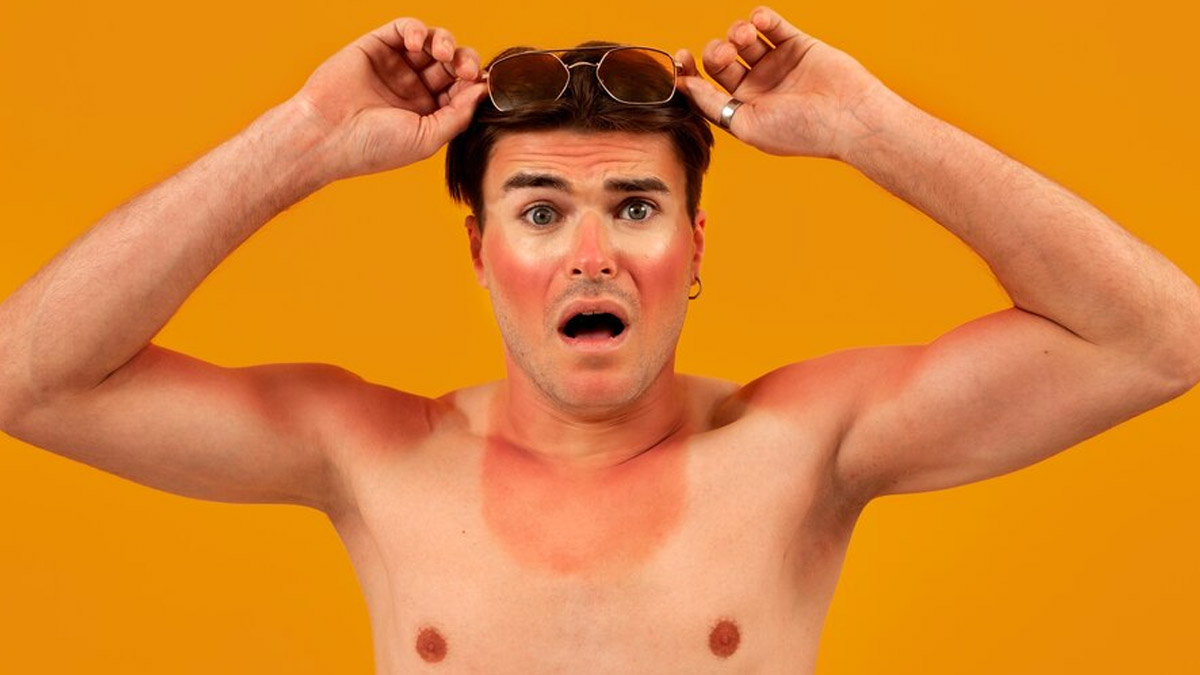
Used regularly, this combination can visibly lighten a mild to moderate tan over a few weeks. That said, don't expect it to erase deep pigmentation overnight. It's a gradual process, not an overnight fix.
According to the International Journal of Research Publication and Reviews, researchers developed a herbal de-tanning soap. It used ingredients like papaya extract, turmeric, sandalwood, liquorice, and aloe vera. Volunteers using the soap twice daily for four weeks reported a noticeable reduction in skin tanning, along with improved brightness and softer skin, with no adverse reactions observed. An improved version of the formula, with more papaya extract and aloe vera, showed even better tanning reduction and hydration.
Tan Removal Soap vs Regular Soap: What's the Difference?
The core difference comes down to purpose. Regular soap is there to clean, nothing more. Tan removal soaps add brightening and exfoliating actives on top of that basic cleansing job.
But there's a catch worth knowing. As Dr Mahapatra points out, "a soap sits on the skin for only a few seconds during a wash, so the concentration and contact time of these actives is much lower than in a serum or cream." That's exactly why these soaps tend to work more slowly and gently than a targeted tan removal cream or serum would.
Is It Safe to Use Tan Removal Soap Daily?
For most healthy, normal skins, these use rates are reasonably safe, being one to two to three times a week. However, a label that states it is ‘natural' or ‘dermatologically tested' doesn't always indicate that it works for all skin types.
His emphasis is that ingredients such as kojic acid and mild exfoliating acids "can be drying or mildly irritating when used over time, particularly during the summer in hot, humid weather, when the skin is already stressed by the sun.”
Who Should Be Cautious Before Using These Soaps?
A few groups need to think twice before adding this to their routine, according to Dr Mahapatra:
- Those with sensitive skin, eczema, psoriasis or rosacea may find that active ingredients can trigger flare-ups
- Anyone with broken skin, active acne or open wounds. Exfoliants and acids may sting and slow healing
- Pregnant or breastfeeding women. Some brightening actives aren't well studied in pregnancy
- Children, whose skin barrier is thinner and more reactive
- Anyone expecting quick, dramatic results. These soaps won't treat deeper conditions like melasma
He recommends a simple patch test on the inner arm, left on for 24 hours, before starting regular use, particularly if you already know your skin reacts easily.
ALSO READ- Are You Showering Wrong? Expert Shares One Common Mistake People Make
Conclusion
Tan removal soaps can be a useful, low-effort part of a skincare routine, but they work best as a supporting step, not a standalone cure. Sunscreen, Dr Mahapatra stresses, "is what actually prevents the tan from coming back" No soap can replace that. And if pigmentation looks unusual, patchy, or simply won't fade, it's worth getting it looked at by a dermatologist rather than relying on soap alone.
FAQ
1. Can tan removal soap completely remove a deep or old tan?
Not entirely. These soaps are better suited to mild or moderate tanning. For deep or long-standing pigmentation, Dr Mahapatra recommends targeted dermatological treatment rather than soap alone.2. How long does it take to see results from a tan removal soap?
Most people start noticing a difference within two to three weeks, with more visible results by six to eight weeks — though this varies with skin type and how deep the tan is.
All possible measures have been taken to ensure accuracy, reliability, timeliness and authenticity of the information; however Onlymyhealth.com does not take any liability for the same. Using any information provided by the website is solely at the viewers’ discretion. In case of any medical exigencies/ persistent health issues, we advise you to seek a qualified medical practitioner before putting to use any advice/tips given by our team or any third party in form of answers/comments on the above mentioned website.

How we keep this article up to date:
We work with experts and keep a close eye on the latest in health and wellness. Whenever there is a new research or helpful information, we update our articles with accurate and useful advice.
-
Current Version
Jul 30, 2026 10:18 IST
Published By : Vivek Kumar
Reviewed By : Dr Sandeep Mahapatra