
If you've ever paused mid-romance wondering whether your partner's breakout could somehow become your problem too, you're definitely not alone. It's one of those things that people solicit from the internet but not out loud. Almost everyone suffers from acne, so it is only natural that it is a subject that will come up in relationships.
Thankfully, there's a clear and scientifically sound answer here, and it's a comforting one. So we contacted the dermatologist to get it straightened out once and for all.
Can You Actually Catch Acne or Pimples From Kissing?
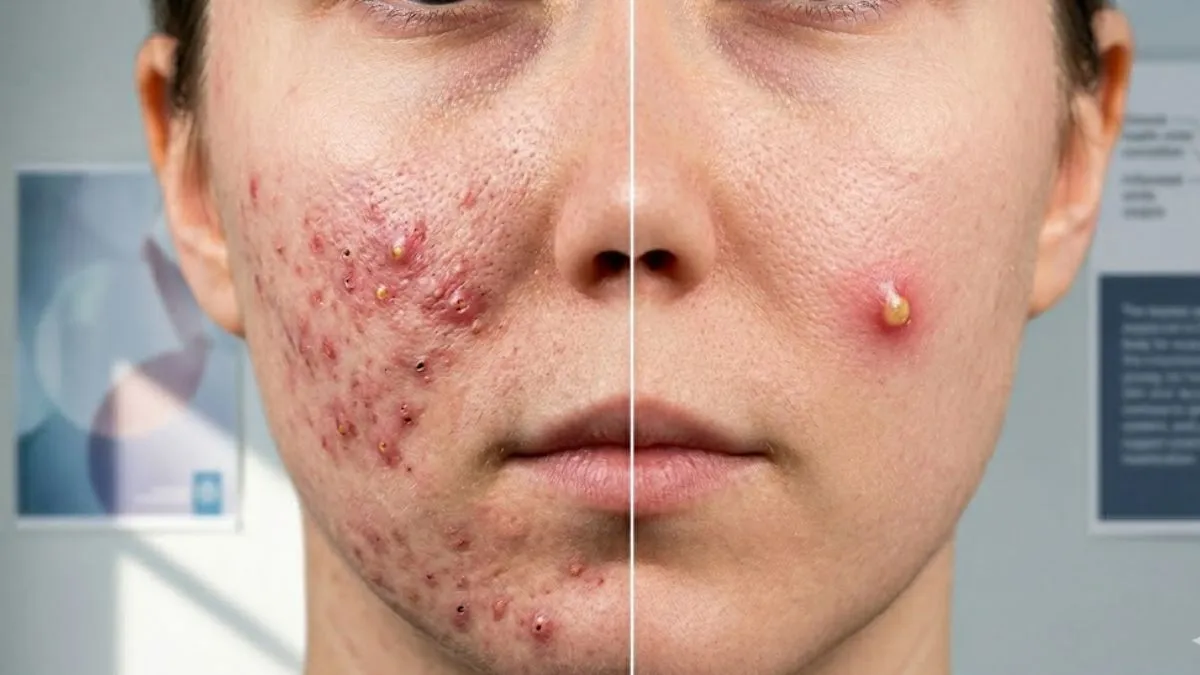
Short answer: no, you can't. Dr Karuna Malhotra, Founder and Cosmetologist at Cosmetic Skin Clinic, Rajouri Garden, New Delhi, puts it simply: "Acne isn't an infection, so there's nothing to pass on. It happens because of clogged pores, excess oil, and hormonal changes within a person's own skin, not because of contact with someone else."
She provides more clarity on this: “Kissing won't cause new acne spots to appear, but rubbing a pimple will make it become tender or red temporarily.” So your partner's acne is not caused by what you're wearing; it is only caused by what they are wearing.
According to the American Academy of Dermatology, acne isn't just a skin issue as it can take a real toll on emotional well-being too. Teenage girls especially report feeling unattractive because of breakouts. The good news is that early treatment can prevent both lasting scars and this kind of emotional distress, making it worth addressing acne sooner rather than later.
ALSO READ- Acne Marks vs Acne Scars: How to Spot the Differences and Treat Them
Then Why Do I Sometimes Break Out After Kissing Someone?
This is where it gets interesting. Many people see new acne after their kiss, and Dr Malhotra says that it's likely there is a straightforward reason. “It is not so much the acne spreading as it is more about the rubbing of the stubble, remnants of lip balm, or oils from another person's skin with yours that irritates this area," she explains. There's even a name for it, acne mechanica, acne caused by pressure or rubbing instead of by the transfer of bacteria from person to person.
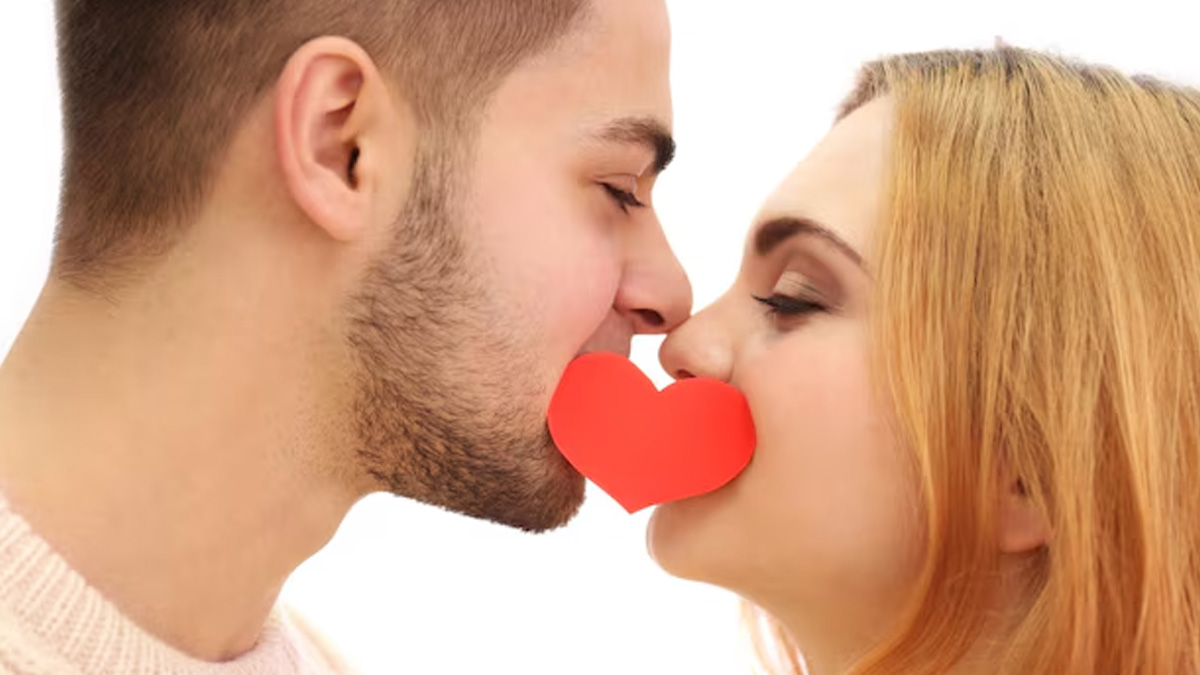
A few common culprits worth knowing:
- Stubble or facial hair rubbing against sensitive skin
- Lip balm, gloss, or other products causing irritation
- Oils or residue from someone's hands touching your face
What About Other Skin Issues To Be Mindful Of?
Although Acne will not spread, Dr Malhotra warns that there are a few other things that can. “It's crucial to differentiate the acne from a cold sore; one is not contagious to others, while the other is a true virus. She continues, "Cold sores are caused by the herpes simplex virus (HSV-1), and look like a pimple during the initial stages but are contagious and can be passed on through kissing. That's why it's all the more important to look out for the early signs: a tingle, then small, painful, fluid-filled blisters.
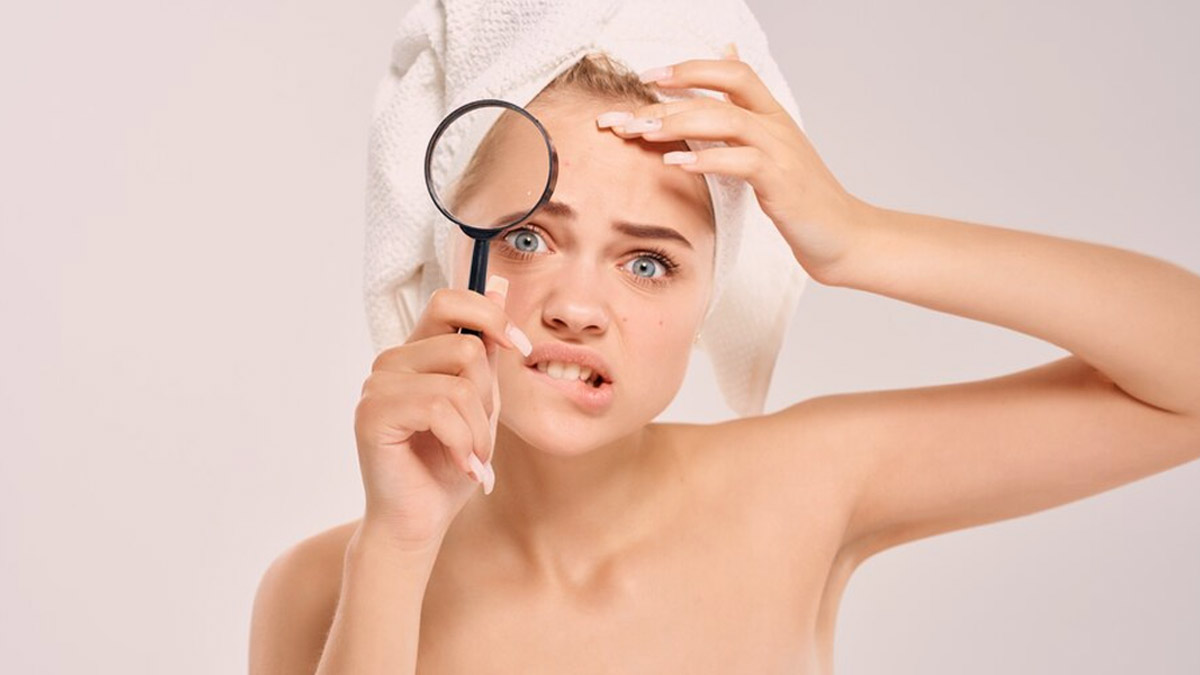
She also has a practical tip for people who have active, irritated acne: "Don't kiss directly over fresh, painful, bleeding pimples until they have healed. This is not a question of spreading the acne, but just a question of allowing broken or sensitive skin to heal with no extra friction or irritation.
ALSO READ- Is Raw Turmeric Good for Skin? Dermatologists Explain Its Benefits, Uses, and Side Effects
How To Keep Your Skin Happy
Dr Malhotra's advice is refreshingly simple: "Good hygiene matters more than worrying about contagion. Keep the skin around your mouth clean, avoid picking at pimples, and don't share lip products." She also recommends a quick cleanse after close contact if you're acne-prone, just to clear away any oil or product residue that might irritate your skin. And if something looks unusual, painful, or blister-like rather than your typical breakout, it's worth getting it checked rather than assuming it's just acne.
FAQ
1. Can I catch acne by kissing someone who has it?
No. Acne develops from factors within a person's own skin, like oil production and clogged pores, not from contact with another person.2. How can I tell a pimple apart from a cold sore?
A pimple is usually a solid, raised bump, while a cold sore starts with tingling and develops into small, painful, fluid-filled blisters. Cold sores are contagious and can spread through kissing, unlike acne.
All possible measures have been taken to ensure accuracy, reliability, timeliness and authenticity of the information; however Onlymyhealth.com does not take any liability for the same. Using any information provided by the website is solely at the viewers’ discretion. In case of any medical exigencies/ persistent health issues, we advise you to seek a qualified medical practitioner before putting to use any advice/tips given by our team or any third party in form of answers/comments on the above mentioned website.
How we keep this article up to date:
We work with experts and keep a close eye on the latest in health and wellness. Whenever there is a new research or helpful information, we update our articles with accurate and useful advice.
-
Current Version
Jun 30, 2026 19:00 IST
Modified By : Vivek Kumar Jun 30, 2026 19:00 IST
Modified By : Vivek KumarJun 30, 2026 19:00 IST
Published By : Vivek Kumar
Reviewed By : Dr Karuna Malhotra