
Many people with pimples skip sunscreen. They fear it will feel greasy. They worry it will clog their pores. So, is it safe to apply sunscreen on acne-prone skin daily? Yes, it is. A dermatologist says daily sunscreen is a must, not a risk, if you pick the right one.
The real question is not whether to use it. It is which one suits your skin. Skip it, and the dark marks left by pimples can last much longer. Here is what an expert has to say.
Is It Safe to Apply Sunscreen on Acne-Prone Skin Daily?
Dr Karuna Malhotra, Cosmetologist, Skin Specialist and Founder, Advanced Skin Clinic, New Delhi says, “Yes. People with acne-prone skin can and should use sunscreen daily. Acne is not a reason to avoid sun protection.”
She gives two reasons:
- Ultraviolet (UV) rays can worsen dark spots left after acne.
- Some acne treatments make skin more sensitive to sunlight.

Doctors call these dark marks post-inflammatory hyperpigmentation, or PIH. It simply means skin darkens after a pimple heals. It is more common and lasts longer in darker skin tones.
Research backs daily sun protection. A review in the Journal of Cosmetic Dermatology looked at studies up to November 2022. The authors said, “The exposome and solar radiation can trigger or worsen acne.” The exposome means everything in your environment that affects your skin, including sunlight.
Can Sunscreen Clog Pores or Cause Acne Breakouts?
Dr Malhotra says, “Some formulations may feel heavy or trigger breakouts in certain individuals, but this does not mean all sunscreens cause acne.”
What matters is:
- The ingredients and texture
- Your other skincare products
- Your own skin sensitivity
If one product keeps worsening your acne, stop using it. Try a different one. Do not give up on sunscreen.
Best Sunscreen for Acne-Prone Skin: What to Look For
She advises a broad-spectrum sunscreen with SPF 30 or higher. Broad-spectrum means it blocks both UVA and UVB rays. Look for these labels:
- Non-comedogenic: less likely to clog pores
- Oil-free: lighter on oily skin
- Gel, water-based or fluid texture: often suits very oily skin
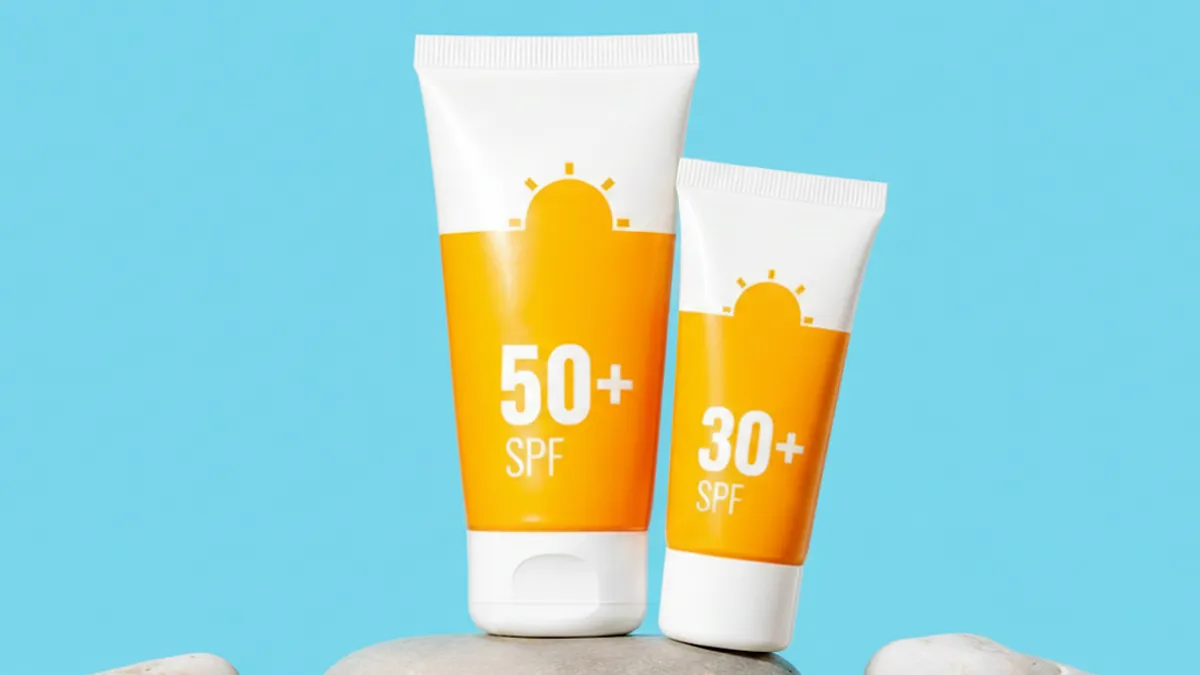
Mineral or chemical? Dr Malhotra says both can work. Mineral sunscreens with zinc oxide or titanium dioxide may suit sensitive skin. But “the overall formulation matters more” than the type.
Tinted Sunscreen for Acne Marks and Dark Skin Tones
Some people dislike the white cast that sunscreen leaves. Dr Malhotra suggests a tinted sunscreen. Some contain iron oxides. These add protection against visible light, which can worsen pigmentation.
A 2025 trial in the Journal of Cosmetic Dermatology tested this. It followed people with melasma, another pigment problem, for five months. Those using a tinted, visible-light-protective sunscreen had significantly smaller changes in skin pigmentation than those using an untinted one. The study was on melasma, not acne. But it shows why tint may help with stubborn dark marks.
Should You Use Sunscreen on Active Pimples?
“No. Having active acne does not mean you should stop protecting your skin,” says Dr Malhotra. She adds that picking or squeezing pimples raises the risk of scarring and pigmentation. Sunscreen will not treat acne. But it can limit extra UV-related darkening while the skin heals.
How to Apply Sunscreen on Acne-Prone Skin

- Apply it as the last step of your morning routine. Put it after moisturiser and before makeup.
- Cover your face, ears and neck.
- Apply gently. Do not rub hard on active pimples.
- Reapply about every two hours outdoors, and after swimming or sweating.
- Wash it off at night with a gentle cleanser. Do not scrub.
Common Sunscreen Mistakes People With Acne Make
- Skipping sunscreen because they fear breakouts
- Picking a product by SPF number alone
- Using too little, or forgetting ears and neck
- Sticking with a heavy product despite repeated breakouts
- Scrubbing the face to remove sunscreen
- Forgetting to reapply outdoors
When to See a Dermatologist for Acne and Sunscreen Problems
- Breakouts are severe or will not go away.
- Sunscreen repeatedly burns or causes a rash.
- Acne leaves scars or stubborn dark marks.
- A dermatologist can tell acne from irritation or allergy, and plan treatment alongside a suitable sunscreen.
ALSO READ- Can Washing Your Face With Hot Water Cause Early Ageing? Dermatologist Weighs In
Conclusion
Daily sunscreen is safe and helpful for acne-prone skin. Choose broad-spectrum SPF 30 or higher, labelled non-comedogenic. Apply it gently. Remove it well at night. If one product breaks you out, change the product, not the habit.
FAQ
1. Do You Need Sunscreen on Cloudy Days or Indoors With Acne-Prone Skin?
Yes, in most cases. UV rays can pass through clouds. If you sit near a window for long hours, some UV rays can reach you indoors too. Daily use keeps things simple.2. How Do You Patch Test a New Sunscreen for Acne-Prone Skin?
Apply a small amount on your jawline or behind your ear for a few days. Watch for redness, burning or new bumps. If your skin reacts, do not use the product on your face.
All possible measures have been taken to ensure accuracy, reliability, timeliness and authenticity of the information; however Onlymyhealth.com does not take any liability for the same. Using any information provided by the website is solely at the viewers’ discretion. In case of any medical exigencies/ persistent health issues, we advise you to seek a qualified medical practitioner before putting to use any advice/tips given by our team or any third party in form of answers/comments on the above mentioned website.
How we keep this article up to date:
We work with experts and keep a close eye on the latest in health and wellness. Whenever there is a new research or helpful information, we update our articles with accurate and useful advice.
-
Current Version
Oct 19, 2026 10:34 IST
Published By : Vivek Kumar
Reviewed By : Dr Karuna Malhotra