If you are a minimalist when it comes to skincare and makeup, there is one single product every dermatologist and skin expert will insist you use - a good sunscreen with the required SPF. Whether it is a bright summer afternoon or a calm, cloudy day, sunscreen is a must for everyone. It protects the skin from the harmful UV rays of the sun that damage your skin, causing sunburn, pigmentation, and premature ageing.
But when we talk about a good sunscreen, what does that actually mean? Advertisements often promote a range of SPF from 20 to 70, with SPF 30 and 50 being the most popular choices. However, this overabundance of options can often leave us confused. More importantly, it raises the question of which SPF rating is truly better for Indian skin? To answer this, the Onlymyhealth editorial team spoke to Dr Veena Praveen, Head Medical Advisor (South) and Consultant Dermatologist at Kaya Limited, Bengaluru. Continue reading to know what she shared with us.
Understanding SPF: What Do SPF 30 and SPF 50 Mean?
From beach holidays to coffee breaks near a window, sunscreen should be a daily skincare staple, something you simply cannot do without. But many of us wonder which level of protection is right for us. To understand this, we first need to look at what SPF actually refer to.
SPF stands for Sun Protection Factor, and its rating indicates how well the sunscreen can block harmful UVB rays, which are responsible for causing sunburn and increasing the risk of long-term skin issues.
 3 (80)
According to Dr Praveen, "The SPF factor shows how much longer the skin can stay in the sun without getting sunburnt compared to unprotected skin."
As noted by the Cleveland Clinic, the lower the SPF, the less protection you have. For example, SPF 15 offers more protection than SPF 8. SPF 30 provides 30 times more protection than if you weren’t wearing any sunscreen at all.
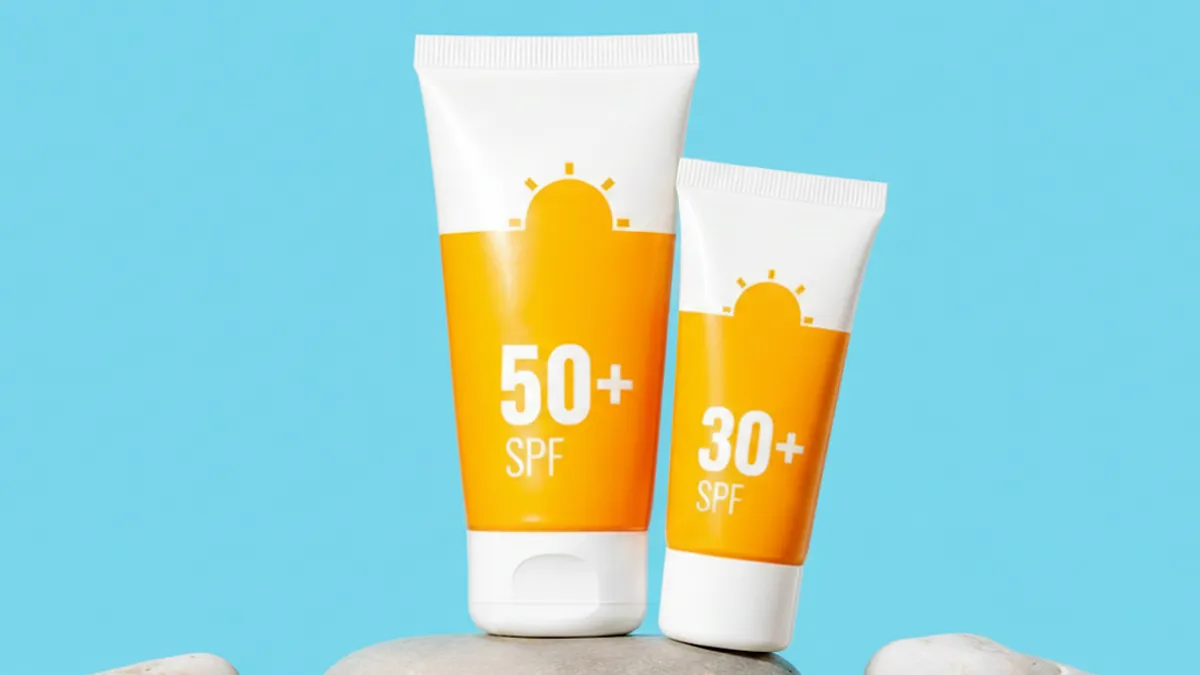
Expanding on this, Dr Praveen underlines: "SPF 30 blocks approximately 97 per cent of UVB rays. This means if your skin normally burns in ten minutes, applying SPF 30 extends that period to about 300 minutes. In contrast, SPF 50 blocks 98 per cent of UVB rays, extending protection to roughly 500 minutes."
She also emphasises that while SPF 50 provides protection for slightly longer, what matters more than chasing high SPF numbers is the correct and regular reapplication of the product.
ALSO READ- Why Your Skin Needs Sunscreen In Winter Too
SPF 30 or SPF 50: Which One Should You Use?
According to Dr Praveen, for daily activities such as commuting, office hours, or short periods of outdoor exposure, SPF 30 is generally sufficient when applied properly. It provides reliable protection specifically suited for Indian skin types in moderate conditions.
However, she also highlights that SPF 50 works better for extended sun exposure. Activities like beach vacations, outdoor sports, trekking, or working outside for several hours require the extra layer of protection that SPF 50 provides. Dermatologists often recommend SPF 50 for individuals with photosensitive skin conditions or a history of frequent sunburn.
 2 - 2026-02-05T141722.690
How Does Sunscreen Work?
A common misconception is that a higher SPF provides all-day protection. Dr Praveen explains that reapplication is far more vital than the specific SPF number. How you use the product determines its success. She further notes:
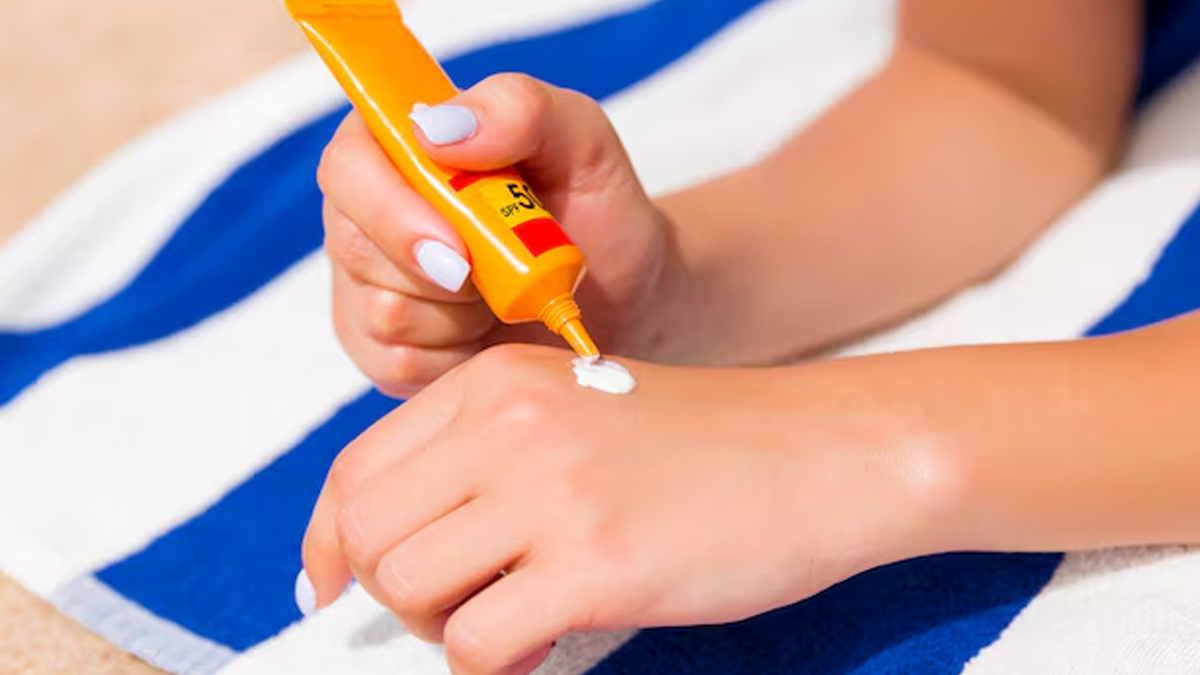
- Both SPF 30 and SPF 50 must be applied evenly and reapplied every two hours when you are outdoors.
- Sweating, swimming, or wiping your face with a towel reduces the effectiveness of your sunscreen, regardless of the SPF rating.
- SPF 30 works well for Indian skin while indoors, but it is best to choose a broad-spectrum sunscreen if you are sitting near windows or spending long hours in front of digital screens.
ALSO READ- Dermatologist-Approved Anti-Ageing Treatments for Men: What Works & What Doesn’t
Which One Suits You Best?
Both varieties of sunscreen are effective for Indian skin; your choice should depend on your specific skin type and, most importantly, your lifestyle.
"If you are someone who stays indoors for most of the day, SPF 30 could be your best bet. On the other hand, SPF 50 is best used when you are out on the beach or holidaying with family and friends," Dr Praveen highlights.
Bottomline
The endless stream of advertisements on social media and TV can make choosing a sunscreen feel overwhelming. However, as Dr Praveen advises, the most important rule is to reapply your sunscreen, be it SPF 30 or SPF 50, every few hours to keep your skin safe. Even if you spend the majority of your time indoors, you still need protection, as UV rays can penetrate windows and reach your skin throughout the day.
FAQ
Is SPF 50 really better than SPF 30?
SPF 50 offers slightly more protection, blocking 98% of UVB rays compared to 97% for SPF 30. While it gives you a bit more time in the sun, the difference is small, and regular reapplication is far more important than the number.Which SPF is best for Indian skin?
SPF 30 is generally sufficient for daily Indian lifestyle needs like commuting or office work. However, if you are spending long hours outdoors or on holiday, SPF 50 is recommended to better handle intense sun exposure.Is SPF 50 safe for daily use?
Yes, it is perfectly safe for daily use. If your lifestyle involves a lot of outdoor movement or sitting near bright windows, using SPF 50 daily can provide that extra layer of security for your skin. However, if you have any specific skin condition, you should consult with a dermatologist first.Is SPF 50 heavier or more irritating on the skin?
Higher SPF formulas can sometimes feel thicker or greasier because they contain more active filters. If you have sensitive or oily skin, look for matte-finish or non-comedogenic versions to avoid irritation or breakouts.
All possible measures have been taken to ensure accuracy, reliability, timeliness and authenticity of the information; however Onlymyhealth.com does not take any liability for the same. Using any information provided by the website is solely at the viewers’ discretion. In case of any medical exigencies/ persistent health issues, we advise you to seek a qualified medical practitioner before putting to use any advice/tips given by our team or any third party in form of answers/comments on the above mentioned website.
How we keep this article up to date:
We work with experts and keep a close eye on the latest in health and wellness. Whenever there is a new research or helpful information, we update our articles with accurate and useful advice.
-
Current Version
Feb 06, 2026 16:52 IST
Modified By : Sameeksha Sharma Feb 06, 2026 16:52 IST
Modified By : Sameeksha SharmaFeb 06, 2026 16:52 IST
Published By : Sameeksha Sharma
Reviewed By : Dr Veena Praveen