-1787663111840_m.webp)
Walk down any health food aisle, and you'll spot hemp seeds and flax seeds sitting side by side. Both are marketed as healthy food superstars. However, they are not mutually replaceable and if you don't select the right one for the job, you will miss the benefits of each one.
The simple answer is that hemp seeds are good for protein, flax seeds are good for omega 3's and fibre and yes, you can have both. The two are different in the following ways, and here is what Veena V, Head of the Department of Clinical Nutrition and Dietetics, Aster Whitefield Hospital, Bangalore, had to say on using them properly in your diet.
Hemp vs Flax Seeds: Nutritional Comparison at a Glance
Factor |
Hemp Seeds |
Flax Seeds |
Protein |
~9-10g per 3 tbsp, complete protein |
~2g per tbsp, lower protein |
Omega-3 (ALA) |
Present, but lower relative to omega-6 |
Exceptionally high, among the richest plant sources |
Omega-6:Omega-3 ratio |
~3:1, favouring omega-6 |
Skews heavily toward omega-3 |
Fibre |
Some, but comparatively low |
Considerably higher, both soluble and insoluble |
Lignans |
Minimal |
One of the richest dietary sources |
Key minerals |
Magnesium, iron, zinc, phosphorus |
Lower mineral density by comparison |
Preparation |
Soft, can be eaten whole |
Needs grinding for nutrients to be absorbed |
What Is The Difference Between Hemp and Flax Seeds
Veena V, explains the fundamental split between the two.
Both are nutritional powerhouses but in their own ways:
- Hemp seeds have more protein, and they're one of the very few seed sources that contain all nine essential amino acids, which makes it a complete protein.
- Flaxseeds are more noted for their super high omega-3 fatty acid content and fibre.
-1752044655779.png)
The omega-6 to omega-3 ratio is worth pausing on. Most modern diets already lean heavily toward omega-6, so flax's omega-3 dominance can help rebalance that, something hemp, despite its own omega-3 content, doesn't do as effectively.
There's solid research behind both sides of this comparison. A 2023 analysis published in the journal OCL assessed hemp seed protein quality using standardised protein efficiency ratio (PER) methods, and found hemp protein values exceeded the accepted quality standard, placing it in a similar range to milk, egg, and soy protein.
On the flax side, a review published in Nutrients highlighted a 12-week supplementation trial in which flaxseed reduced total cholesterol by an average of 36.9 mg/dL and LDL cholesterol by 21 mg/dL, while also raising HDL cholesterol.
Together, these findings back up exactly what Veena V describes: hemp earning its reputation on protein, flax on heart-related benefits.
ALSO READ- Can Consuming Flaxseeds Balance Oestrogen Levels? Dietitian Weighs In
Can Hemp and Flax Seeds Be Taken Together?
Yes, it works, Veena V says, and it's a real match. A diet rich in both hemp and flax can provide a more balanced nutrient profile than a diet composed of either nutrient alone as hemp also provides a complete protein profile and a good mineral profile, and flax provides a concentrated amount of omega 3s, fibre and lignans.
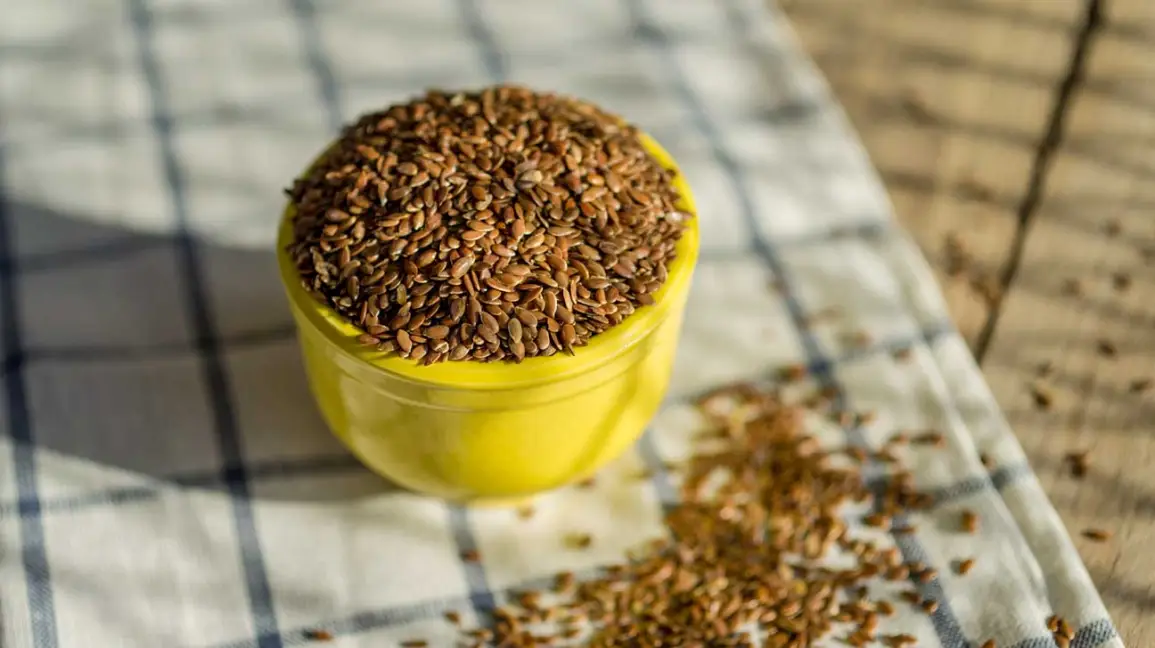
Here are some easy tips on how to mix them together:
- Mix both into the morning smoothie
- Sprinkle on top of oats or porridge
- Add to yoghurt or a chia pudding
- Serve on your own homemade granola or energy bite
Precautions to Keep in Mind
A few practical points are worth following, according to Veena V:
- When eating, grind flaxseeds first, as the whole seeds are largely not absorbed by the body.
- Add both little by little, as too much fibre from flaxseed can lead to bloating or indigestion.
It is important to take caution with high consumption of flaxseed for individuals on any blood-thinning medications, as it can affect the blood-clotting and bleeding pathways and should be discussed with the healthcare provider before consumption.

- For pregnant women, flaxseed consumption is recommended to be limited in particular because of its lignan content, and they have to seek expert guidance from their physician.
- People with thyroid problems should speak with their physician about their flaxseed consumption, as in certain individuals excessive consumption of flaxseed can result in an interaction with thyroid hormone absorption.
Limit to small amounts of both, about 1-2 tablespoons per day would be okay for most healthy adults.
ALSO READ- Eating Packaged Food Every Day? Here's What It Could Do to Your Kidneys
Conclusion
Hemp and flax seeds are not competitors; they're specialists. Hemp provides your protein and mineral base, whereas flax provides your omega-3s, fibre and lignans. Combined in sensible and moderate quantities, they are able to fill in more nutritional gaps than either seed can fill with any one of them.
FAQ
1. Do hemp and flax seeds taste different enough to affect how you'd use them in cooking?
Yes. The flavour and texture of hemp seeds are so mild and nutty that they can be easily added to most foods2. Can children eat hemp and flax seeds regularly?
Both can typically be added in small quantities as part of a child's diet as part of a varied diet, but in lower quantities than what would be added to an adult's diet.
All possible measures have been taken to ensure accuracy, reliability, timeliness and authenticity of the information; however Onlymyhealth.com does not take any liability for the same. Using any information provided by the website is solely at the viewers’ discretion. In case of any medical exigencies/ persistent health issues, we advise you to seek a qualified medical practitioner before putting to use any advice/tips given by our team or any third party in form of answers/comments on the above mentioned website.
How we keep this article up to date:
We work with experts and keep a close eye on the latest in health and wellness. Whenever there is a new research or helpful information, we update our articles with accurate and useful advice.
-
Current Version
Aug 25, 2026 16:18 IST
Modified By : Vivek Kumar Aug 25, 2026 16:18 IST
Published By : Vivek Kumar
Reviewed By : Ms Veena V