
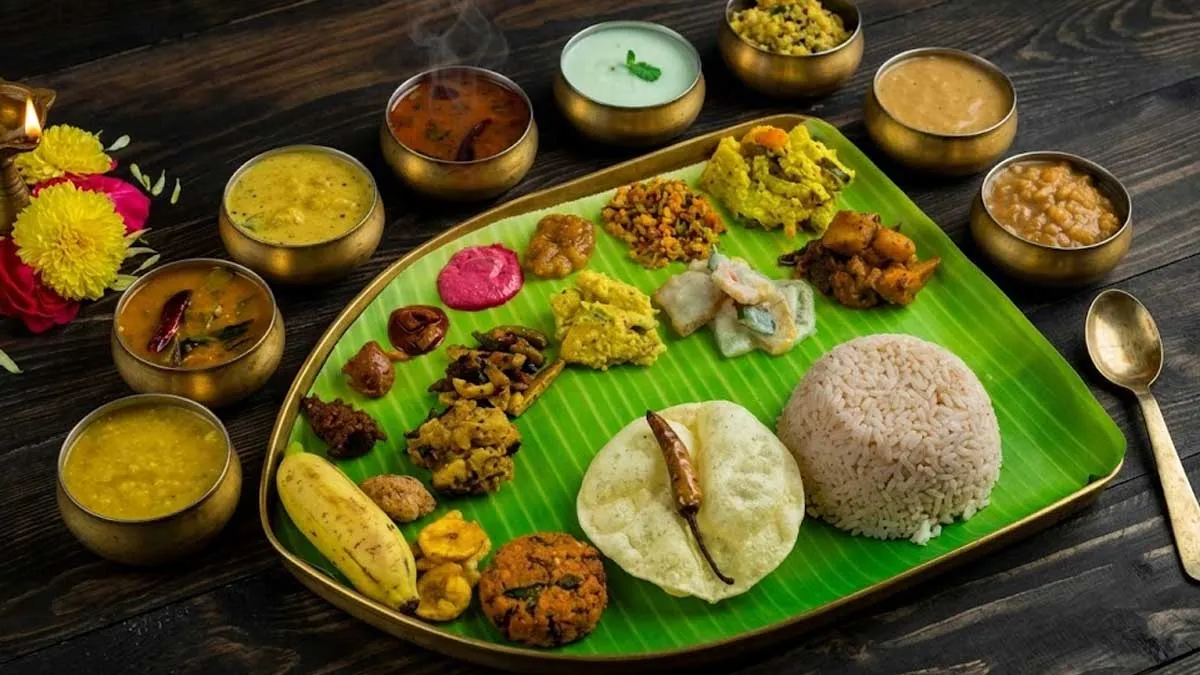
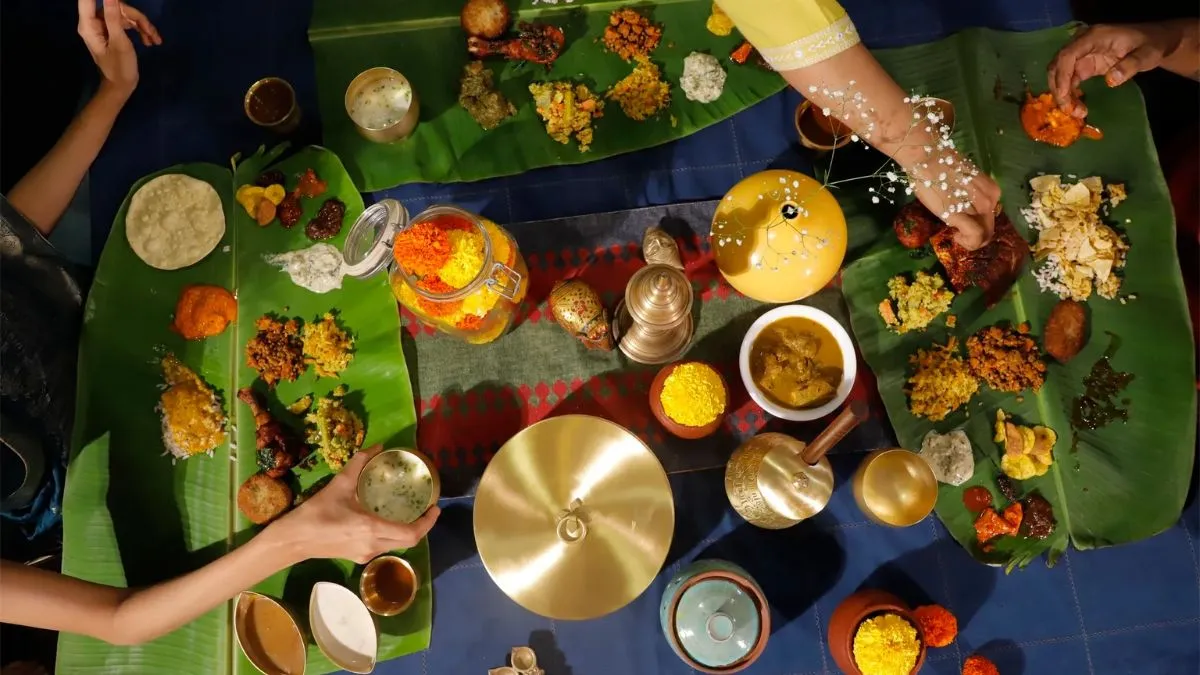
Onam Sadya is one of the year's most anticipated meals. It is a banana leaf loaded with over twenty dishes served one after another. It's also one of the easiest meals to overeat at, simply because everything arrives in waves and it feels rude to say no.
The positive side of it is that it's not impossible to enjoy Sadya with a sensible approach. Here are 7 practical tips to help you get through the feast feeling satisfied, not stuffed at this Onam 2026.
7 Healthy Tips To Enjoy Onam Sadya Without Overeating
Getting through a Sadya without overeating comes down to small, deliberate choices at each stage of the meal, not restriction before or after it. Veena V, Head of the Department of Clinical Nutrition and Dietetics, Aster Whitefield Hospital, in Bangalore, shares 7 practical tips on how you can enjoy the Onam 2026 feast without getting uncomfortable at the end.
1. Never Arrive Starving for Onam
"Avoid skipping either breakfast or lunch, as it may lead to overeating at Sadya," says Veena V. "Extreme hunger can make it harder to pace the meal. A light, protein-rich meal earlier in the day can help prevent overeating at Sadya."
 Untitled-1.jpg01
This isn't just practical advice. It is backed by how appetite actually works. According to Harvard Health's overview of mindful eating, it can take the brain around 20 minutes to register fullness after the stomach starts sending satiety signals through the vagus nerve.
Arriving at a long, multi-course meal already starving makes it far more likely you'll eat well past that 20-minute window before your brain catches up.
ALSO READ- Onam 2026: 7 Healthy Kerala Sadya Foods You Can Enjoy Guilt-Free
2. Prioritise Vegetables Before Rice
"Sadya offers several vegetable-based preparations, including thoran, avial and olan," says Veena. "Starting with these can add fibre and volume before the larger serving of rice and richer dishes."
A few reasons this works well at a Sadya specifically:
- Vegetable dishes take up stomach space earlier, before the heavier rice and curries arrive
- They add fibre, which slows digestion and supports fullness
- They're naturally lighter, so filling up on these first leaves more comfortable room for the rest of the meal
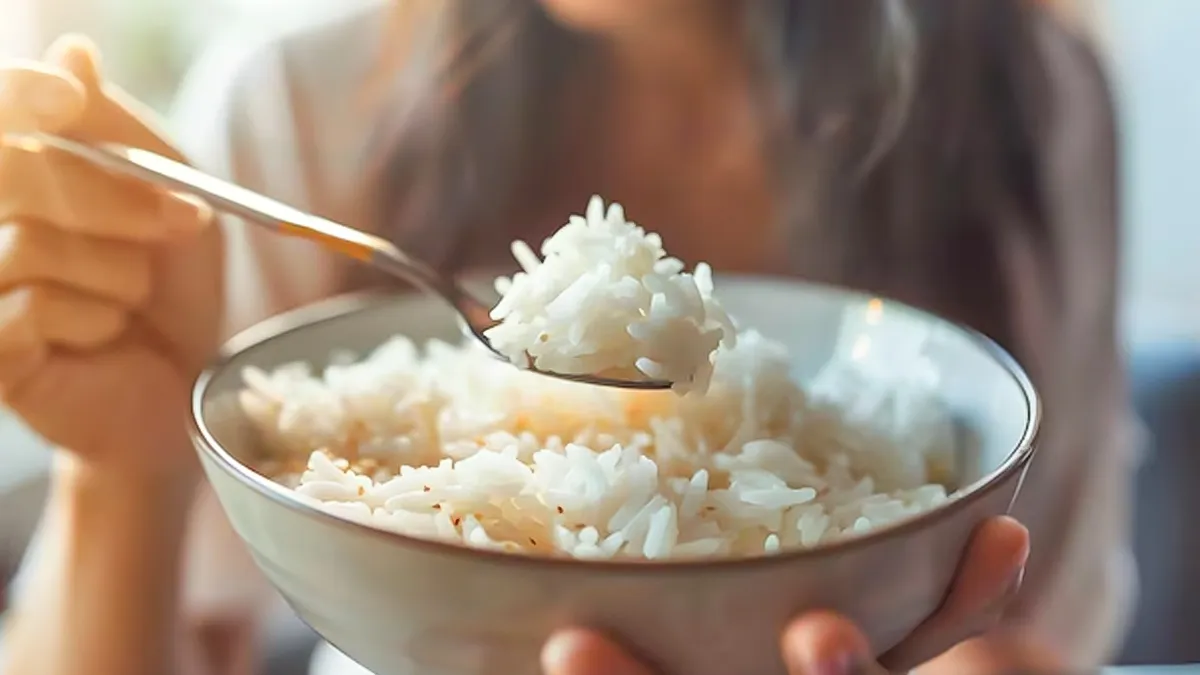
3. Control Your Rice Portions
"Sadya can include several curries, but adding large amounts of rice with every serving can quickly make the meal heavy," Veena explains. "Take a modest first serving and add more only if still hungry."
4. Savour Payasam in Moderation This Onam 2026
"Payasam is part of the Sadya experience," says Veena. "Rather than taking multiple large servings, choose a small portion of the preferred variety. This allows the traditional dessert to remain part of the meal without turning it into an extra heavy finish."
5. Limit Refills of Fried Snacks
"Banana chips, sharkara varatti and other fried accompaniments can be easy to eat mindlessly because they are served in small portions," Veena says. "A small serving is enough to enjoy the flavour without adding large amounts of extra fat and calories."
6. Slow Down Between Courses
"Sadya is served in multiple courses, which can encourage continuous eating," says Veena. "Eating slowly gives the stomach and brain more time to register fullness. There is no need to accept every refill immediately."
Nutrition science often studies this habit. A 2024 study from Wageningen University looked at eating rates across 24 different meals. The results were clear. People ate less when they slowed down. This happened regardless of the food type or texture. The effect remained the same in both lab settings and daily life.
A few practical ways to actually slow down mid Sadya:
- Put your hand down between bites instead of continuously eating
- Chat with the people around you between courses rather than eating through the conversation
- Pause and check in with yourself before accepting the next refill
7. Keep Post-Onam Meals Light
"A heavy Sadya does not need to be followed by another heavy meal," says Veena. "The next meal can be lighter and include vegetables, protein and adequate fluids. Avoid trying to compensate by starving or skipping meals."
The Secret to Enjoying Sadya Without Guilt
 onam food habits
It's tempting to think the solution to a big feast is eating less beforehand or after, but Veena's advice points to something different. The real lever is pacing during the meal itself, not restriction around it. Starting with vegetables, slowing down between courses, and being selective rather than skipping dishes entirely all work with how appetite naturally regulates itself, rather than fighting against it.
ALSO READ- Why Is My Cholesterol High Even Though I Hardly Eat Oily Food? Cardiologist Lists Out Reasons
Conclusion
A Sadya doesn't need to be an uncomfortable experience. Start by eating a light meal beforehand. Begin the feast with vegetable dishes. Eat your rice and curries slowly. Be selective with payasam and fried items. Pause between the different courses. Maintain a balanced diet after the meal is over. These small adjustments help you enjoy the feast without overeating. You can still fully take part in the celebration.
FAQ
1. Is it okay to have a small tea or coffee after Sadya to help with digestion?
Tea or warm water after eating should be light or unsweetened. It may be comforting, but there's not much proof that it helps digestion.2. Should children eat Sadya the same way as adults, following these pacing tips?
Children can adhere to the same guidelines as adults, such as beginning with vegetables and eating slowly, except that quantities should be adjusted to a child's appetite instead of an adult's.
All possible measures have been taken to ensure accuracy, reliability, timeliness and authenticity of the information; however Onlymyhealth.com does not take any liability for the same. Using any information provided by the website is solely at the viewers’ discretion. In case of any medical exigencies/ persistent health issues, we advise you to seek a qualified medical practitioner before putting to use any advice/tips given by our team or any third party in form of answers/comments on the above mentioned website.
How we keep this article up to date:
We work with experts and keep a close eye on the latest in health and wellness. Whenever there is a new research or helpful information, we update our articles with accurate and useful advice.
-
Current Version
Aug 24, 2026 17:16 IST
Modified By : Vivek Kumar Aug 24, 2026 17:16 IST
Modified By : Vivek KumarAug 24, 2026 17:16 IST
Modified By : Vivek KumarAug 24, 2026 17:16 IST
Published By : Vivek Kumar
Reviewed By : Ms Veena V