
You apply sunscreen like you're supposed to, and within minutes, your face looks flushed or irritated. It can be confusing, particularly when you're taking "the right" care of your skin. The short answer: facial redness after sunscreen usually comes down to one of three possible reactions, and figuring out which one you're dealing with changes how you should respond. Here's what a dermatologist says is actually happening.
Why Your Skin Turns Red After Sunscreen
Dr Karuna Malhotra, Cosmetic Skin Clinic, New Delhi, doesn't think this is something to just push through. "This happens more often than people realise, and it's not something to just push through and ignore. Facial redness after sunscreen application usually points to one of a few specific reactions, and figuring out which one it is matters, because the fix is different depending on the cause."
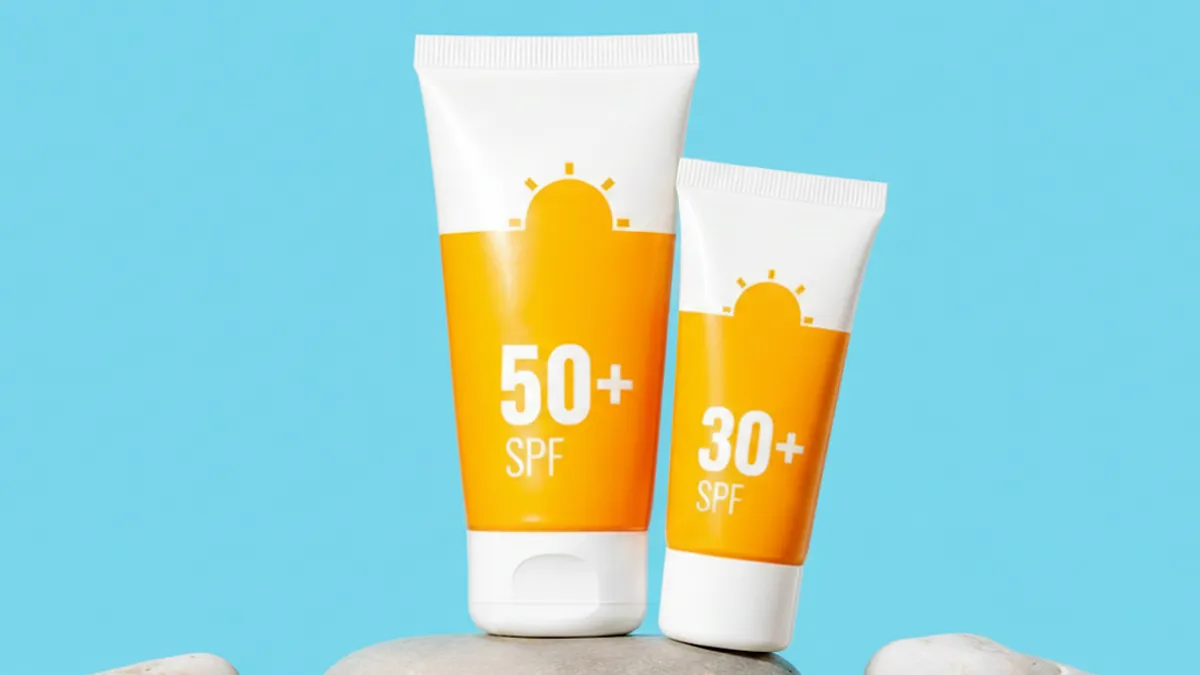
As she puts it, "it's rarely the sunscreen 'not working', it's almost always the skin reacting to something in the formula or the application itself."
Reasons Causing Redness on the Skin After Applying Sunscreen
Dr Karuna Malhotra lists a few possible reasons that may be causing the redness on the face after anyone applies sunscreen.
Reason 1: A True Allergic Reaction (Allergic Contact Dermatitis)
Certain chemicals in sunscreens, including some chemical UV filters, fragrance and preservatives, can actually be a true allergy in sensitive people. As per Dr Malhotra:
- It usually causes redness and itching, and may also cause some small bumps or rash, which appears within minutes to one or two days after being applied.
- It tends to happen with a specific product or ingredient, so switching brands or formulations often resolves it entirely.
- Chemical sunscreens are more commonly implicated in true allergic reactions compared to mineral-based ones.
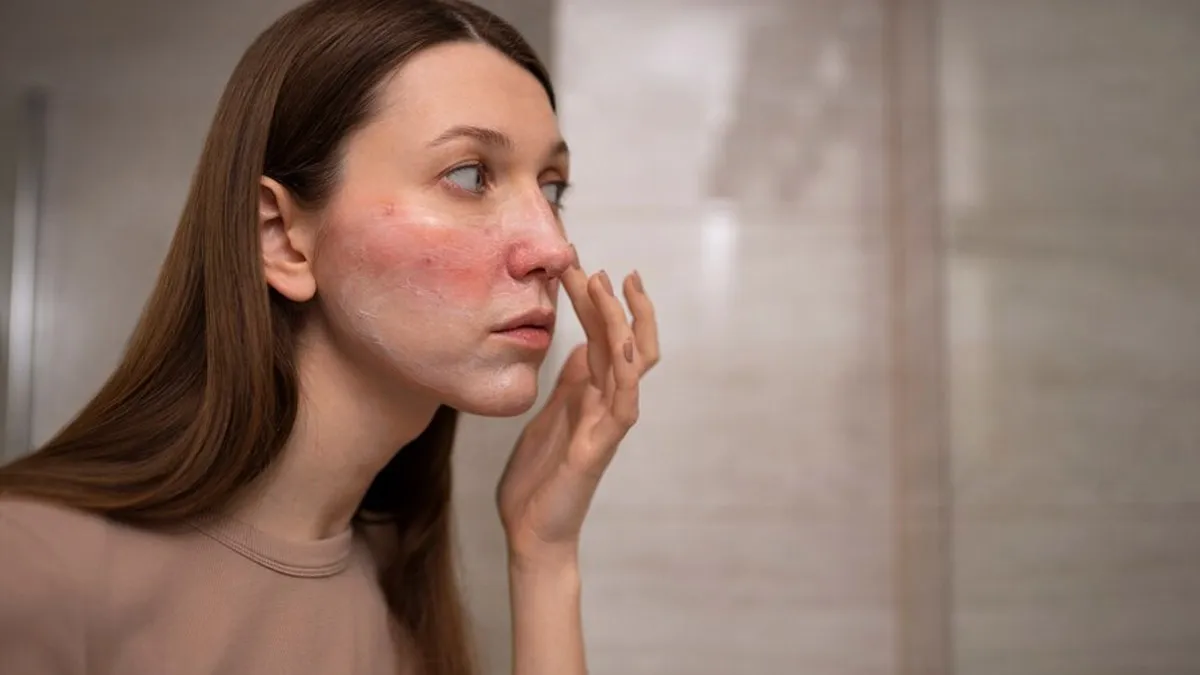
This last point holds up well in the research. A 2023 review published in the journal Dermatitis found that chemical sunscreen ingredients can trigger skin allergies. This is especially true when exposed to sunlight.
Among them, oxybenzone (benzophenone-3) emerged as the most frequent culprit behind allergic contact dermatitis. In contrast, mineral ingredients, specifically zinc oxide and titanium dioxide, showed zero reports of allergic skin reactions.
For readers with sensitive skin or eczema, switching to a purely mineral-based sunscreen offers reliable sun protection without the risk of an allergic flare-up.
Reason 2: Irritant Contact Dermatitis, Not a True Allergy
This is much more common than an actual allergy, and it is in fact the result of the very formulation of the skin being irritated instead of a specific immune response to an ingredient. Dr Malhotra explains:
- The alcohol, perfume, or oily, occlusive consistency can all compromise the barrier, especially for people with sensitive or fragile skin.
- This type of redness typically develops rapidly after application, is more of a sting and/or tightness than itch, and is likely to resolve with removal of the product.
- It is common in those whose skin barrier is already compromised for various reasons such as over-exfoliation, active acne treatment or eczema.
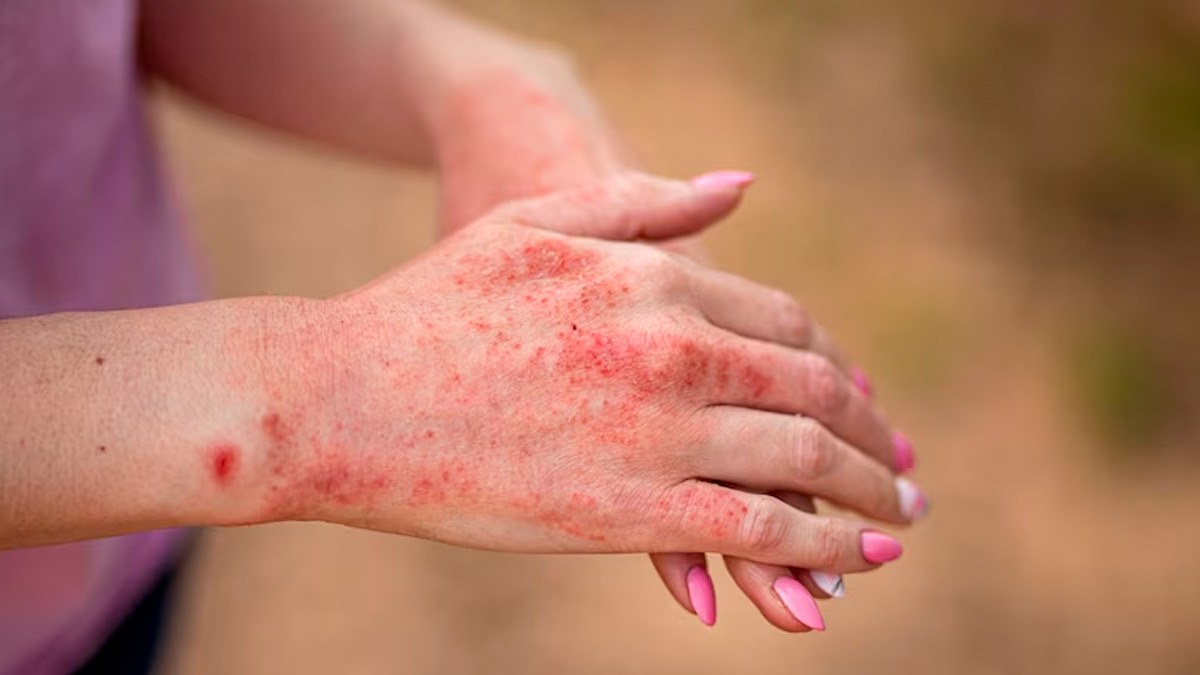
A 2024 review in the Indian Dermatology Online Journal explains an important difference. Allergic reactions and irritation can look the same on your skin. However, they happen for different reasons. An allergic reaction is caused by your immune system. An irritation is caused by the product directly hurting your skin barrier. Knowing the difference helps you pick a better sunscreen next time.
Reason 3: A Niacinamide or Vitamin C Flush, or a Temporary Vascular Response
Some ingredients commonly found in sunscreens or paired skincare, particularly niacinamide, can cause a temporary flushing reaction in certain individuals, unrelated to a true allergy or irritation. Dr Malhotra explains:
- This typically causes redness and a warm, tingling, or slightly hot sensation, but no lasting rash or bumps, and it usually fades within 20 to 30 minutes.
- Another area of concern is a temporary “flushing” of the skin that is caused by the heat and rubbing of the product application, particularly in the application of certain gel or alcohol-based skin textures. This intended response is not a reaction in the true sense but simply an increase of blood flow to the area.
- This kind of redness is usually not a sign of skin damage and is quite normal, and therefore might not be alarming or uncomfortable to see, although it can be uncomfortable to wear.
How Can You Tell Which of the Three It Actually Is?
Dr Malhotra has a quick way of cutting it down to size:
- Timing: Irritation and vascular flushing occur very quickly, often almost instantly and sometimes allergies manifest after 24 to 48 hours.
- Sensation: If it itches, then it is an allergy. If it stings or tightens, it is an irritation. If it is warm or tingling, but there is no lasting marks, it is a vascular flush.
- Irritant/allergic reactions are likely to persist or intensify on their own, whereas a vascular flush is likely to fade on its own in about 30 minutes.
What Should You Do If Your Face Turns Red After Sunscreen?
Dr Malhotra suggests the following:
- Do not use that particular product and gently cleanse the area with a mild, non-fragrance soap.
- Use a simple, gentle moisturiser to help the skin barrier recover during the healing process.
- Do not add other active ingredients like exfoliating acids or retinoids until the redness is completely gone.
- For suspected allergies, conduct a small area test of a new sun screen on an area of skin such as the inside forearm over the course of a couple of days and then use it on the face.
- Try mineral sunscreens with zinc oxide or titanium dioxide, which are less likely to cause true allergic reactions as a safer alternative for sensitive skin.
When Should You See a Dermatologist About This?
Dr Malhotra advises booking an appointment if:
- The redness is accompanied by swelling, blistering, or significant discomfort.
- It doesn't improve within a day or two after stopping the product.
- Reactions keep happening across multiple different sunscreen brands, suggesting a broader sensitivity that needs proper evaluation.

When there's any difficulty breathing or swelling beyond the application site, this needs urgent medical attention rather than a dermatology appointment.
ALSO READ- SPF 30 vs SPF 50: Is Higher Always Better? A Dermatologist Reveals the Best Choice for Indian Skin
Conclusion
A red face after sunscreen isn't a sign the product failed. It's your skin telling you something specific about how it's reacting. Paying attention to timing and sensation can tell you a lot, and switching to a mineral formula is often the simplest fix while you figure out the rest.
FAQ
1. Does using sun cream cause redness that can be aggravated by heat and humidity even if it is not really a reaction to the sun cream?
A vascular flush or mild irritation can be exacerbated by hot, humid conditions because heat also causes an increase in blood flow to the skin.2. Does the redness caused by sun cream only occur on some parts of the face such as the cheeks?
Yes, this is normal and happens in areas that are thinner or have more blood vessels to show through such as cheeks and nose.
All possible measures have been taken to ensure accuracy, reliability, timeliness and authenticity of the information; however Onlymyhealth.com does not take any liability for the same. Using any information provided by the website is solely at the viewers’ discretion. In case of any medical exigencies/ persistent health issues, we advise you to seek a qualified medical practitioner before putting to use any advice/tips given by our team or any third party in form of answers/comments on the above mentioned website.
How we keep this article up to date:
We work with experts and keep a close eye on the latest in health and wellness. Whenever there is a new research or helpful information, we update our articles with accurate and useful advice.
-
Current Version
Sep 02, 2026 15:26 IST
Published By : Vivek Kumar
Reviewed By : Dr Karuna Malhotra