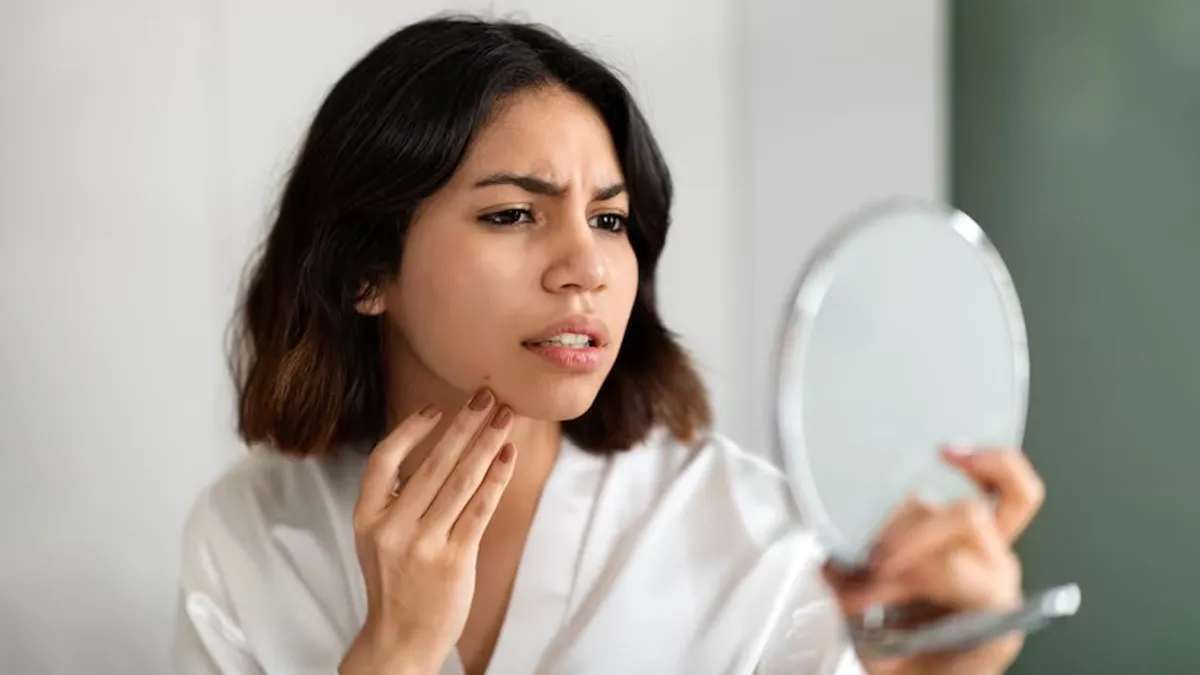
Glowing skin is often linked to exfoliation. But when it turns into the too much category, the skin can quickly go from radiant to raw. If your face suddenly tightens, burns when you use products, or appears red and scaly, it is possible that you have over-exfoliated it. According to experts, over-exfoliation damages the skin barrier, which is the outermost layer of the skin known, also known as the stratum corneum. This membrane is essential for safeguarding water loss, irritants and microbes.
In an exclusive interaction with the editorial team of Onlymyhealth, Dr Ruben Bhasin Passi, Consultant Dermatologist at CK Birla Hospital, Gurugram, explained that when a person overuses physical scrubs, AHAs, BHAs, or retinoids, they disrupt the protective shield of their skin, which may result in redness, burning, peeling, tightness, and heightened sensitivity. Additionally, even dermatology studies also indicate that the impairment of skin barrier results in the increase of Transepidermal Water Loss (TEWL), thus resulting in inflammation and dehydration. However, the good news is that our skin can be cured with the proper care. Read ahead to know everything Dr Passi shared with us.
Best Ways to Heal Your Face After Over Exfoliating
Here are the three most effective, expert-recommended ways of fixing your face when you have over-exfoliated it:
1. Stop All Active Ingredients Immediately.
According to Dr Passi, the most significant and crucial process is to press pause on all active ingredients. This means:
- No AHAs or BHAs
- No retinoids
- No vitamin C
- No exfoliating scrubs
- No fragranced products
“Use of actives can make the inflammation worse and slow down the healing process. Research indicates that the barrier recovery improves significantly once irritants are removed. Cutting off triggers makes the native lipid repair processes of your skin start repairing the damaged barrier,” Dr Passi continued. The better option would be switching to a minimal routine. Try:
- A gentle cleanser
- One of the barrier-repair moisturisers
- Sunscreen during the day
ALSO READ- Is Drinking Water Alone Enough to Give You Clear Skin? A Doctor Reveals The Truth
 1-skin
2. Focus on Barrier Repair
“When you have ceased the irritants, the next thing you want to do is to repair the barrier,” she said. Expert recommended to look for moisturisers which include:
- Ceramides
- Cholesterol
- Fatty acids
These ingredients are simulated replicas of the natural skin lipids and aid in cracking sealants in the barrier. Clinical evidence show that the use of ceramide-based formulations help in the restoration of barrier integrity and TEWL reduction. Choose:
- Lightly scented, fragrance-free cleanser
- A thick, hydrating cream (not a lightweight gel if your skin is very irritated)
“It is best to avoid foaming bath soap, or anything that makes your skin squeaky clean. You can tell by that stiffness your wall is suffocating,” Dr Passi said.
Additionally, note that hydration is key. Applying moisturiser on slightly damp skin can help lock in water and accelerate recovery.
3. Prioritise Sun Protection
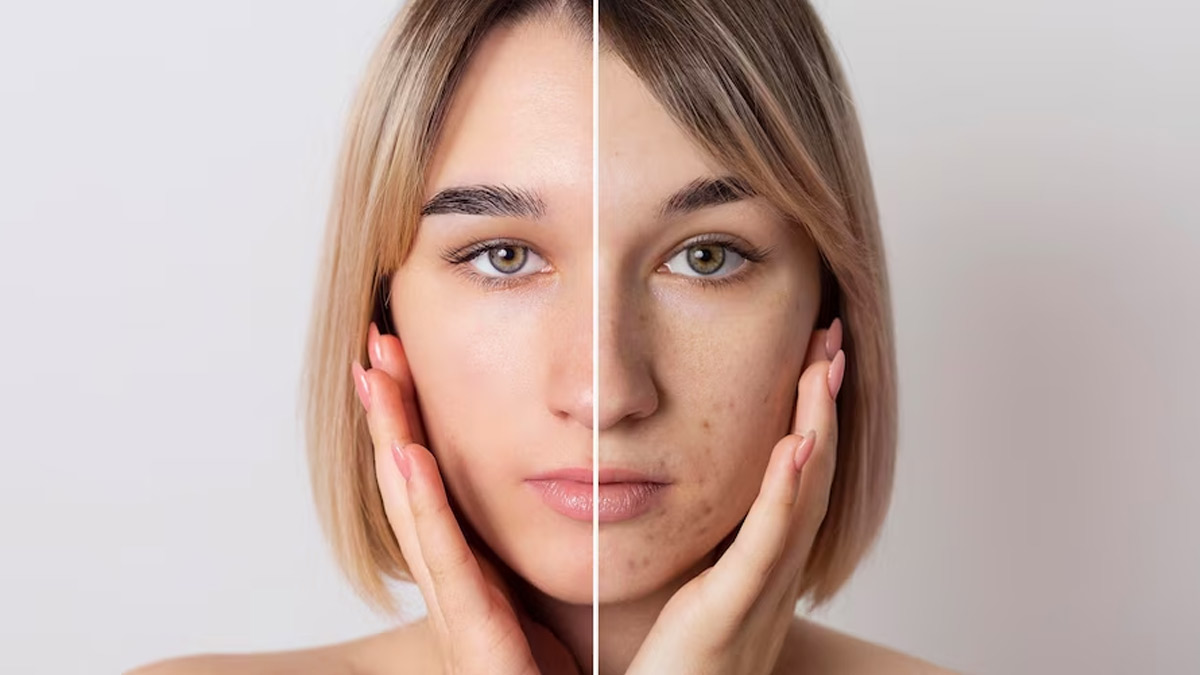
Our skin barrier is very weak when it is impaired, which means it is significantly more prone to UV damage. Even mild sun exposure can increase redness, worsen healing time, and initiate a post-inflammatory hyperpigmentation (dark spots). Here’s what Dr Passi recommended to use:
- A broad-spectrum sunscreen
- SPF 30 or higher
- Ideally minerals sunscreen, in case your skin is very sensitive
- Apply again after two to three hours in case you are outdoors
ALSO READ- Is Micellar Water Safe for Everyday Makeup Removal? Here’s What Dermatologist Says
 2-skin
How Long Does Skin Barrier Take to Heal?
According to Dr Passi, the recovery period of the skin barrier normally takes two to four weeks, depending on the extent of damage. The mild cases could be alleviated within a week, however, severe aggravation could require more time.
Additionally, consult a doctor if you notice any of the following symptoms:
- Persistent burning
- Blistering
- Oozing
- Severe swelling
Bottomline
Over-exfoliated skin needs rest, repair, and protection. Experts recommend to stop using actives, rebuild the barrier with ceramides, and never skip sunscreen, as the three most important pillar of a healthy skin.
FAQ
1. How do I tell whether I have over-exfoliated my skin?
Symptoms of over exfoliation include redness, burning, tightness, peeling and stinging on application of products.2. Can I still wash my face after over-exfoliating?
Yes, but only with a gentle, fragrance-free cleanser, and avoid scrubs or foaming washes.3. When can I start using actives again?
Wait at least two to four weeks and reintroduce one product slowly once your skin feels completely calm and normal again.
All possible measures have been taken to ensure accuracy, reliability, timeliness and authenticity of the information; however Onlymyhealth.com does not take any liability for the same. Using any information provided by the website is solely at the viewers’ discretion. In case of any medical exigencies/ persistent health issues, we advise you to seek a qualified medical practitioner before putting to use any advice/tips given by our team or any third party in form of answers/comments on the above mentioned website.
How we keep this article up to date:
We work with experts and keep a close eye on the latest in health and wellness. Whenever there is a new research or helpful information, we update our articles with accurate and useful advice.
-
Current Version
Feb 20, 2026 15:33 IST
Modified By : Tanya Srivastava Feb 20, 2026 15:33 IST
Modified By : Tanya SrivastavaFeb 20, 2026 15:33 IST
Published By : Tanya Srivastava
Reviewed By : Dr Ruben Bhasin Passi