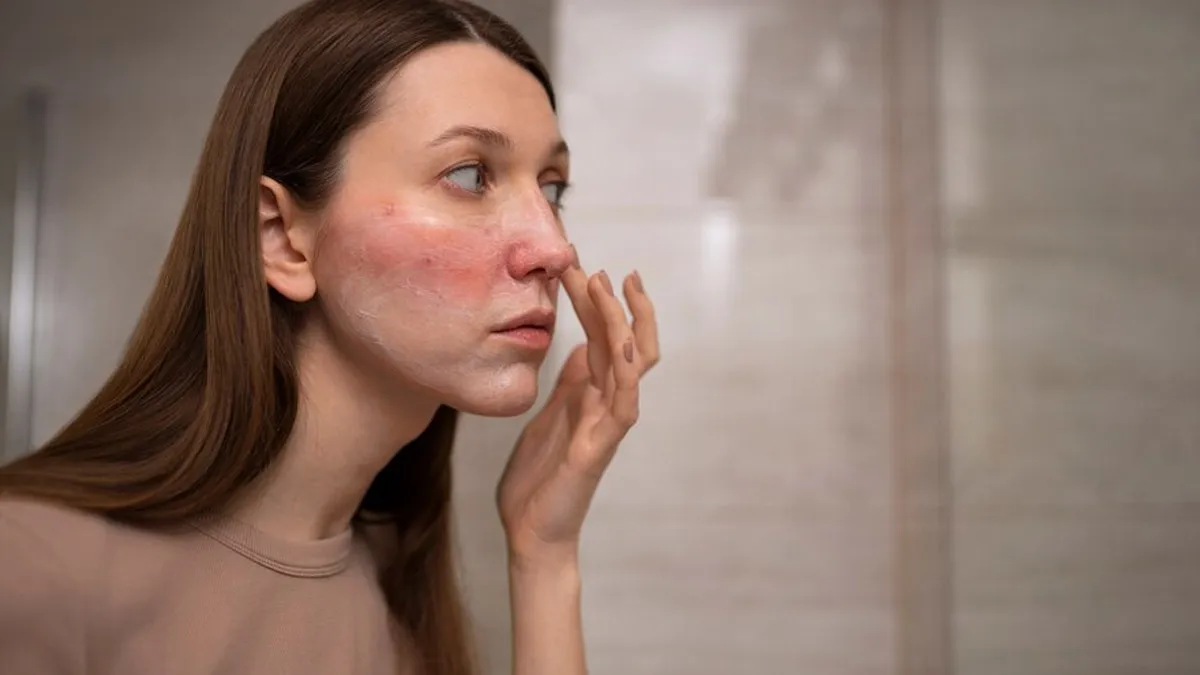
From lemon-and-honey face packs to overnight viral hacks trending on social media, DIY skincare has become a go-to solution for many people seeking quick, natural, and affordable beauty fixes. You might think that your DIY skincare is harmless, but the dermatologists strongly warn that experimenting with your skin without proper knowledge can do more harm than good.
In an exclusive interaction with the editorial team of Onlymyhealth, Dr Ruben Bhasin Passi, Consultant Dermatologist at CK Birla Hospital, Gurugram, shared that there are patients who come to her with damaged skin caused by DIY skincare practices that are not properly controlled or regulated. She also listed what can go wrong and how, read ahead to find out.
Hidden Dangers of DIY Skincare No One Will Ever Tell You
According to Dr Passi, here are five lesser-known dangers about DIY skincare routines that no one talks about, but should know:
1. Invisible Damage to Skin Barrier
Our skin barrier is the first line of defence of the body. It keeps irritants out and moisture locked in. Using baking soda, undiluted essential oils, and abrasive scrubs can all contribute to the stripping of this protective layer.
"When the skin barrier is broken, the skin gets more sensitive, and this dryness, and inflammation can even lead to infections. It is very hard for the skin to fully recover after being damaged, the process can take a few weeks, and sometimes even months,” Dr Passi shared.
ALSO READ- Can Hydration Really Improve Skin Texture and Glow in Colder Months? Find Out Here
 sun
sun
2. Chemical Burns from Natural Ingredients
Just because something is natural doesn’t mean it is safe to apply it directly to the skin. Lemon juice, apple cider vinegar, garlic, and turmeric are some of the most commonly used DIY remedies, but they are also very acidic or potent.
“If you do not dilute them properly or if you expose your skin for too long, you may suffer from chemical burns, redness, blistering, and even worse, pigmentation issues that will last for a long time,” she added. Many people confuse the initial tingling with working, while in fact it is just a warning signal.
3. Photosensitivity and Sudden Dark Spots
Some DIY treatments that are used make the skin more sensitive to the sun. The citrus masks, essential oils, and home peels can cause photosensitivity to occur.
This means stepping out in the sun, even briefly, can lead to tanning, sunburn, or stubborn dark patches. Dr Passi reported that post-inflammatory hyperpigmentation due to such reactions is one of the most common issues she deals with at clinics.
4. Bacterial and Fungal Infections
The absence of preservatives in homemade skin care products also leads to their spoilage very fast, even if they are stored in the proper conditions. Old mixtures that have been reused or contaminated products that were applied on the skin can lead to bacteria or fungi being directly introduced onto the skin.
This is particularly dangerous if the skin is already prone to acne or is broken. Infections may appear as worsening acne, rashes, itching, or painful lesions that require medical treatment rather than home care.
 face mask
5. Delayed Diagnosis of Real Skin Conditions
The use of DIY skincare more often than not leads to masking of symptoms instead of treating the underlying cause. Persistent acne, pigmentation, rashes, or hair fall may be signs of underlying hormonal, allergic, or dermatological conditions.
"Home remedies are the cause of the delay in diagnosis and often lack the proper timing to treat the problem," stated Dr Passi. What might have been a easily managed problem at the beginning may turn into a chronic one.
How to Be Skincare-Smart?
Not every home remedy is harmful, but skincare is a process that doesn't lend itself easily to everyone. It is crucial to perform a patch test, to learn about the concentration of ingredients, and to know your skin type. When in need of help, professional advice is always safer than social media tips.
Bottomline
DIY skincare trends may look harmless, but dermatologists warn that common home remedies can damage the skin barrier, cause burns, and delay proper treatment.
FAQ
Q1. Are all DIY skincare remedies bad?
No, but the majority do not have proper formulation and safety checks. Without guidance, they can cause irritation or long-term damage.Q2. Why does natural skincare still cause reactions?
Natural ingredients can be highly potent or acidic, making them unsafe when applied directly to the skin.Q3. When should I see a dermatologist instead of trying home remedies?
If a skin problem lasts more than two to three weeks, gets worse, or is accompanied by pain, itching, or colour change, then it is better to consult an expert.
All possible measures have been taken to ensure accuracy, reliability, timeliness and authenticity of the information; however Onlymyhealth.com does not take any liability for the same. Using any information provided by the website is solely at the viewers’ discretion. In case of any medical exigencies/ persistent health issues, we advise you to seek a qualified medical practitioner before putting to use any advice/tips given by our team or any third party in form of answers/comments on the above mentioned website.
How we keep this article up to date:
We work with experts and keep a close eye on the latest in health and wellness. Whenever there is a new research or helpful information, we update our articles with accurate and useful advice.
-
Current Version
Jan 06, 2026 12:30 IST
Modified By : Tanya Srivastava Jan 06, 2026 12:30 IST
Modified By : Tanya SrivastavaJan 06, 2026 12:30 IST
Published By : Tanya Srivastava
Reviewed By : Dr Ruben Bhasin Passi