
During the cold winter months, moisture levels in the atmosphere also drops which in turn raises the occurence of skin issues. From flaky legs to itchy arms and cracked heels, dry skin becomes a common complaint during the colder months. Though the majority of us follow a strict moisturising regime on the face, is full-body moisturisation also necessary in winter?
Why Winter Dries Out Skin
Winter air is typically dry, both outdoors and indoors. Cold winds, low humidity, and excessive use of heaters strip the skin of its natural oils. In an exclusive interaction with the editorial team of Onlymyhealth, Dr Ruben Bhasin Passi, Consultant Dermatologist, CK Birla Hospital, Gurugram, explained that moisturising body is just as important as moisturising the face. The dry and cold climate in winter, lack of humidity in the air, and having showers that are too hot tend to remove the natural oils from the skin.
She said, “The skin of hands and feet have fewer oil glands, that makes it more susceptible to dryness, and this tends to be a particular problem in winter because of lower humidity levels in the air.”
ALSO READ- Can Hot Showers in Winter Really Damage Skin Barrier? Dermat Shares
 1-skin
What Happens When You Skip Moisturising Body in Winter?
Not moisturising the skin has consequences that go beyond skin appearance because when the skin is dry, it fails to perform the function of serving as a good barrier against external conditions. Skin becomes vulnerable to conditions such as itching, irritation, and even formation of cracks.
"As a consequence of not moisturising the body, people develop skin issues like eczema or infections. For example, someone with an already existing skin condition like eczema, psoriasis, or sensitive skin can easily experience worse skin due to the dryness brought about by winter,” she continued.
Ideal Way to Moisturise Body in Winter
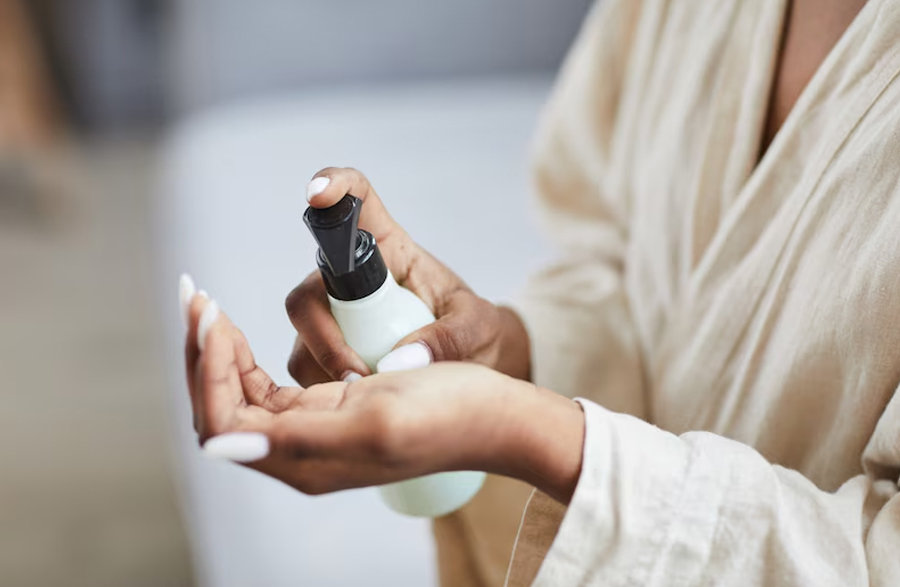
Timing matters just as much as the product you use. Dr Passi recommended applying moisturiser immediately after bathing.
“Using a moisturiser while the skin is a little damp after bathing serves to lock the moisture in effectively. It is also essential to maintain consistency. It is unlikely that just moisturising will meet the body's requirements with daily moisture, especially when the skin is too dry,” highlighted Dr Passi.
ALSO READ- Top 5 Plant-Based Oils For Sensitive Skin in Winter
 2-skin
Additionally, all moisturisers may not be equally effective during winters. Some lotions, which are otherwise good in summer, may not be so good in winter.
“Rich creams or lotions containing ingredients such as ceramides, glycerin, shea butter, or oils are recommended in winters by Dermatologists,” revealed Dr Passi. Ceramides work as an aid in the repair process, glycerin draws moisture, and shea butter is a rich moisturising agent.
“For very dry or sensitive skin, ointment-based products can offer superior protection by creating a thicker seal over the skin, preventing moisture loss,” Dr Passi suggested
Bottomline
Full-body moisturisation in winter is not optional, it’s essential to maintain a healthy skin barrier, prevent dryness-related issues, and keep your skin comfortable and protected throughout the season.
FAQ
1. Is face moisturiser enough for winter skincare?
No. The body needs separate, richer moisturisers as areas like arms, legs, and feet are more prone to dryness.2. How often should I moisturise my body in winter?
At least once daily after bathing, and more often if your skin feels very dry or itchy.3. Are oils better than lotions in winter?
Oil or ointment may be more appropriate if the skin is very dry, but creams containing ceramide and glycerin work well for most people.
All possible measures have been taken to ensure accuracy, reliability, timeliness and authenticity of the information; however Onlymyhealth.com does not take any liability for the same. Using any information provided by the website is solely at the viewers’ discretion. In case of any medical exigencies/ persistent health issues, we advise you to seek a qualified medical practitioner before putting to use any advice/tips given by our team or any third party in form of answers/comments on the above mentioned website.
How we keep this article up to date:
We work with experts and keep a close eye on the latest in health and wellness. Whenever there is a new research or helpful information, we update our articles with accurate and useful advice.
-
Current Version
Dec 29, 2025 15:16 IST
Modified By : Tanya Srivastava Dec 29, 2025 15:16 IST
Modified By : Tanya SrivastavaDec 29, 2025 15:16 IST
Published By : Tanya Srivastava
Reviewed By : Dr Ruben Bhasin Passi