

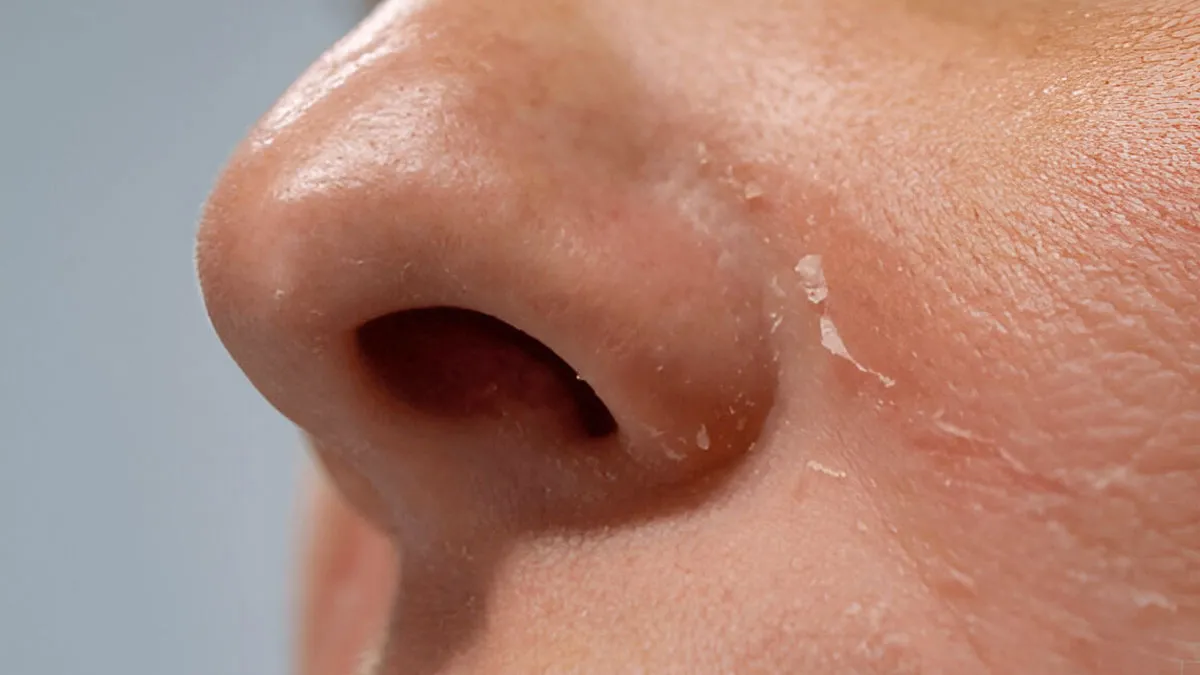
As the festive season comes to an end and winter starts to set in, most of us find ourselves struggling with more than just post-Diwali fatigue, and observe the skin also breaks out in visible signs of stress. From harsh pollution and smog in the atmosphere to slight temperature drops, the mix can have the face looking tight, flaky, and dry. Peeling skin is not just a beauty issue, it suggests a compromised skin barrier.
Table of Content:-
In an exclusive interaction with the editorial team of Onlymyhealth, our expert, Dr Kriti Lohia, CEO & Consultant Dermatologist, MBBS, DDVL, DABRM, Aesthetics Redefined by Cocoona Clinic - Gurgaon, provided professional insights into why facial peeling occurs and how to effectively restore skin health. Here is everything she shared with us.
Causes of Facial Peeling
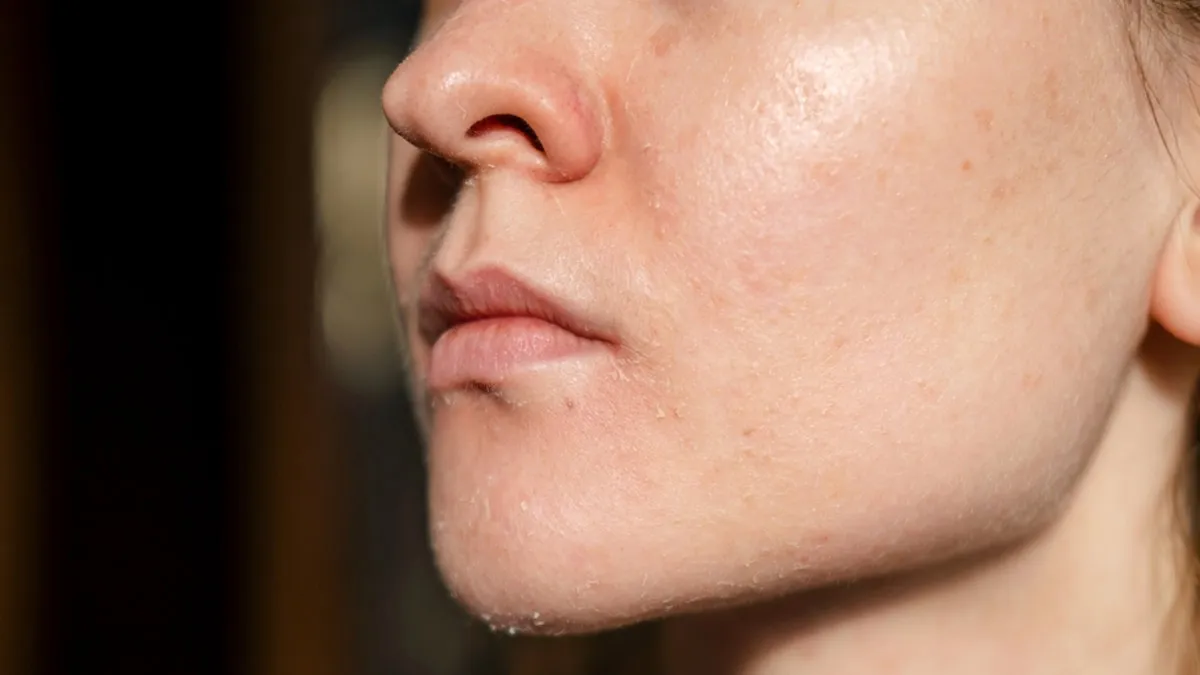
Facial peeling happens when the skin's outermost layer, or the stratum corneum, gets damaged or becomes too dry. "This layer serves as a shield that retains moisture and blocks out nasty irritants. When it is compromised as a result of external stressors such as pollution, UV exposure, or over-exfoliation, the skin becomes dehydrated and begins to shed unevenly,” Dr Lohia explained.
In addition to environmental factors, there are some skincare routines that exacerbate peeling. Excessive use of active ingredients such as retinol, glycolic acid, or salicylic acid, particularly without adequate moisturisation, can break down the skin barrier. Taking hot showers, washing the face often, or neglecting moisturizer can also remove natural oils, causing redness and peeling.
Also Read: Irritated With Frequent Red, and Burning Face? Here's What You Should Do
How to Heal and Strengthen the Skin Barrier
Here are a few expert-approved ways to heal and strengthen the skin barrier you can try:
1. Simplify the Skincare Routine
When the barrier of the skin is compromised, less is better. "Reduce harsh exfoliants and active serums. Use a gentle cleanser, a hyaluronic acid-containing hydrating serum, and a moisturizing moisturiser. Use non-foaming, sulfate-free cleansers that contain ceramides or glycerin,” recommended Dr Lohia.
2. Prioritise Barrier-Repairing Ingredients
Seek out skincare products that contain ingredients that replicate or revive the skin's natural lipids. Ceramides, niacinamide, squalane, and panthenol are super-ingredients that reinforce the barrier and seal in moisture. "Applying a moisturizer with these ingredients twice a day can improve flakiness in as little as a week," said Dr Lohia.
3. Steer Clear of Over-Cleansing and Hot Water
Hot water can be soothing, but it depletes essential oils and leaves the skin parched and irritated. Dr Lohia advised washing the face with lukewarm water and avoiding cleansing more than twice a day. "Even mild cleansers can disturb the barrier if used too much," she pointed out. out.
Also Read: Why Does Heart Palpitation Happen While Lying Down? Find Out Here

4. Use a Humidifier and Stay Hydrated
The upcoming dry winter air will significantly drop humidity levels. This can lead to trans-epidermal water loss, aggravating peeling. "Keeping a humidifier indoors and consuming a minimum of two to three litres of water per day keeps skin moisture in balance from the inside out," shared Dr Lohia.
5. Shield against Pollution and Sun
The post-Diwali smog and winter sun can aggravate dryness and oxidative stress. Applying a Broad-Spectrum Sunscreen (SPF 30 or higher) every morning is essential. “Many skip sunscreen thinking it’s not needed in cooler months, but UV damage continues year-round,” warned Dr Lohia. Use an antioxidant serum with Vitamin C or E in the morning to neutralise free radicals.
When to See a Dermatologist
If peeling is also associated with itching, burning, or inflammation, it may be a sign of an underlying condition like eczema, contact dermatitis, or allergic reaction. "Chronic peeling that is not responding to gentle treatment in a week or so needs to be seen by a dermatologist," Dr Lohia recommended.
Bottomline
Peeling is a symptom that the skin barrier is broken, but with careful treatment, barrier-restoring ingredients, and defense against environmental stress, healthy skin can be restored naturally.
Also watch this video
FAQ
1. Can exfoliation treat peeling skin?
No, peeling may be made worse by removing already sensitized surface layers with exfoliation. Use gentle hydration and barrier repair instead, followed by reintroducing exfoliants.2. How long will it take to repair the skin barrier?
With regular care and the use of barrier-building products, improvement can be noted in 5 to 7 days, although full restoration can take 3 to 4 weeks.3. Is facial peeling always caused by dryness?
Not necessarily. It may also be caused by overuse of skin actives, allergies, or skin conditions such as dermatitis or psoriasis. The precise cause is determined through a dermatologist's consultation.
How we keep this article up to date:
We work with experts and keep a close eye on the latest in health and wellness. Whenever there is a new research or helpful information, we update our articles with accurate and useful advice.
Current Version
Nov 02, 2025 12:30 IST
Published By : Tanya Srivastava