
Skin health suffers as the temperature lowers. Cold outdoor air, heated indoor air, and less water intake combine to cause skin dehydration. Dehydration not only changes the appearance of the skin but also affects its functions. Dermatologists say that drinking water is very important in keeping skin texture, elasticity, and radiance in winter.
In an exclusive interaction with the editorial team of Onlymyhealth, our expert, Dr Ruben Bhasin Passi, Consultant Dermatologist, CK Birla Hospital, Gurugram, explained everything you need to know to keep your skin glowing and healthy even during the cold months.
Why Winter Dries Out Our Skin
The moisture in winter is very low, compared to that during summer. Low humidity takes away moisture from the skin and makes the skin barrier weak. Indoor heating alongside air conditioning makes the situation worse and the skin is left tight, flaky, and irritated, and it in turn appears dull and uneven. Many people try to fix this by applying heavier creams only but skin experts highlight that the skin should be hydrated from within first.
ALSO READ- Is It Okay To Take Cold Showers In Winter? Expert Tells
 water-for-skin
Role of Hydration in Skin Health
According to Dr Passi, hydration is a very critical factor in the maintenance of healthy and glowing skin particularly in winter. “Winter's dehydration and the dry air gradually drain out the skin's moisture. Adequate water intake promotes healthy skin cell function, increases skin's elasticity, and enables the skin to retain moisture,” she added.
When skin cells are well hydrated, they appear plumper and smoother. The light is reflected more on the skin's surface making it look brighter and more radiant. On the contrary, the dehydrated skin cells reduce in volume leading to roughness, fine lines, and dullness.
 hydration
Role of Internal Hydration on Winter Skin Health
Moisturisers are indispensable, but taking in sufficient water is just as crucial. During the winter season many people feel less thirsty and unknowingly reduce their water intake. Dr Passi stated that the internal hydration through water intake and consumption of water-rich foods works in collaboration with the application of topical products.
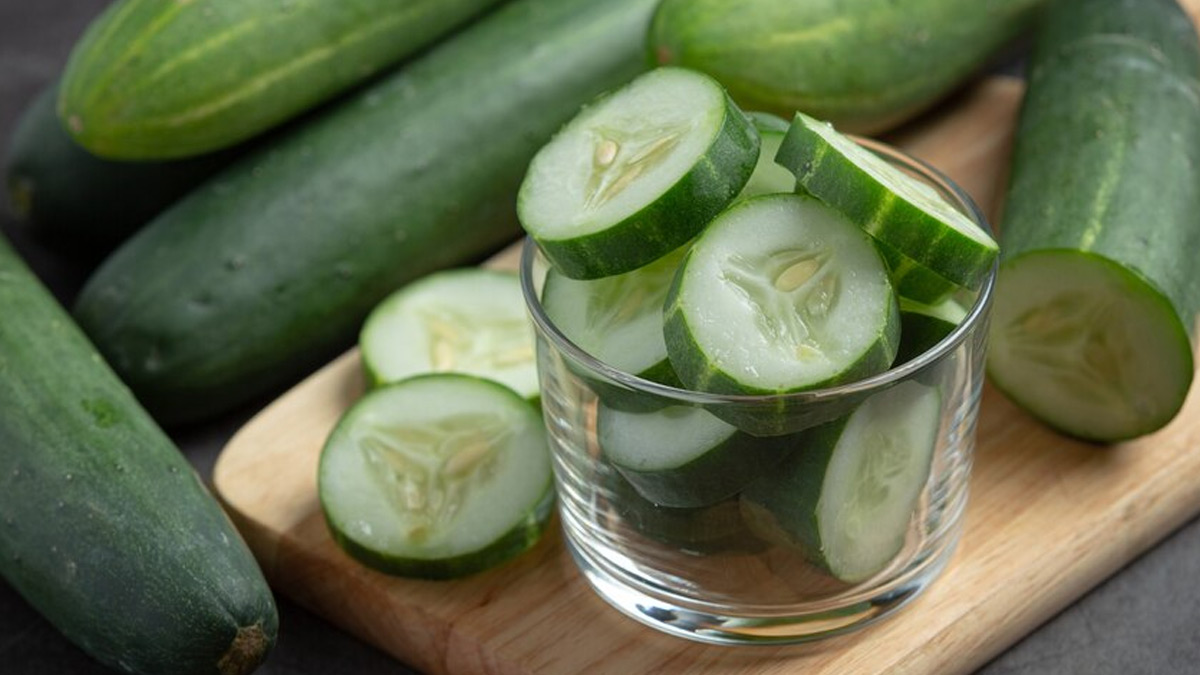
Hydrated skin also supports efficient nutrient delivery and toxin removal, which helps reduce dullness and uneven texture. Oranges, berries, apples, and vegetables like cucumber, spinach, and carrots not only keep the skin hydrated but also provide the vitamins and antioxidants that the skin needs.
ALSO READ- Expert Approved 5 Foods That Hydrate You More Than Water
 cucumber
How Topical Hydration in Winter Still Matter
Topical hydration helps seal moisture into the skin and protect the barrier. The use of stronger creams, gentle cleansers, and the application of moisturisers on wet skin can lead to a significant difference in results. Additionally, ingredients like hyaluronic acid, ceramides, glycerin, and squalane help attract and lock in moisture, making skin feel supple even in harsh weather.
Lifestyle Habits That Boost Winter Glow
Dr Passi concluded by stressing that hydration combined with smart lifestyle choices works wonders. Limit hot showers, use humidifiers in houses as a practice, and incorporate moderate exfoliation in your skin care routine to maintain skin hydration. Lastly, prioritise good quality sleep, and a healthy balanced diet as it also repairs the skin and makes it glow during winter months.
Bottomline
Hydration can significantly improve skin texture and glow in colder months. Experts recommend a combination of internal hydration, topical moisturisation, and protective lifestyle habits to help the skin stay elastic, smooth, and radiant even in winter.
FAQ
1. How much water should I drink for healthy skin in winter?
The daily water intake for most people should be from two to three liters, increased or decreased depending on the person's requirements and physical activity.2. Can skin care products take the place of drinking water?
No, water cannot be replaced but internal hydrating is important for overall skin health.3. Are hot showers harmful to winter skin?
Yes. Hot water removes the natural oils and causes even more dryness. So, taking lukewarm showers is a better way to keep your skin hydrated.
All possible measures have been taken to ensure accuracy, reliability, timeliness and authenticity of the information; however Onlymyhealth.com does not take any liability for the same. Using any information provided by the website is solely at the viewers’ discretion. In case of any medical exigencies/ persistent health issues, we advise you to seek a qualified medical practitioner before putting to use any advice/tips given by our team or any third party in form of answers/comments on the above mentioned website.
How we keep this article up to date:
We work with experts and keep a close eye on the latest in health and wellness. Whenever there is a new research or helpful information, we update our articles with accurate and useful advice.
-
Current Version
Dec 31, 2025 15:25 IST
Modified By : Tanya Srivastava Dec 31, 2025 15:25 IST
Modified By : Tanya SrivastavaDec 31, 2025 15:25 IST
Published By : Tanya Srivastava
Reviewed By : Dr Ruben Bhasin Passi