
Washing your face can leave your skin feeling clean and fresh, only for the shine to return a few hours later. This is especially common in those with oily or combination skin. One might think that if the skin isn't being cleansed enough, it has too much oil. However, this is not always the situation.
When you wash your face, you may experience oily skin due to the natural rhythm of sebum production, and the active washing could also disrupt the barrier. These two things can help to understand why you may find facial washing to be counterproductive in the case of oily skin.
What's Actually Causing Your Face to Go Oily So Fast?
Dr Karuna Malhotra, Cosmetic Skin Clinic, New Delhi, explains that, "There are two overlapping reasons, and most people only ever hear about one of them."
1. Sebum production
“It follows its own internal clock, not your washing schedule. Skin has its own circadian rhythm, controlled by clock genes like CLOCK and BMAL1 in skin cells themselves, not just the brain's master clock,” say Dr Malhotra.
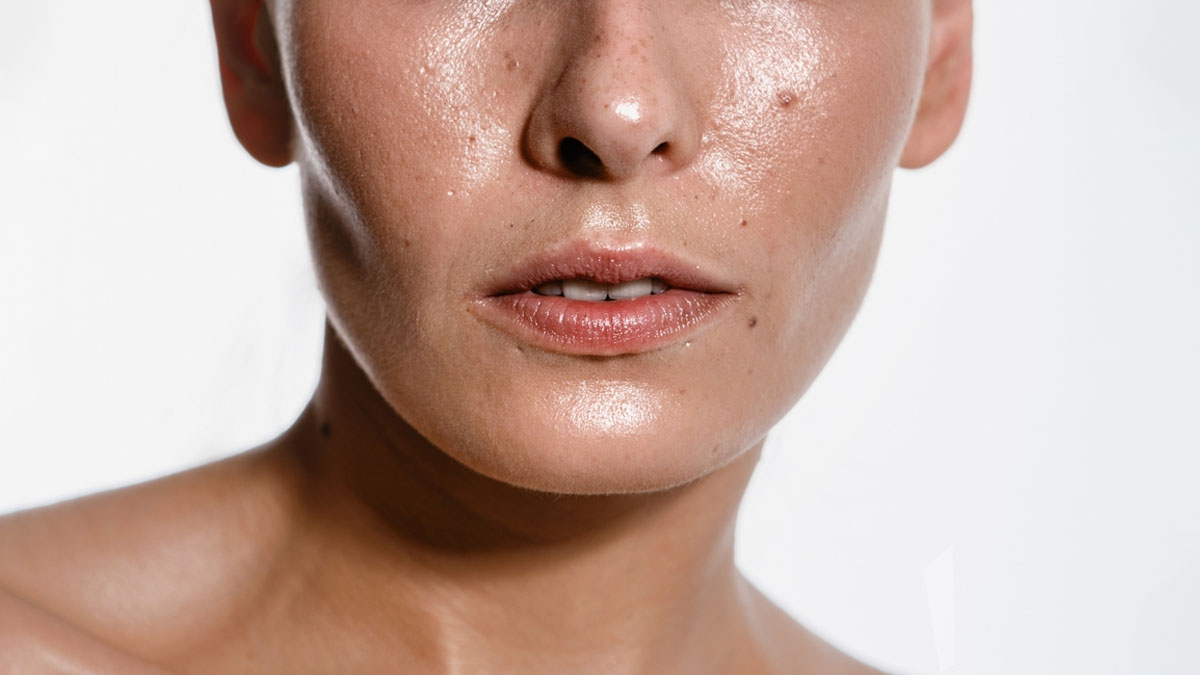
Sebaceous gland activity tends to be highest around midday, related to hormonal cycles. It that means that your face is actually producing more oil at specific times in the day, even if you have just washed it. Washing does not stop this rhythm, it only resets the surface oil to 0 for a short period of time and the clock continues under the surface.
2. Washing itself may be triggering a rebound response
“It happens especially with the wrong cleanser. This is the part almost nobody explains properly. When a cleanser strips away too much of the skin's natural lipid barrier, whether from harsh surfactants, over-cleansing, or water that's too hot, the skin interprets this as barrier damage,” according to Dr Malhotra.

Its response is to ramp up sebum production to repair and replenish that lost lipid layer. This is sometimes called sebum rebound or the sebum compensation response. The uncomfortable irony: the more aggressively you wash to control oil, the faster oil can return, creating a self-reinforcing cycle.
ALSO READ- Myth vs Fact: Can Rubbing Ice on Your Face Really Reduce Pores?
According to a study from JID Innovations, skin cells express circadian clock genes (like BMAL1, CLOCK, and PER1) directly at the cellular level. This study explores how clock genes function inside human skin tissue to regulate its natural daily timing.
Researchers measured core clock gene expression across the day and found that skin cells maintain their own circadian rhythm independently, rather than merely reacting to external light, sleep, or washing habits.
How Can You Tell Which Cause Is Behind Your Oily Skin?
Dr Malhotra says that self-observation is the key to a lot:
- For those who have an oiliness peak that happens around midday or early afternoon, no matter how they washed the morning, the circadian rhythm is probably most important.
- Rebound from barrier disruption is more likely if oiliness occurs at a higher rate when switching to a stronger cleanser or more often after using hot water.
Some people have a mix of the two, which makes it difficult to describe, or seem to experience them in varying ways.
What Actually Helps For Oily Face After Washing?

Dr Malhotra's suggestions for practice:
- Keep in mind that you're not using a harsh, stripping shampoo, which decreases the chances of having a "rebound" effect in the first place.
- Do not use hot water as this is also a barrier disruptor along with surfactants.
- Don't over-wash. Most people need to wash twice a day, increasing the number of washes won't help control the oil and will only make rebound worse.
- Even if you have oily skin, use a light moisturiser, that is not comedogenic, after cleansing as you may paradoxically trigger over-compensatory oil production by not moisturising.
- Use oil-control products such as clay masks or oil absorbing sheets around the time of day when sebum is typically highest, which is in the middle of the day, not just after a wash.
- Be patient when repairing barriers. Rebound may take several weeks of more gentle care if triggered by long-term over washing and/or aggressive products so as to lower the baseline of sebum production.
When Does Persistent Oiliness Need More Than a Routine Adjustment?
Dr Malhotra recommends seeing a dermatologist if:
- Oiliness is accompanied by significant, painful, or cystic acne, which may need input beyond skincare adjustments.
- Oiliness changed suddenly and significantly without a clear trigger, which can sometimes relate to hormonal shifts worth discussing with a doctor.
- Skin feels oily and irritated or sensitive at the same time, since this combination often points to a damaged barrier needing more targeted repair, not just oil control.
ALSO READ- Would You Put Crocodile Dung on Your Face? Ancient Greeks Once Did This For Glowing Skin
Conclusion
The most common cause for oily skin after hours of washing your face is not because you are not washing your face well or you have not had a good skincare regime. Your skin is working its own magic, with some actions like washing making it worse by also causing a rebound. Using both mechanisms, instead of trying to beat them with more severe washing, is likely to achieve better results.
FAQ
1. Does the type of water, hard versus soft, affect how quickly skin becomes oily after washing?
Mineral residue on the skin after washing from hard water can cause irritation/rebound effects for some people. This rebound effect is less researched than cleanser type or water temperature, and may vary from person to person.2. Do your facial oils appear on your face after cleansing more rapidly if you change your diet?
Some evidence suggests that high glycemic diets and some dairy products can affect sebum production in the long run. But in this case, it is the overall level of oil your skin produces rather than the rate of reappearance after one wash.
All possible measures have been taken to ensure accuracy, reliability, timeliness and authenticity of the information; however Onlymyhealth.com does not take any liability for the same. Using any information provided by the website is solely at the viewers’ discretion. In case of any medical exigencies/ persistent health issues, we advise you to seek a qualified medical practitioner before putting to use any advice/tips given by our team or any third party in form of answers/comments on the above mentioned website.

How we keep this article up to date:
We work with experts and keep a close eye on the latest in health and wellness. Whenever there is a new research or helpful information, we update our articles with accurate and useful advice.
-
Current Version
Sep 21, 2026 13:04 IST
Published By : Vivek Kumar
Reviewed By : Dr Karuna Malhotra