
Scroll through social media and you will find countless videos of people rubbing ice cubes across their cheeks. They are convinced it is shrinking their pores and giving them glass-like skin. But is this skincare practice actually effective or just a social media fad? Today, this article will answer the question for you.
To understand this better, we reached out to Dr Ruben Bhasin Passi, Senior Consultant Dermatology, CK Birla Hospital, Gurgaon.
Can Facial Icing Actually Shrink Pores?
Dr Passi says that facial icing has become something of a morning ritual for many people who are chasing that ‘snatched’ look before work. The expert adds, “As a dermatologist, I get asked about this practice constantly, and the honest answer is more nuanced than either camp on the internet would like to admit.”
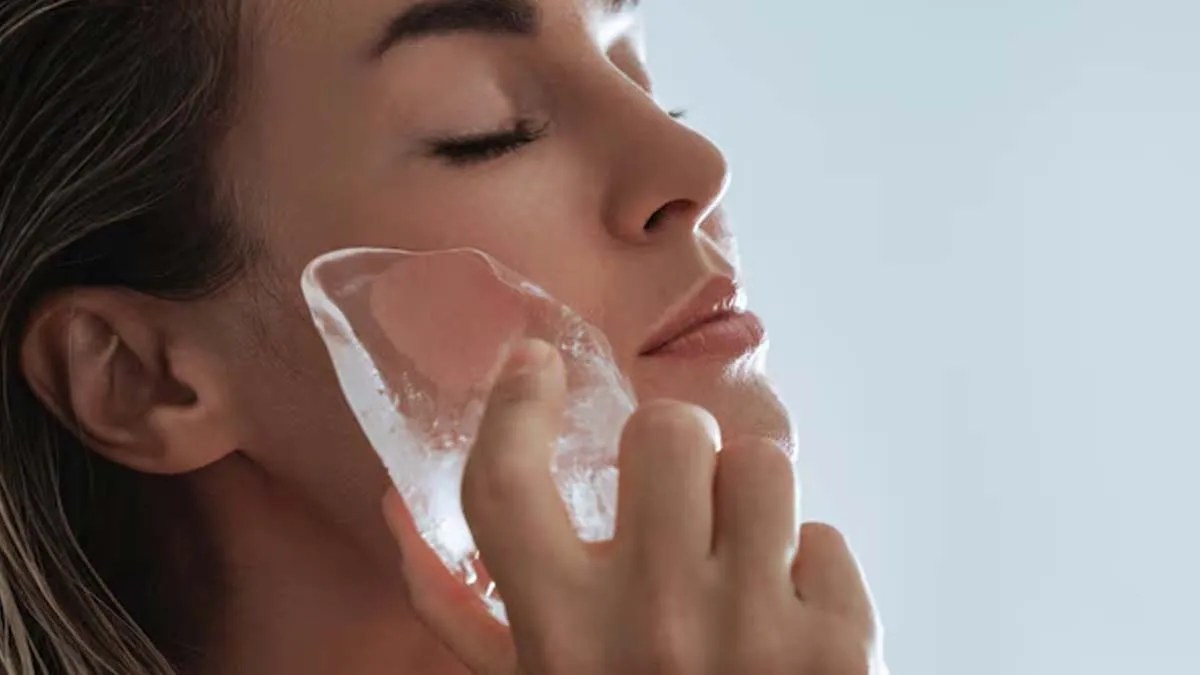
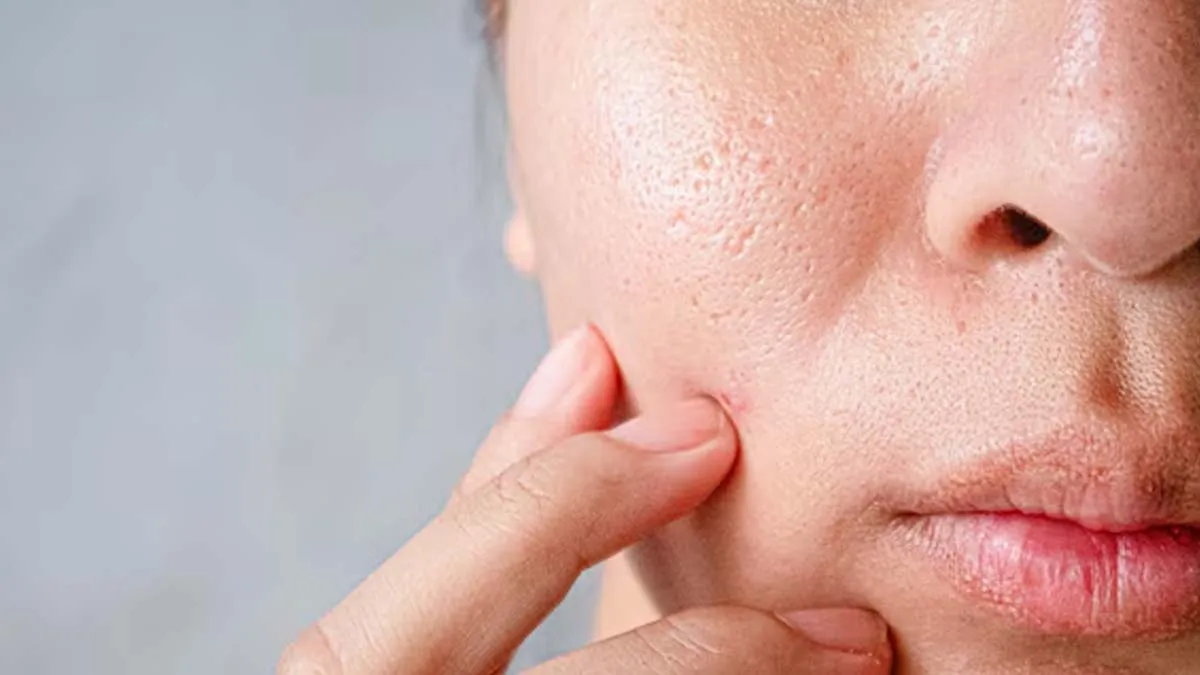
So can ice actually shrink pores? Answering this, Dr Passi says, “Not permanently, no. Pore size is largely determined by genetics, sebum production and skin elasticity around the follicle. What ice does do is cause temporary vasoconstriction, meaning it narrows the blood vessels near the surface of the skin. This reduces blood flow briefly, which can make pores appear smaller and give the skin a tighter, more matte look for an hour or two. It is a cosmetic illusion rather than a structural change. Once circulation returns to normal, the pores return to their usual appearance.”
“That said, the temporary de-puffing effect is real and useful, particularly for reducing morning facial swelling and calming visible redness or inflammation,” adds the expert.
 facial icing pores 1
Are There Any Risks of Facial Icing?
Dr Passi says that applying ice directly to bare skin, especially for extended periods, can cause more harm than good. Shedding light on this, the expert says, “The most common issue I see is a condition sometimes called ‘ice burn’ or cold panniculitis, where prolonged cold exposure damages fat cells beneath the skin, leading to redness, swelling and occasionally firm, tender nodules that can take weeks to resolve.”
Dr Passi continues, “Ice can also strip the skin's natural barrier when used too aggressively, leaving it more prone to dryness, sensitivity and irritation. For those with broken capillaries or rosacea, the sudden temperature shock can actually worsen visible redness over time rather than calm it, as repeated vasoconstriction and vasodilation places stress on already fragile vessels.”
So who should avoid facial icing? “I would advise against facial icing for anyone with rosacea, eczema, very sensitive or reactive skin, cold urticaria (a condition where cold triggers hives), or Raynaud's phenomenon affecting the face. Those with active acne should also be cautious, as ice cubes are rarely sterile and can transfer bacteria onto compromised skin, potentially worsening breakouts.”
 facial icing pores 2
Can Facial Icing Reduce Wrinkles?
A 2015 study, published in the journal Dermatologic Surgery, examines the popular beauty trend of facial icing. It attempts to understand if applying cold temperatures can actually reduce the appearance of fine lines and wrinkles.
The study analyses that when ice is applied to the skin, it immediately causes the underlying blood vessels to constrict. This temporarily minimises redness and morning puffiness. Because of this sudden physiological tightening effect, many people wrongly believe that cold therapy is permanently smoothing out their wrinkles or shrinking their pores.
However, the research reveals that while facial icing can make the skin look temporarily firmer and more awake, it does not actually change the structural depth of existing wrinkles. The study adds that freezing the skin's surface does nothing to stimulate new collagen production or repair cellular ageing.
In fact, the researchers warn that applying ice directly to the face for too long may lead to severe irritation, broken capillaries, or even minor frostbite (ice burns). Moreover, extreme cold can also harm the skin's natural protective barrier. For wrinkle reduction, the research suggests using proven, science-backed dermatological treatments like daily sunscreen, retinoids, and peptides, instead of temporary cold therapy.
 facial icing pores 3
Tips To Practice Facial Icing The Right Way
Dr Passi says that if you would still like to incorporate icing into your routine, do it sensibly and follow these tips:
- Never apply ice directly to skin. Always wrap it in a clean muslin cloth or use a proper ice roller designed for facial use.
- Limit contact to 30 to 60 seconds per area, not several minutes.
- Move the ice continuously rather than holding it still in one spot to avoid localised tissue damage.
- Stick to once daily at most.
- Stop immediately if you notice persistent redness, numbness or discomfort.
- Always follow with a proper moisturiser, as cold exposure can be dehydrating to the skin barrier.
ALSO READ- What is Pomade Acne? Dermatologist Shares Causes, Risks and Tips to Deal With It
Conclusion
Facial icing is not a miracle pore treatment. However, when used carefully and briefly, it can offer a pleasant, temporary de-puffing effect. If pore size genuinely bothers you, treatments with actual evidence behind them, such as topical retinoids, salicylic acid or in-clinic procedures, will give far more meaningful and lasting results.
FAQ
Can you use ice daily on your face?
You can use ice on your face daily, but you must limit each session to 1 to 2 minutes and always wrap the ice in a clean, soft cloth to prevent ice burns.Can ice remove dark spots?
No, ice cannot remove dark spots or hyperpigmentation.
All possible measures have been taken to ensure accuracy, reliability, timeliness and authenticity of the information; however Onlymyhealth.com does not take any liability for the same. Using any information provided by the website is solely at the viewers’ discretion. In case of any medical exigencies/ persistent health issues, we advise you to seek a qualified medical practitioner before putting to use any advice/tips given by our team or any third party in form of answers/comments on the above mentioned website.
How we keep this article up to date:
We work with experts and keep a close eye on the latest in health and wellness. Whenever there is a new research or helpful information, we update our articles with accurate and useful advice.
-
Current Version
Sep 03, 2026 18:42 IST
Published By : Shruti Das
Reviewed By : Dr Ruben Bhasin Passi