If you wake up with a swollen or puffy face, you may think, "What happened to me last night? It's not necessarily due to a sudden fat gain or bad skincare routine. While facial puffiness in the morning is typically caused by a redistribution of fluid during sleep, there are some habits and health issues that may make it more prominent.
It may be contributed to by lying flat for several hours, eating salty food, drinking alcohol, sleeping poorly, or even crying before bed. The puffiness may dissipate after you get up and move around. However, when it recurs, persists for hours or adds to swelling in another location, it could require more than a skin treatment.
Why Does Your Face Look Puffy After Sleeping?
Dr Karuna Malhotra, Cosmetic Skin Clinic, New Delhi, explains, “This comes down to basic fluid dynamics combined with a few overnight habits. When you're upright during the day, gravity naturally helps fluid drain from your face. Lying flat for hours removes that advantage, so fluid that would normally circulate away tends to pool in the loose, thin skin around your eyes and face instead.”

Dr Malhotra outlines the specific triggers that make this worse:
- Fluid redistribution during sleep, since lying flat for hours allows fluid to settle in facial tissue rather than draining away as it does when you're upright
- High salt intake the night before, since sodium causes the body to retain more water, which shows up most visibly in the face by morning
- Alcohol consumption, which is dehydrating but also triggers a rebound fluid retention effect as the body tries to compensate overnight
- Sleeping on your stomach or face, which restricts normal fluid drainage on the compressed side and can cause more pronounced, sometimes asymmetric puffiness
- Allergies, since exposure to allergens like dust or pollen overnight can cause mild inflammation and fluid retention specifically around the eyes
- The fluid retention that occurs naturally around the menstrual cycle generally causes an increase in fluid in the body, including the face area.
- A lack of good sleep or adequate sleep, or an impaired ability to clear fluid well during sleep (lymphatic system)
- When you are getting sleepy, crying before sleeping, as the tears and the fluid movement will cause the eyes to be puffy the next morning.
Why Does This Happen Around the Eyes More Than Anywhere Else?
Dr Malhotra says the skin around the eyes is much thinner and more fragile than the rest of the face and doesn't have as much supportive tissue underneath. Thus it is much more likely to have fluid, which can be seen on the skin, in contrast to thicker skin areas. It's also one of the lowest-pressure areas when lying flat, making it a natural collection point for fluid that's settled overnight.

A review from The Ocular Surface highlights a sneaky cause of puffy eyes: allergic contact dermatitis. This happens when the super-thin skin on your eyelids reacts to chemicals in everyday products like makeup, cleansers, or shampoo. The tricky part is that it is often a delayed allergy, meaning the swelling might not appear until hours or days later.
Does Morning Puffiness Get Worse With Age?
Yes, generally, according to Dr Malhotra. As skin loses collagen and elastin with age, the tissue around the eyes becomes even thinner and less able to bounce back quickly once fluid has accumulated. The fat pads around the eyes can also shift position with age, sometimes making puffiness look more pronounced or persistent than it did in younger years, even with the same underlying fluid retention pattern.
Is Morning Facial Puffiness Ever a Sign of Something Else?
Typically no, says Dr Malhotra, when it passes in an hour or two after waking up and occurs on a familiar schedule that seems to be linked to eating, drinking or sleeping position. She points out some instances that deserve special attention:
- The puffiness lasts far longer after waking, after the first hour or two, rather than after you get up and move around
- It is accompanied by fluid retention in other parts of the body, such as the hands, legs or ankles, or another fluid retention problem.
- There is redness and/or pain, or the temperature is elevated, or there is vision changes, and this requires immediate medical assessment, not a skin care treatment.
- Puffiness that is new, worsening or one-sided without a clear cause (such as sleeping position)
- Other symptoms such as rapid loss or gain of weight, fatigue, or decreased urination may indicate kidney, thyroid, or heart disease which should be medically evaluated.
What Actually Helps Reduce Morning Facial Puffiness?
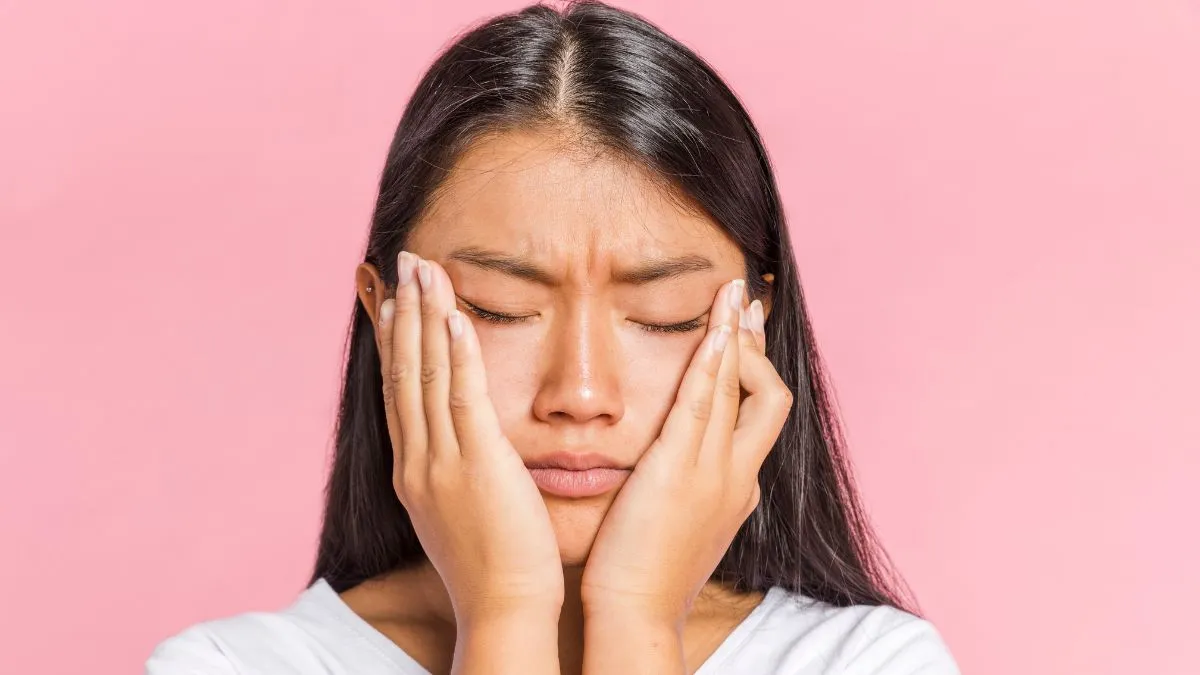
Anyone who has followed the course can attest to the fact that practical, daily measures that make a real difference are shared by Dr Malhotra:
- A raised head, with the use of an additional pillow, aids gravity in draining the fluids while you sleep, instead of against gravity
- Avoiding salt (particularly in the evening meal) rather than all day long
- Restricting alcohol, especially before bedtime
- Wrapping a cold compress or chilled under-eye tool in the morning, which may help to constrict the blood vessels and diminish visible puffiness relatively rapidly
- Facial massage, which can be gentle or a lymphatic drainage technique can help to stimulate the flow of fluid; however, the benefits are typically short-lived.
- Well hydrated throughout the day, surprisingly as well because it helps to maintain fluid balance; not over-hydrated.
- Preventing allergies where they are a regular cause of concern – keeping bedding clean and decreasing allergen exposure in the bedroom.
- If suffering from sleep position changes due to one side always being more puffy, this may be due to compression and should be taken into account
When Should You See a Doctor About Facial Puffiness?
Dr Malhotra outlines clear signs that call for medical evaluation:
- If puffiness has become a persistent, daily occurrence rather than an occasional one
- If it's accompanied by swelling elsewhere in the body
- If there are other symptoms like fatigue, shortness of breath, or changes in urination alongside facial puffiness
- If over-the-counter approaches and lifestyle adjustments aren't making a noticeable difference after a few weeks
ALSO READ- Anxiety and Skin Hives: Dermatologist Explains The Hidden Connection
Conclusion
In most cases, morning facial puffiness is just good old physics. While lying flat for hours during sleep, fluid that normally drains away by gravity accumulates in the thin, delicate skin around the eye. It may be more noticeable if you wear a mask at night, sleep on your side or back, or drink alcohol or salt. In most cases, only a couple of modifications to evening routines suffice. If the puffiness is ongoing, spreading or inexplicable, however, it's worth getting checked.
FAQ
1. Can certain skincare ingredients help reduce puffiness over time, not just temporarily?
Ingredients that support collagen production, like retinoids, can help thicken and firm the skin around the eyes over weeks to months, which may make fluid-related puffiness less visible over time.2. Does the type of pillow or sleeping surface make a difference to morning puffiness?
Yes, to some extent. A firmer, slightly elevated pillow setup that keeps the head above heart level overnight can support better fluid drainage than a flat or very soft pillow that allows the face to stay level or compressed.
All possible measures have been taken to ensure accuracy, reliability, timeliness and authenticity of the information; however Onlymyhealth.com does not take any liability for the same. Using any information provided by the website is solely at the viewers’ discretion. In case of any medical exigencies/ persistent health issues, we advise you to seek a qualified medical practitioner before putting to use any advice/tips given by our team or any third party in form of answers/comments on the above mentioned website.

How we keep this article up to date:
We work with experts and keep a close eye on the latest in health and wellness. Whenever there is a new research or helpful information, we update our articles with accurate and useful advice.
-
Current Version
Sep 15, 2026 09:47 IST
Published By : Vivek Kumar
Reviewed By : Dr Karuna Malhotra