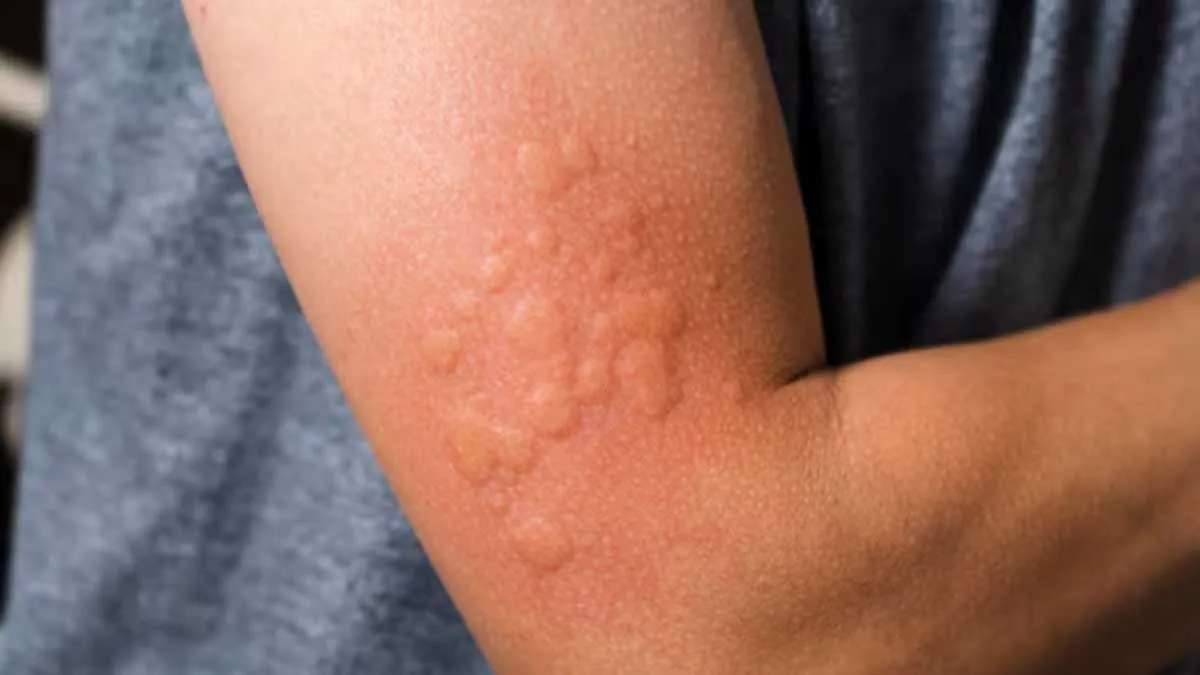
Hives (medically known as urticaria) are itchy, raised bumps or welts on the skin. The release of histamine from immune cells triggers this skin condition. There are various reasons such as allergies or environmental factors that can cause hives. Did you know that anxiety can also trigger hives? To understand the hidden link between anxiety and this skin condition, we interacted with top psychiatrists.
Let us take a look at what our experts, Dr Sharadhi C, Consultant Psychiatry, Aster CMI Hospital, Bangalore, and Dr Murali Krishna, Visiting Consultant, Psychiatry and Counselling Services, Aster RV Hospital, Bangalore, has to say about it.
Anxiety and Skin Hives: What Is the Connection?
Can anxiety cause hives? Answering this, Dr Sharadhi says, “Emotional stress and anxiety can trigger or worsen hives in some people. During periods of stress, the body releases hormones and other chemical messengers that may influence immune responses and contribute to the release of histamine. This causes itching and raised skin welts.” The expert further explains, “However, anxiety is not the only possible trigger. Foods, medicines, infections, heat, pressure and other factors can also cause hives.”
Adding to this, Krishna says, “Many people notice that they develop itchy rashes or hives during periods of intense stress or anxiety. While anxiety itself does not directly cause hives, it can trigger or worsen them in susceptible individuals. Emotional stress activates the body's stress response, leading to the release of chemicals such as histamine from immune cells. Histamine causes blood vessels in the skin to dilate, resulting in raised, red, itchy welts known as hives or urticaria.”

Are Stress and Hives Interconnected?
Dr Krishna says that stress-related hives may appear suddenly and often occur on the arms, legs, chest, neck, or face. “They can vary in size, may come and go within hours, and are sometimes accompanied by a burning or tingling sensation,” he adds.
Shedding light on how stress and hives are interconnected, he says, “In people with chronic urticaria, anxiety can make flare-ups more frequent or more severe, creating a cycle in which itching increases stress; then stress worsens the itching.”
“Although stress can be a trigger, hives may also result from allergies, infections, medications, heat, cold, or autoimmune conditions. Therefore, recurring or unexplained hives should not automatically be attributed to anxiety without medical evaluation,” adds Dr Krishna.
What Study Says About Anxiety Causing Hives
A 2021 study, published in the journal Frontiers in Psychiatry, states that hives is a skin condition that often occurs alongside mental health issues such as anxiety and depression. It adds that for a long time, medical professionals have noticed that patients suffering from chronic hives frequently reported high levels of stress and emotional challenges. This research was aimed to understand exactly how chronic hives lead to feelings of anxiety and depression in young adults.
The researchers collected data from a large group of college students. The data clearly showed a strong link between having chronic hives and experiencing high anxiety. However, the study attempted to understand the hidden chain of events connecting this skin condition to the brain.
The researchers discovered that the physical hives themselves do not directly lead to mental anxiety. Rather, the connection is driven by a frustrating domino effect that starts with the symptom of severe itching. The relentless and unpredictable itching, caused by the hives, makes it challenging for patients to get a proper night's rest. This persistent physical discomfort can directly cause sleep disturbances and chronic daily exhaustion. Over time, this severe lack of quality sleep can take a heavy toll on the patient's emotional well-being, leading to anxiety.
The study concluded that treating the mental health impact of hives needs breaking this specific physical cycle. One needs to effectively manage the itching symptom first; this can cause better sleep in patients, this can naturally help prevent them from developing anxiety.
Tips to Deal With Anxiety-induced Hives
When it comes to treating hives, Dr Sharadhi says, “Stress-management techniques, adequate sleep and identifying personal triggers may help reduce episodes. If hives keep returning, last for several weeks or significantly affect daily life, consult a dermatologist or physician for proper evaluation and treatment.”
On this note, Dr Krishna shares some tips to deal with anxiety-induced hives:
- Treatment should focus on controlling symptoms with antihistamines, when appropriate. Identify any underlying triggers.
- Equally important is stress management.
- Relaxation techniques, meditation, yoga, regular exercise, and adequate sleep can
- Reduce anxiety levels as well. This may decrease the frequency of flare-ups.
“If hives persist for more than six weeks, recur frequently, or are associated with swelling of the lips, tongue, or difficulty breathing, immediate medical attention is essential,” concludes Dr Krishna.
ALSO READ- Is Worsening Anxiety Symptoms Linked To Low Sunlight Exposure? Psychiatrist Weighs In
Conclusion
Anxiety is not the primary or root cause of skin hives. Emotional stress can trigger your body's immune response. This can create a frustrating cycle of itching, poor sleep, and elevated anxiety. Managing these stress-induced flare-ups needs a dual approach: treating the physical symptoms with appropriate medical care while actively reducing your stress levels through relaxation techniques and a healthy lifestyle. However, if your hives stay on for weeks or are accompanied by severe symptoms such as facial swelling, it is important to seek immediate medical attention for a comprehensive evaluation.
FAQ
How do you know if your hives are from anxiety?
You can tell your hives are from anxiety if they appear during or after periods of high emotional stress and you cannot find an external trigger like a new food, soap, or medication.How long will stress hives last?
Stress hives usually last from a few hours to a few days, but an entire breakout can persist for a week or more if stress continues.
All possible measures have been taken to ensure accuracy, reliability, timeliness and authenticity of the information; however Onlymyhealth.com does not take any liability for the same. Using any information provided by the website is solely at the viewers’ discretion. In case of any medical exigencies/ persistent health issues, we advise you to seek a qualified medical practitioner before putting to use any advice/tips given by our team or any third party in form of answers/comments on the above mentioned website.

How we keep this article up to date:
We work with experts and keep a close eye on the latest in health and wellness. Whenever there is a new research or helpful information, we update our articles with accurate and useful advice.
-
Current Version
Sep 14, 2026 17:11 IST
Published By : Shruti Das
Reviewed By : Dr Sharadhi C