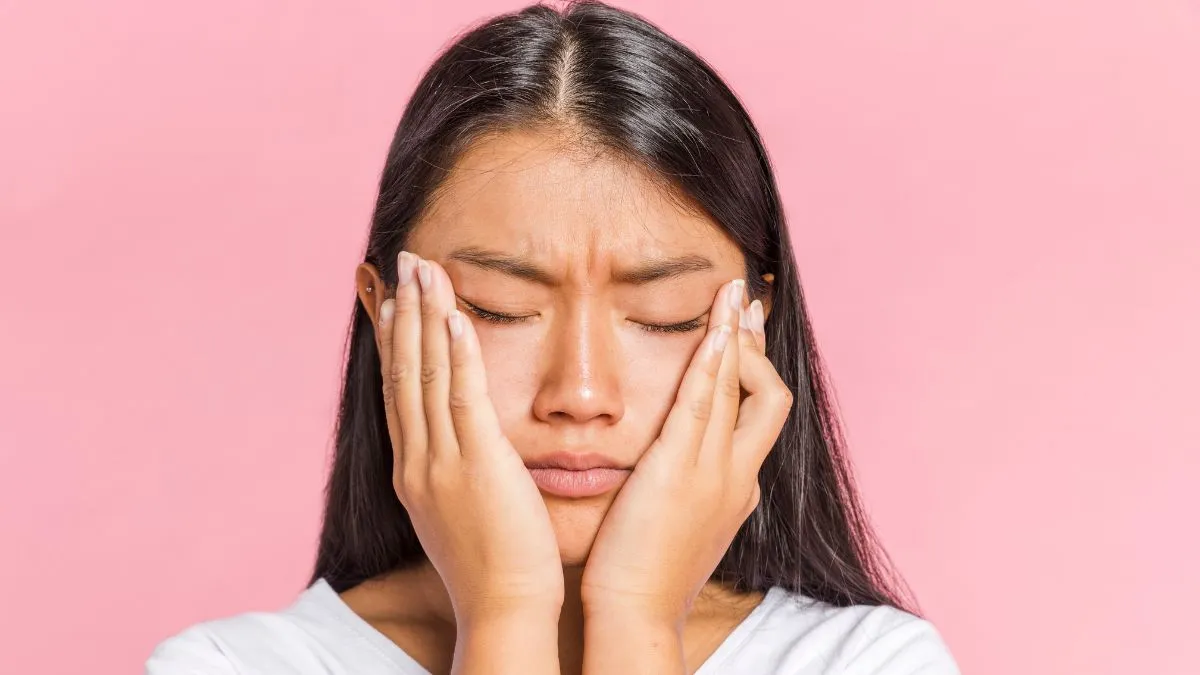
In the modern world that we live in, stress has silently become a perennial issue. Though the main focus is generally on its negative effects on mental health and general well-being, the most noticeable effect on the body is stress reflected through the skin. Among the various skin problems caused by stress are sudden acne breakouts and early wrinkle formation; hence, the skin is always the first to show what the mind is going through.
In an exclusive interaction with the editorial team of Onlymyhealth, Dr Ruben Bhasin Passi, Consultant Dermatologist at CK Birla Hospital, Gurugram, explained that stress is not only a mental burden but also a physical one that is often seen. “Stress is facially seen right away. It affects the hormones, blood flow, and skin repair mechanisms, hence the skin gets all the problems,” she says. Read ahead to know everything she shared with us.
7 Ways Stress Shows Up On Your Face
There are seven typical ways that stress is manifested on our faces. Here’s what our skin may be whispering to us in a different language:
1. Breakouts and Acne Flare-Ups
One of the major reasons for breakouts to occur is the stress hormone, cortisol, which directly triggers oil production in the skin to go up. This oil, also known as sebum, is the main culprit behind the clearing of the pores, which again leads to the formation of acne and even breakouts for those who usually don’t have the problem with pimples. Moreover, the existing acne can also get worse during stressful times.
ALSO READ- Is Your Sperm Healthy? Doctor Explains
 2-skin
2. Dullness and Uneven Skin Tone
A person under stress will usually present a face that looks tired or lacking beauty. Oxygen and nutrients provided to skin cells are reduced due to poor blood circulation coming from prolonged stress. This causes the skin to lose its brightness and sometimes results in uneven skin tone or discolouration.
3. Dark Circles and Puffy Eyes
Stress often disrupts sleep patterns, resulting in dark circles and puffiness around the eyes. Lack of proper sleep leads to weakening of the blood vessels underneath the eyes, making them more noticeable. Along with this, fluid retention caused by stress and tiredness further adds to the swelling under the eyes.
4. Early Fine Lines and Wrinkles
Stress that lasts a long time causes the skin to lose collagen and elastin faster, the proteins whose function is to keep the skin nice and young. This eventually leads to the cultivation of very fine lines and wrinkles at an early stage, especially on the forehead, around the eyes and mouth.
5. Flare-Ups of Skin Conditions
If you are prone to skin problems such as acne, eczema, psoriasis, or rosacea, then stress might be the reason for these problems. "Skin diseases usually become more severe during stressful periods due to the skin's natural barrier getting weaker. This, in turn, makes the skin more irritable and open to getting inflamed,” Dr Passi explained.
ALSO READ- 5 Hidden Dangers of DIY Skincare No One Will Ever Tell You
 2-skin
6. Dry, Sensitive Skin
Stress has a negative effect on the skin's barrier, which leads to a loss of moisture. Consequently, the skin becomes dry, flaky, and feels tight. On top of that, it gets more easily irritated by skincare products, environmental changes, and pollution. Increased skin sensitivity is a common sign of the skin being stressed.
7. Jaw Tension and Frown Lines
A lot of people unknowingly tighten their jaws or scowl when they are under stress. If this happens frequently, the muscle tension could lead to the formation of visible lines around the jaw or make the frown lines between the eyebrows even deeper, thus giving the face a look of being continually tense or exhausted.
Managing Stress for Healthier Skin
Although skincare products may alleviate the symptoms, it is still very important to tackle the issue of stress at its source. Adequate sleep, regular exercise, mindful breathing, hydration, and a balanced diet play a crucial role in restoring skin health. A gentle skincare routine and the use of milder products can also support the skin’s healing during times of stress.
Bottomline
Stress doesn’t just affect our minds; it leaves clear signs on our faces. In fact, stress management is as important for healthy skin as any skincare product that you might apply.
FAQ
1. Can stress really cause acne even in adults?
Yes, stress increases cortisol levels, which boosts oil production and can trigger acne at any age.2. Why does stress make my skin look dull?
Stress slows down the blood flow in the body; therefore, the skin gets less oxygen and nutrients, which leads to a dull complexion.3. Can reducing stress improve skin problems?
Yes, stress management restores hormonal balance and reinforces the skin barrier, thus providing healthier and clearer skin.
All possible measures have been taken to ensure accuracy, reliability, timeliness and authenticity of the information; however Onlymyhealth.com does not take any liability for the same. Using any information provided by the website is solely at the viewers’ discretion. In case of any medical exigencies/ persistent health issues, we advise you to seek a qualified medical practitioner before putting to use any advice/tips given by our team or any third party in form of answers/comments on the above mentioned website.
How we keep this article up to date:
We work with experts and keep a close eye on the latest in health and wellness. Whenever there is a new research or helpful information, we update our articles with accurate and useful advice.
-
Current Version
Jan 07, 2026 12:15 IST
Modified By : Tanya Srivastava Jan 07, 2026 12:15 IST
Modified By : Tanya SrivastavaJan 07, 2026 12:15 IST
Published By : Tanya Srivastava
Reviewed By : Dr Ruben Bhasin Passi