-1788265061493_m.webp)
You finally cave and try that shampoo everyone's raving about. Three days later, your scalp's flaking like never before. Naturally, you blame the new bottle. But is that fair? The short answer: switching shampoo doesn't actually create dandruff out of thin air. What it can do is stir up a tendency your scalp already had, quietly, without you ever noticing.
Here's what's really going on when a new shampoo seems to trigger dandruff, and how to tell whether it's the product or something deeper.
Why Switching Shampoo Doesn't Directly Cause Dandruff?
"Not directly, and this is a genuinely common misunderstanding," says Dr Karuna Malhotra, Cosmetic Skin Clinic, New Delhi. Shampoo switching itself doesn't create dandruff out of nowhere. Dandruff has specific underlying causes.
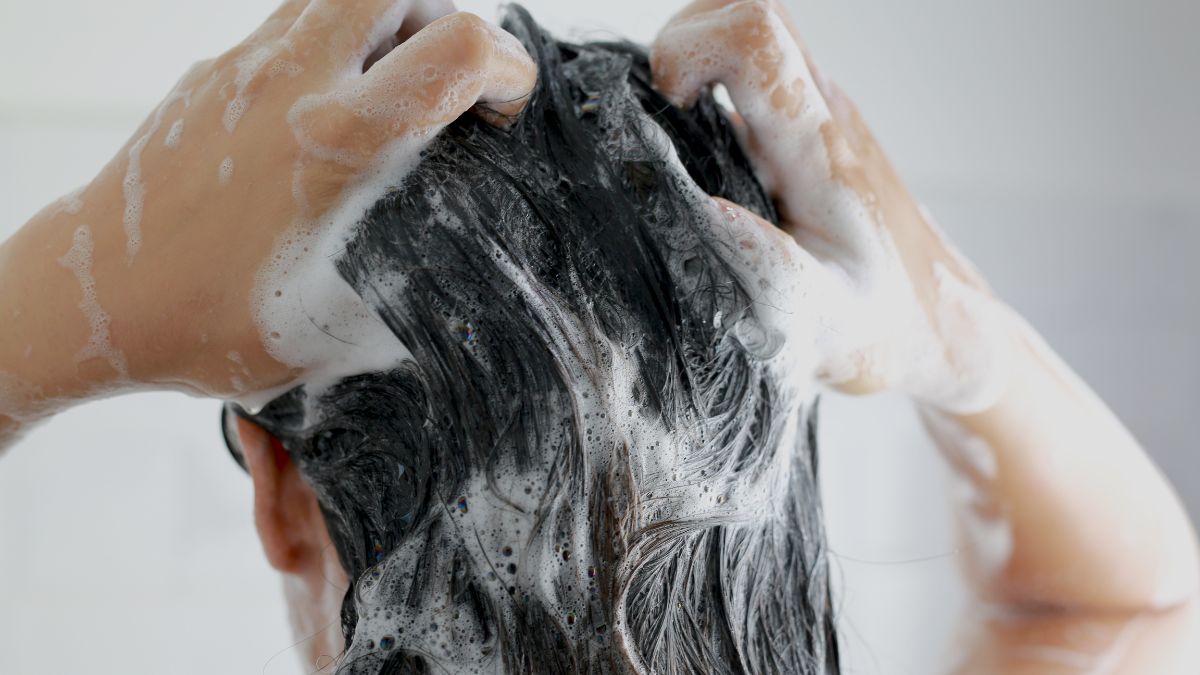
“It is primarily due to a yeast (Malassezia) and oil production as well as sensitivity of the scalp. Switching shampoo can unmask, stimulate or intensify an existing tendency,” she explains. That is why so many people become aware of flaking immediately after use of a product and believe that the product caused it.
ALSO READ- Shaving Your Head to Get Rid of Dandruff? Here's What a Dermatologist Says
Why Does Flaking Often Show Up Right After Switching Shampoo?
Dr Malhotra points to several reasons this happens:
- Your new formula might be more drying or stripping than your old formula. This messes up the moisture equilibrium of your scalp, and causes flaking which is similar to dandruff, though it is actually just irritated.
- A new shampoo might be richer or more moisturising instead. Leftover residue can trap oil, encouraging Malassezia to grow in those already prone to it
- Fragrance, sulfates, or other active ingredients can cause mild contact irritation. It often looks identical to dandruff but is a separate reaction entirely
- Stopping a medicated or anti-dandruff shampoo to try something new is one of the most common reasons flaking suddenly reappears. The underlying yeast overgrowth was being controlled, not cured
- Your scalp can take one to two weeks to adjust to any new product. Flaking during this window is often temporary, not a sign the shampoo is wrong for you
According to a 2025 review in the Journal of Drugs in Dermatology, a compromised scalp barrier significantly increases vulnerability to colonisation by Malassezia yeast. It leads to persistent itching and further deterioration of that protective barrier. This creates a self-perpetuating cycle of damage that can be unintentionally initiated by using an unsuitable shampoo formula. Essentially, when a product fails to maintain the scalp's integrity, it can inadvertently trigger this cycle of irritation and yeast overgrowt
Is There a Difference Between Shampoo-Triggered Flaking and Actual Dandruff?
“Yes and the difference does make a difference,” says Dr Malhotra. The real dandruff manifests itself as flakes that are oily and may have a redness or itchiness. It's not just a one time thing that's associated with a product change, it's a pretty regular pattern.
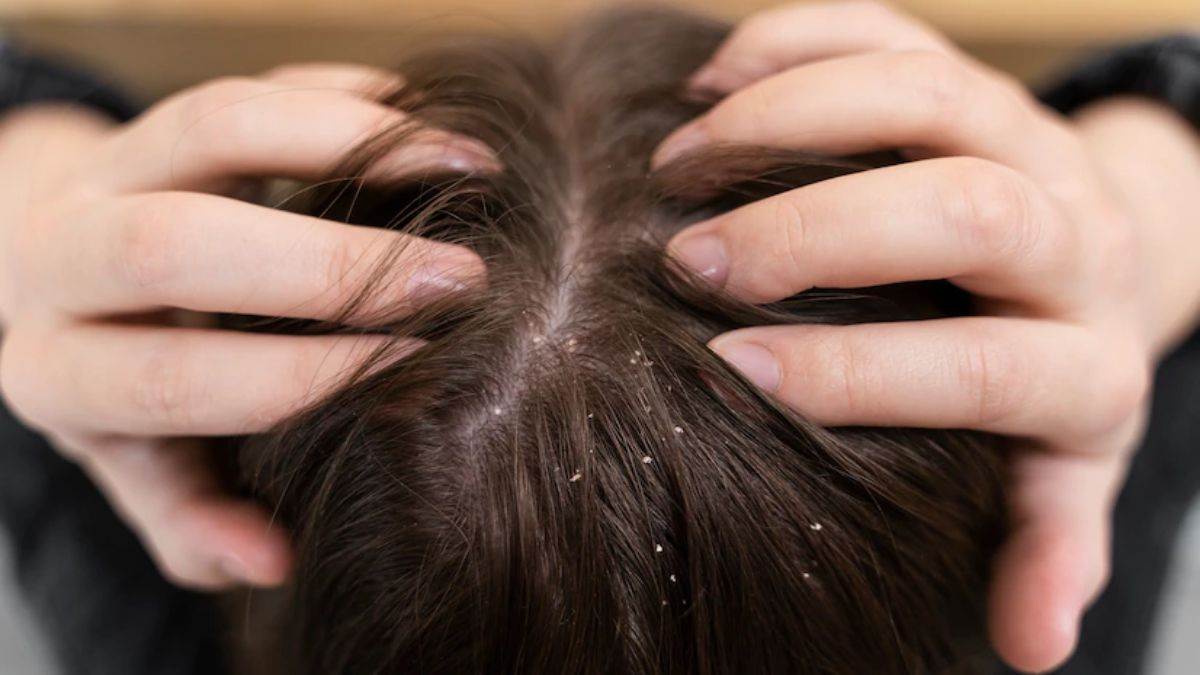
- Irritation after switching tends to be evident immediately after shampoo use. It may be tight, cause a little bit of stinging or the appearance of a drier scalp texture and it is likely to settle down after your scalp adjusts or you discontinue the use of the product.
- If flaking only occurs after switching and returns to normal when switching back to the original product, it is not a true dandruff problem, but rather due to product irritation.
- If the flaking does not stop regardless of the shampoo used, it is a good indicator of a dandruff or seborrhoeic dermatitis tendency. This requires targeted action and not simply a product change.
This lines up with how dandruff is clinically defined too. According to a 2025 review by Canadian Dermatology Association, dandruff is a milder form of scalp inflammation. It is marked by scaling and itching with no visible inflammation, while seborrhoeic dermatitis is more severe, with red, scaly, and inflamed patches.
How Should You Switch Shampoos Without Triggering This?
Dr Malhotra recommends a gradual, careful approach:
- Introduce a new shampoo gradually. Alternate with your previous one for a week or two rather than switching abruptly
- Avoid switching multiple hair or scalp products at once. It makes it much harder to identify what's actually causing a reaction
- If coming off a medicated anti-dandruff shampoo, taper rather than stop abruptly. Or keep using it occasionally alongside the new product to prevent yeast overgrowth from resurfacing
Give any new shampoo at least two to three full weeks before deciding if it's genuinely causing an issue, or if your scalp is simply adjusting
Conclusion
Don't blame the shampoo when you change it if you get dandruff! It may reveal an established pattern, upset the moisture balance of the scalp, or allow overgrowth of yeast to occur after you stop using a medicated product. The majority of flakes occur after a few weeks following a switch. If it does not, or if it does and it gets worse, then it's time to go to a dermatologist and not just switch products yourself.
FAQ
1. Can hard water make flaking worse after switching shampoo?
Yes, mineral deposits on the scalp can be a problem with hard water and can cause dryness or irritation, particularly after changing to a new formula.2. Does washing your hair less often help reduce shampoo-related flaking?
Not necessarily. Oiling too infrequently can allow oil residues and product build-up to occur that could exacerbate flaking in those with a tendency to malassezia overgrowth.
All possible measures have been taken to ensure accuracy, reliability, timeliness and authenticity of the information; however Onlymyhealth.com does not take any liability for the same. Using any information provided by the website is solely at the viewers’ discretion. In case of any medical exigencies/ persistent health issues, we advise you to seek a qualified medical practitioner before putting to use any advice/tips given by our team or any third party in form of answers/comments on the above mentioned website.
How we keep this article up to date:
We work with experts and keep a close eye on the latest in health and wellness. Whenever there is a new research or helpful information, we update our articles with accurate and useful advice.
-
Current Version
Sep 01, 2026 17:51 IST
Published By : Vivek Kumar
Reviewed By : Dr Karuna Malhotra