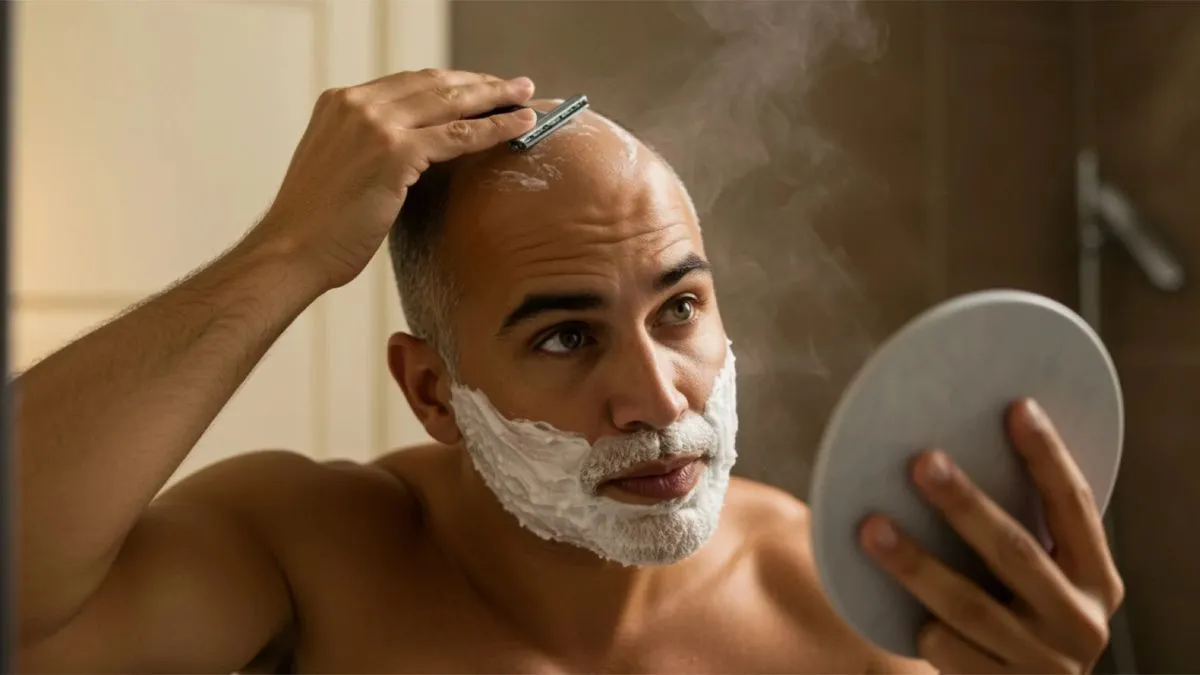
Shaving your head is often associated with hair loss, summer grooming or the hope that hair will somehow grow back thicker. But does removing the hair actually do anything useful for the scalp? It can, but the benefits are mainly practical rather than related to hair growth.
A shaved scalp is easier to see, clean and treat, which may help people manage certain scalp conditions. However, shaving does not change the biology of the hair follicle or make hair grow back thicker. In fact, going bald or shaving your head also means the scalp needs more protection from the sun.
What Are The Real Benefits Of Shaving Your Head?
Dr Karuna Malhotra, Cosmetic Skin Clinic, New Delhi, explains that the authentic advantages are primarily related to a more visible scalp and less complicated maintenance.
Some possible advantages are:
- Skin is easier to monitor: When there is no hair covering the skin, skin changes including moles, redness, sunburn, folliculitis and other unusual skin changes may be easier to notice.
- Easier application of treatments: Medicated products can be applied directly to the scalp instead of getting caught in the hair.
- Reduced build-up of product and oil: Sweating, oil and styling product residue may be less likely to build up on the skin because the hair will not be there.
- Easier to see and track dandruff flaking and/or irritation.
This is not a treatment for these conditions. It just makes it easier to see and access the scalp.
Can Shaving Make Scalp Treatments Work Better?
It can help make application easier, especially if the treatment needs to be applied to the scalp skin. Dr Malhotra adds, "Those suffering from seborrhoeic dermatitis, dandruff or scalp psoriasis would apply a medicated shampoo or topical treatment. Applying a product directly to the affected skin may be easier, if there is less hair in the way."
Research published in 2024 also highlights the importance of getting topical treatment onto the scalp. A Skin Appendage Disorders found that medicated shampoos containing active ingredients like 1% selenium disulfide or 2% ketoconazole reduced scalp seborrheic dermatitis severity and flaking by roughly 70% over four weeks. However, the study evaluated direct scalp application of active treatments rather than the impact of shaving itself.
The study did not examine shaving specifically. So it does not prove that shaving makes treatment more effective. Rather, it supports the broader point that direct scalp treatment is important when managing scalp conditions.
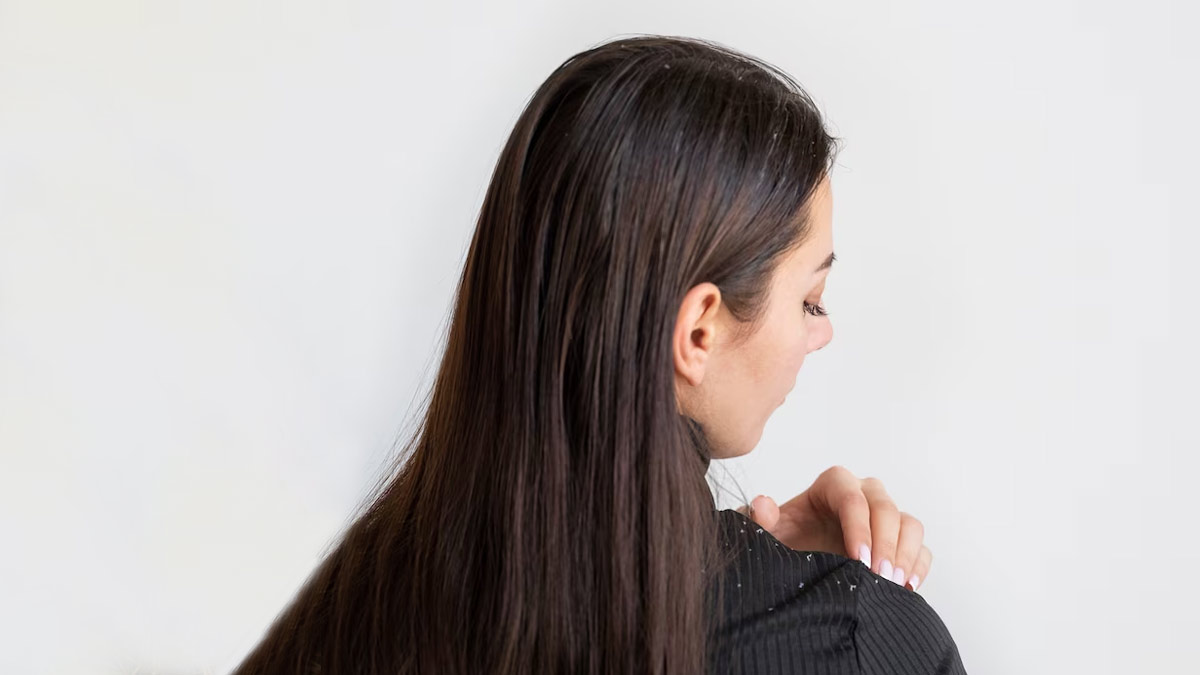
Does Shaving Help With Dandruff?
Not directly. Dr Malhotra explains that “shaving does not cure dandruff or seborrhoeic dermatitis, because these conditions originate in the scalp skin rather than the hair itself.”
What shaving can do is make the problem easier to manage.
You may be able to:
- See flakes more clearly.
- Apply medicated products directly to the scalp.
- Notice redness or irritation sooner.
- Wash away oil and product residue more easily.
So, shaving is a practical aid, not a treatment for the underlying condition.
Does A Shaved Head Give You More Vitamin D?
This claim needs some caution. “The scalp can produce vitamin D when exposed to UVB radiation. So, technically, exposing a shaved scalp to sunlight can contribute to vitamin D production,” according to Dr Malhotra.
But that does not make deliberate scalp sun exposure a good health strategy. As she points out, a bare scalp is also more exposed to sunburn and UV damage. It is advised to use sunscreen on exposed scalp skin or wear a hat when spending time outdoors.
Does Shaving Reduce Hair Folliculitis?
Sometimes, but it depends on why the folliculitis is happening. Certain forms of folliculitis are linked to blocked follicles or ingrown hairs. Removing the hair may reduce one possible trigger.
However, shaving itself can also irritate the skin.
Poor technique can lead to:
- Razor bumps
- Ingrown hairs
- Small cuts
- Irritation
- Razor-related folliculitis
If the scalp is already inflamed, aggressive shaving may make the irritation worse.
Does Shaving Make Hair Grow Back Thicker?
No. “This remains one of the most common myths about shaving. Shaving cuts the hair shaft above the skin. It does not change the hair follicle underneath the skin, which is responsible for producing the hair,” as per Dr Malhotra.
Newly shaved hair can look or feel thicker because the blunt end of the hair is more noticeable as it grows back. That does not mean the follicle has started producing thicker hair.
So shaving your head will not:
- Increase the number of hair follicles.
- Stop male-pattern hair loss.
- Make thinning hair permanently thicker.
- Change your natural hair growth rate.
Are There Any Downsides To Shaving Your Head?
Yes. A shaved scalp needs a little more attention. The main concerns include:
- Sun exposure: Less hair means less physical protection from UV radiation.
- Razor irritation: Frequent shaving can irritate sensitive skin.
- Ingrown hairs: These can occur if hair grows back into the skin.
- Folliculitis: Poor shaving technique can contribute to inflamed follicles.
- Temperature changes: A bare scalp may feel colder in winter and hotter in direct sunlight.
The scalp can also be easier to injure because there is no hair providing even a small amount of physical protection.
Is Shaving Your Head Actually Good For The Scalp?
It can be useful, but it should not be viewed as a health treatment. As Dr Karuna Malhotra explains, “The genuine advantages are mostly about scalp visibility and care, not anything magical happening because the hair is gone.”

For some people, shaving can make it easier to:
- Monitor scalp health.
- Apply medicated treatments.
- Manage oil and product buildup.
- Notice changes earlier.
- But it does not cure dandruff, prevent hair loss or improve hair growth.
The vitamin D argument is also not a good reason to leave the scalp unprotected. Once the head is shaved, sun protection becomes more important, not less.
ALSO READ- Does Facial Hair Grow Back Thicker After Using a Face Razor? Myth Busted
Conclusion
Shaving your head isn't a treatment, but it isn't pointless either. The real value lies in visibility and access. A bare scalp is easier to monitor, easier to treat, and easier to keep clean, which genuinely helps anyone managing dandruff, seborrhoeic dermatitis, or folliculitis. What it won't do is change your hair's biology.
Follicles don't get stronger, thicker or more numerous just because the hair above them is gone. If you do shave, the one thing worth taking seriously is sun protection, since a bare scalp needs it more, not less.
FAQ
Can shaving your head help if you have an oily scalp?
It may make the scalp easier to wash and reduce the amount of hair available to trap oil, sweat and styling products. However, shaving does not stop the scalp from producing oil.How often should you shave your head if you have scalp problems?
There is no fixed medical schedule. If shaving causes redness, bumps or irritation, give the skin time to recover and consider discussing the problem with a dermatologist.
All possible measures have been taken to ensure accuracy, reliability, timeliness and authenticity of the information; however Onlymyhealth.com does not take any liability for the same. Using any information provided by the website is solely at the viewers’ discretion. In case of any medical exigencies/ persistent health issues, we advise you to seek a qualified medical practitioner before putting to use any advice/tips given by our team or any third party in form of answers/comments on the above mentioned website.

How we keep this article up to date:
We work with experts and keep a close eye on the latest in health and wellness. Whenever there is a new research or helpful information, we update our articles with accurate and useful advice.
-
Current Version
Sep 16, 2026 18:34 IST
Published By : Vivek Kumar
Reviewed By : Dr Karuna Malhotra