
Tiny bumps across the forehead are a common skincare concern, but not every bump is acne. Two conditions that are frequently confused are milia and closed comedones. Although both can appear as small, relatively painless bumps, their causes and treatment are different. Identifying the difference is important because trying to squeeze or scrub them away can sometimes make the skin more irritated.
To understand the differences better, we reached out to our expert, Dr Ruben Bhasin Passi, Senior Consultant, Dermatology, CK Birla Hospital, Gurgaon.
What Are Milia?
Before proceeding further, let us try and understand what milia and closed comedones are. “Milia are small cysts containing keratin, a protein naturally found in the skin. They often appear as tiny, firm, white or skin-coloured bumps. Unlike typical acne, milia are not clogged pores caused by excess oil. They can occur around the eyes and cheeks but may also appear elsewhere on the face. Milia can sometimes disappear on their own. Persistent milia may be removed by a trained professional using an appropriate procedure.”
A 2020 study, published in the International Journal of Women's Dermatology, states that milia are tiny, white, dome-shaped cysts on the skin that often appear alongside diseases that cause severe blistering. This study also attempted to understand why some people develop a large number of milia, even in areas where their skin was never injured or blistered.
The researchers discovered that naturally occurring ‘primary’ milia form from tiny hair follicles. On the other hand, ‘secondary’ milia are typically caused by sweat ducts. When milia form after a blister or skin injury, it is because the body is trying to regenerate damaged sweat glands and hair structures. The study notes that an improper connection between skin cells and their surrounding tissue during this healing process can cause the cysts to form.
The research also states that in certain genetic skin conditions, multiple milia can appear completely on their own without any prior blisters. To conclude, the study notes that their exact cause is still a mystery, but scientists believe that immune system reactions and faulty skin repair can be the main reasons behind these stubborn white bumps.
 Milia vs Closed Comedones 1
What Are Closed Comedones?
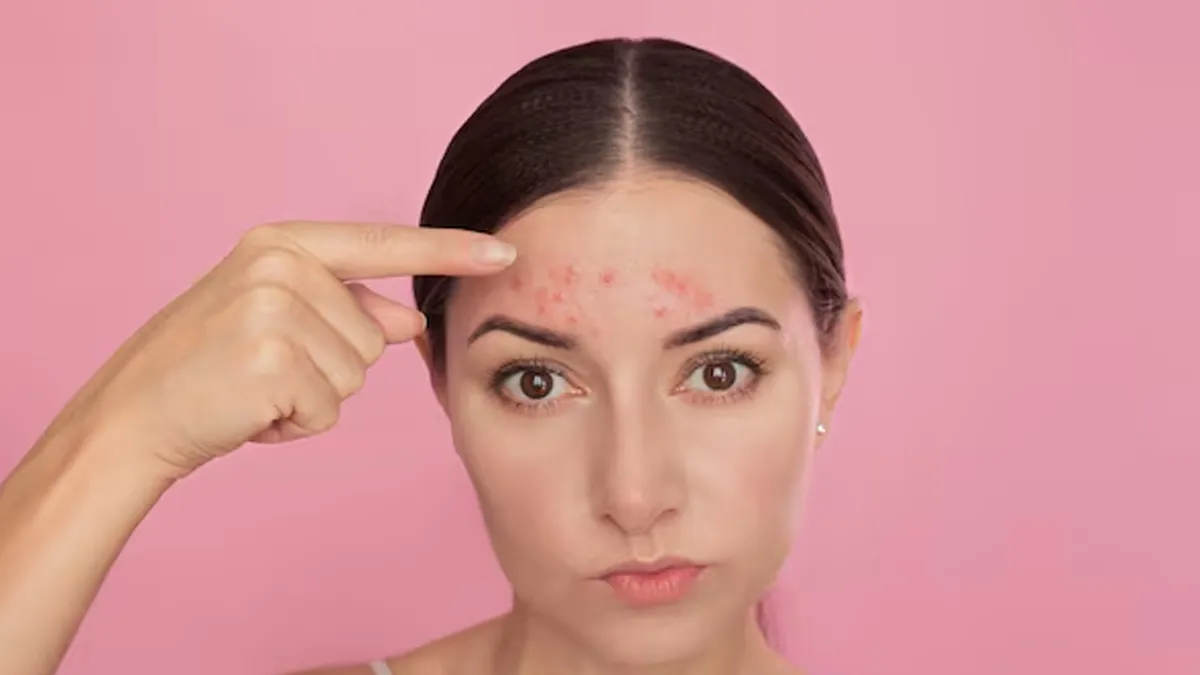
Dr Passi explains, “Closed comedones are a type of acne lesion. They develop when oil and dead skin cells block a hair follicle. They often appear as small flesh-coloured or whitish bumps and can give the skin a rough, uneven texture. Unlike milia, they are directly related to clogged pores.”
According to the Cleveland Clinic, here are the signs of comedonal acne on your skin include:
- Bumpy skin texture: These bumps on the skin can differ in size. Your skin may feel rough, but the bumps may appear to have a solid core.
- Flesh-colored bumps: The bumps generally match the colour of your skin; comedonal acne is not discolored or inflamed.
- Small dark spots: Open comedones (blackheads) appear like specks of black or dirt on your skin.
- White or yellowish bumps: Closed comedones (whiteheads) usually have a slight white or yellow color.
 Milia vs Closed Comedones 2
Milia vs Closed Comedones: How To Differentiate?
Dr Passi says that the the appearance of both milia and closed comedones provides clues, although it is not always possible to make a definite diagnosis at home. On this note, the expert shares some factors under which they can be differentiated:
Appearance
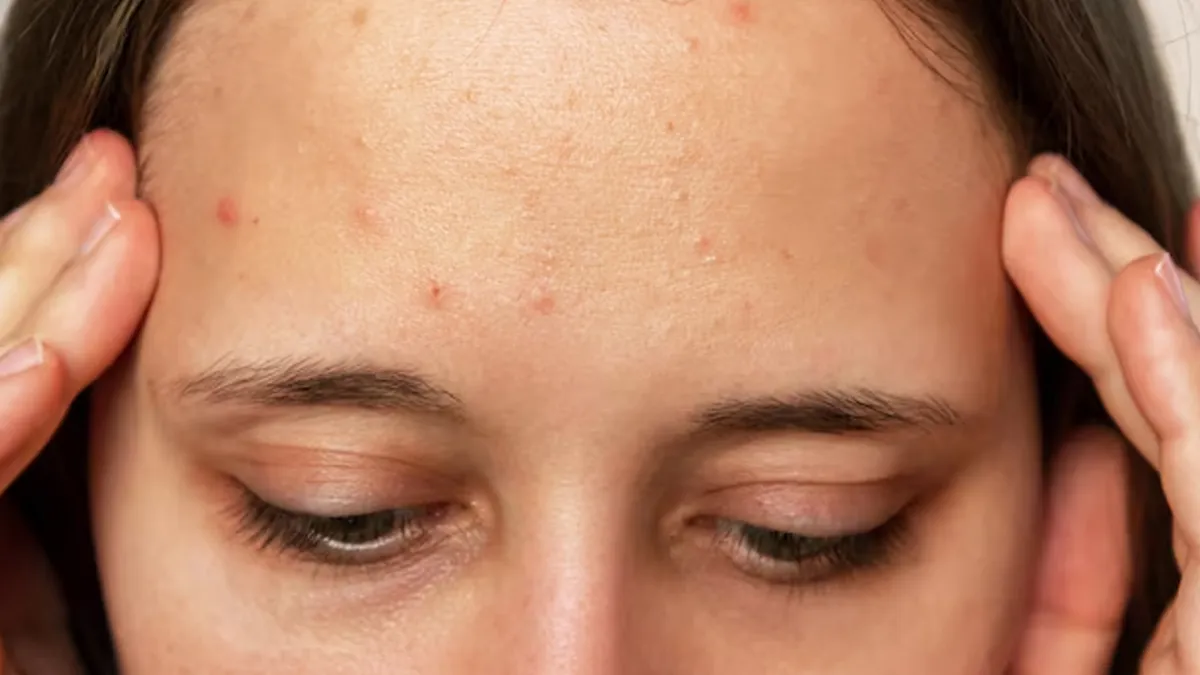
Milia are usually firm, well-defined and pearl-like. Closed comedones tend to be less sharply defined and may occur alongside other signs of acne such as blackheads, whiteheads or inflammatory pimples.
Cause
Milia may develop spontaneously or sometimes after skin injury or certain skin conditions. In babies, milia are especially common and usually resolve naturally.
Closed comedones, meanwhile, are associated with factors such as excess oil production, dead skin-cell accumulation and changes within the hair follicles. Hormonal influences can also contribute to acne.
Treatment
One of the biggest mistakes is trying to squeeze both types of bumps.
Squeezing milia at home can injure the surrounding skin and increase the risk of marks or infection. Closed comedones may respond to acne treatments such as topical retinoids or other appropriate ingredients, but these should be introduced carefully.
A dermatologist can identify the bumps and recommend treatment according to their cause.
 Milia vs Closed Comedones 3
Expert Busts Skincare Myths Related To Acne
Dr Passi clarifies that the myth ‘every tiny white bump is a whitehead’ is not true. Shedding more light on this, the expert says, “Similarly, the belief that aggressive scrubbing can remove all forehead bumps may do more harm than good. Scrubbing can irritate the skin without addressing the underlying cause.”
“People should also be cautious about using multiple acne products at once. More active ingredients do not necessarily mean faster results. For persistent or widespread bumps, especially when they are itchy, painful, rapidly changing or resistant to routine skincare, professional evaluation can prevent unnecessary experimentation,” adds the expert.
“The key message for readers is simple: tiny bumps may look similar on the surface, but their causes can be very different. Correct identification should come before treatment,” concludes Dr Passi.
ALSO READ- Burning Sensation From Skincare Products? 7 Possible Reasons and Tips to Deal With It
Conclusion
Milia and closed comedones may look identical on your forehead. However, they originate from completely different causes and need distinct treatments. Attempting to squeeze or aggressively scrub these stubborn bumps at home is not recommended, as this can cause further irritation and potential scarring. To conclude, always consult a dermatologist to find out the safest and most effective way to accurately diagnose your skin concerns. This can also help you receive a targeted, personalised treatment plan.
FAQ
Can you squeeze out closed comedones?
No, you should not squeeze or pop closed comedones at home, as this can cause further irritation and potential scarring.How can I dissolve milia naturally?
You can dissolve milia naturally by gently encouraging cell turnover and removing dead skin buildup with warm compresses, gentle exfoliation, and lightweight care.
All possible measures have been taken to ensure accuracy, reliability, timeliness and authenticity of the information; however Onlymyhealth.com does not take any liability for the same. Using any information provided by the website is solely at the viewers’ discretion. In case of any medical exigencies/ persistent health issues, we advise you to seek a qualified medical practitioner before putting to use any advice/tips given by our team or any third party in form of answers/comments on the above mentioned website.
How we keep this article up to date:
We work with experts and keep a close eye on the latest in health and wellness. Whenever there is a new research or helpful information, we update our articles with accurate and useful advice.
-
Current Version
Sep 29, 2026 14:11 IST
Published By : Shruti Das
Reviewed By : Dr Ruben Bhasin Passi