
Acne is an extremely common skin problem. But let us tell you that not all acne is the same. In fact, they are of different types, each one requiring different treatments. People often confuse fungal and regular acne due to the similarities in them. However, both have different causes, symptoms, as well as treatment. Today, we will help you understand the differences between fungal acne and regular acne.
To understand this better, we reached out to Dr Shitij Goel, Senior Consultant, Dermatology, Shardacare-HealthCity, Greater Noida.
Fungal Acne vs Regular Acne: How to Tell the Difference?
To understand the difference between the two, we need to first understand what fungal acne and regular acne are. Dr Goel explains, “Fungal acne is a commonly used term for Malassezia Folliculitis, a condition caused by an overgrowth of Malassezia yeast in hair follicles. Despite its name, it is not exactly an acne. Regular acne, or acne vulgaris, develops when pores become clogged with excess oil and dead skin cells, followed by inflammation and bacterial involvement.”
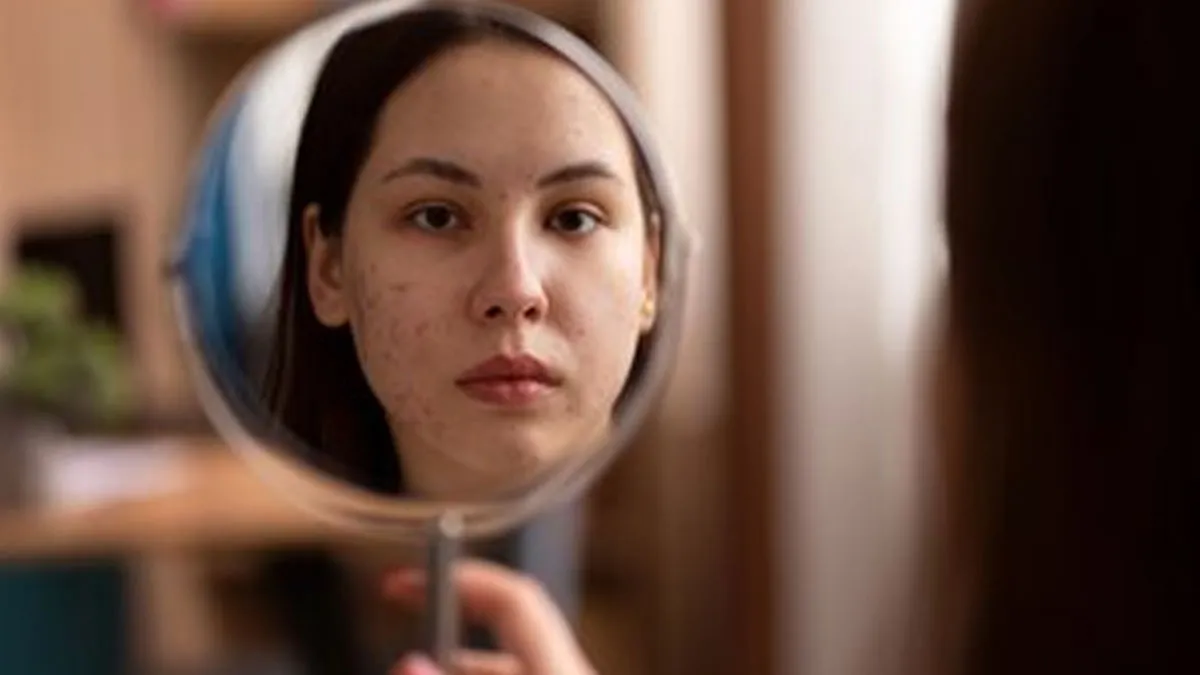
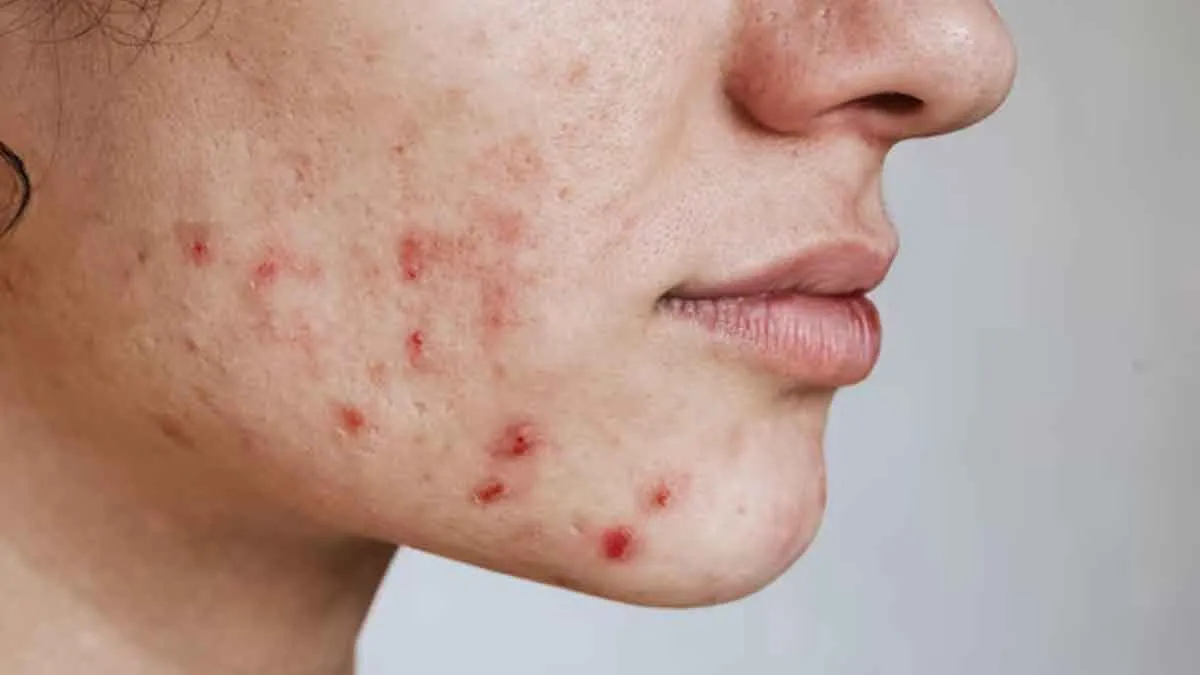
The expert further explains, “One of the easiest differences is the appearance and pattern of bumps. Malassezia folliculitis typically causes many small, uniform, itchy bumps, often appearing on the forehead, hairline, chest, shoulders and upper back. The bumps may become more noticeable in hot, humid weather or after sweating. In contrast, regular acne tends to have a mixture of blackheads, whiteheads, pimples and sometimes deeper, painful cysts. Itching is generally less prominent in conventional acne.”
 fungal vs regular acne 1
Fungal Acne vs Regular Acne: Know Their Causes
A 2014 study, published in the Journal of Clinical and Aesthetic Dermatology, states that fungal acne is not a typical bacterial breakout but rather an infection that develops deep within the hair follicles.
Shedding light on its cause, the study says that it is caused by an overgrowth of a specific type of yeast called Malassezia. This naturally lives on everyone's skin and causes no harm. This yeast feeds on the natural oils produced by our skin's sebaceous glands for survival. This is why breakouts typically occur in oily areas such as the chest, back, forehead, and shoulders.
When the delicate balance of the skin's ecosystem is disrupted, this yeast can rapidly grow and invade the hair follicles. One of the major triggers for this overgrowth is a hot, humid climate, which creates the perfect environment for the yeast to thrive.
On this note, the research states some of the common causes of fungal acne:
- Prolonged use of oral or topical antibiotics can cause fungal acne as it kills off the good bacteria that normally keep yeast in check.
- Medications that suppress the immune system weaken the body's natural defenses. This allows the yeast to flourish unchecked.
- Physical factors such as wearing tight, non-breathable clothing during intense exercise can trap sweat and oil in the skin. This can lead to the yeast's growth.
- Individuals who produce excess sweat or have highly active oil glands during adolescence are also more prone to fungal acne.
 fungal vs regular acne 2
Now let us understand what causes regular acne. According to the Cleveland Clinic, clogged hair follicles or pores can lead to acne. Hair follicles are small tubes that hold a strand of your hair. There are multiple glands that empty into your hair follicles. When excess material is inside your hair follicle, clogging occurs. Your pores can clog with:
- Sebum: An oily substance that gives a protective barrier for your skin.
- Bacteria: Too much bacteria on the skin can clog your pores.
- Dead skin cells: Your skin cells shed regularly to make room for more cells to grow. When your dead skin cells are released, they often get stuck in your hair follicles.
Fungal Acne vs Regular Acne: How To Treat Them?
Dr Goel shares how both of their treatments also differ. Explaining this, the expert says, “Fungal folliculitis may respond to antifungal treatment, while conventional acne is usually managed with ingredients such as benzoyl peroxide, salicylic acid or topical retinoids, depending on its severity. Some oily or occlusive skincare and hair-care products may aggravate Malassezia folliculitis in susceptible individuals.”
 fungal vs regular acne 3
Dr Goel continues, “However, self-diagnosis can be difficult because both conditions can look similar, and a person can have both fungal folliculitis and acne at the same time. Using the wrong treatment may not improve symptoms and can sometimes worsen irritation.”
So when should one seek medical help? “Anyone with persistent, spreading, intensely itchy or treatment-resistant bumps should consider seeing a dermatologist. A clinician can examine the lesions and, when necessary, use tests such as a skin scraping or microscopic examination to establish the diagnosis and recommend appropriate treatment,” concludes Dr Goel.
ALSO READ - Is Acne Common in Pregnancy? Gynaecologist Clarifies
Conclusion
Fungal acne and regular breakouts are often confused as the same. This is because they look similar at first glance. However, they stem from entirely different root causes. An overgrowth of yeast causes the former, while clogged pores lead to regular acne. Using standard acne treatments on fungal acne will not help in their treatment. These may worsen these itchy bumps and may cause skin irritation. To effectively clear your skin and avoid further aggravation, it is always better to consult a dermatologist for an accurate diagnosis and get a targeted and personalised treatment plan.
FAQ
What kills fungal acne naturally?
Natural management of fungal acne focuses on reducing yeast overgrowth using diluted tea tree oil, raw honey masks, and sulfur or zinc-based spot treatments. However, it is advisable to seek medical guidance for its treatment.Does sunlight help fungal acne?
No, the sun does not help fungal acne and often makes it worse.
All possible measures have been taken to ensure accuracy, reliability, timeliness and authenticity of the information; however Onlymyhealth.com does not take any liability for the same. Using any information provided by the website is solely at the viewers’ discretion. In case of any medical exigencies/ persistent health issues, we advise you to seek a qualified medical practitioner before putting to use any advice/tips given by our team or any third party in form of answers/comments on the above mentioned website.
How we keep this article up to date:
We work with experts and keep a close eye on the latest in health and wellness. Whenever there is a new research or helpful information, we update our articles with accurate and useful advice.
-
Current Version
Aug 27, 2026 16:10 IST
Published By : Shruti Das
Reviewed By : Dr Shitij Goel