
When the cold arrives, your skin tells you. It feels tight after a bath, looks flaky on the shins and cracks at the heels. Then comes the shopping dilemma. Should you grab a body lotion or a rich body butter? Both promise soft skin, but they are not the same. So, what does your skin need in winter? It depends on how dry your skin is. Lotion suits mild dryness. Body butter suits very dry, rough or cracked skin. For most people, the best answer is to use both in the right places.
Body Lotion vs Body Butter in Winter: What Is the Difference?
Dr Karuna Malhotra, Cosmetologist, Skin Specialist and Founder, Advanced Skin Clinic, New Delhi says, “It depends on how dry your skin is. Lotion suits mild dryness and oily skin. Body butter suits very dry, rough or cracked skin. For most people in winter, the best answer is to use both in the right places.”
Body Lotion |
Body Butter |
|
Texture |
Light, runny |
Thick, rich |
Main base |
Mostly water, a little oil |
Mostly oils and butters |
How it works |
Hydrates |
Seals moisture in |
Best for |
Mild dryness, oily skin, daytime |
Very dry, rough or cracked skin, night |
Watch-out |
Needs frequent reapplication |
Feels greasy, absorbs slowly |
Dr Malhotra says, “Lotion is mostly water with a little oil. It spreads easily and hydrates, but it seals poorly, and its water evaporates fast. Body butter is mostly oils and butters with little or no water. It is thick, and it works as a strong seal that locks moisture in for hours.”
Why Does Skin Get Drier in Winter?
“Dry winter air pulls water out of your skin, and the skin barrier weakens,” says Dr Malhotra.
A 2022 study in the Journal of the Mechanical Behavior of Biomedical Materials followed volunteers from winter into summer. Water loss through the skin fell by 22.15 per cent, and surface roughness fell by 34.29 per cent. So winter skin loses more water and feels rougher.
How Does a Moisturiser Work? Humectants, Emollients and Occlusives
Dr Malhotra explains that a good moisturiser fixes dry skin in three ways:
- Humectants, such as glycerin, pull water into the skin.
- Emollients, such as fatty acids and ceramides, smooth the gaps between skin cells.
- Occlusives, such as shea butter, cocoa butter and petroleum jelly, form a seal that slows water loss.
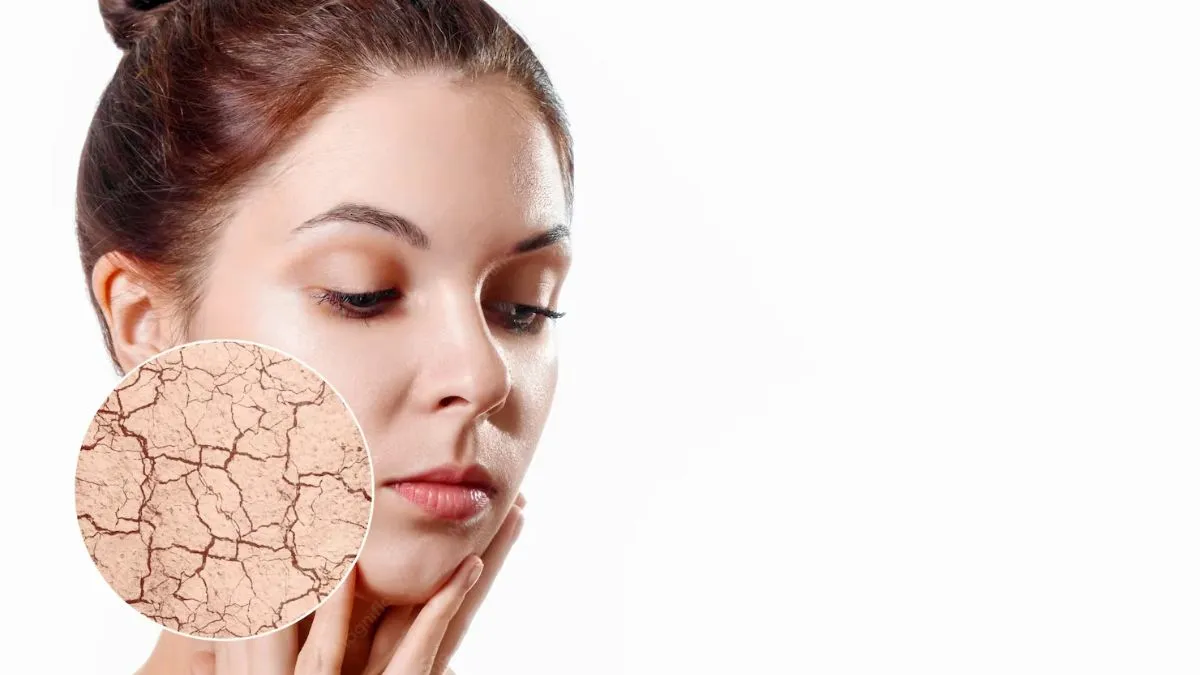 skin in winter
A 2023 review in Skin Pharmacology and Physiology agrees. It found that occlusives, humectants and emollients work in different ways to strengthen the skin barrier. The authors wrote that “moisturizers target each of the layers of the skin barrier.”
Which Is Better for Which Skin Type?
Dr Malhotra advises, “Match the product to the area and the dryness.”
- Mild dryness, humid areas, daytime: lotion
- Oily or acne-prone back, chest and shoulders: light lotion
- Very dry, flaky or tight skin in cold weather: body butter
- Rough elbows, knees and heels: body butter
- Sensitive skin: fragrance-free lotion or butter
- Eczema-prone skin: check with a doctor. A thick, plain cream or ointment is often better.
Drawbacks of Body Lotion and Body Butter
 Body Lotion vs Body Butter
Dr Malhotra warns, “Every moisturiser has a trade-off.”
- Lotion: It needs frequent reapplication. Some contain alcohol or fragrance that can sting dry skin.
- Body butter: It feels greasy, absorbs slowly and can stain clothes. Heavy butters may clog pores on the back or chest in acne-prone skin.
How to Use Lotion and Body Butter in Winter
“Apply within three minutes of a lukewarm bath, while skin is slightly damp. This traps water,” says Dr Malhotra.
- Use lotion all over in the morning.
- Add body butter at night on very dry areas.
- Choose ceramides, glycerin, urea or shea butter. Skip heavy fragrance.
- Take shorter, lukewarm showers. Hot water strips natural oils.
When to See a Dermatologist
Dr Malhotra says to see one if you have:
- Skin that cracks, bleeds or is intensely itchy
- A red, scaly rash that does not settle in one to two weeks
- Dryness that does not improve with regular moisturising
ALSO READ- Why Are Your Hands So Dry in Winter? A Dermatologist Explains
Conclusion
You do not have to choose one. Use a light lotion for daily hydration, and a body butter to seal very dry, rough areas at night. Apply after bathing, while skin is damp. If dryness does not improve, see a dermatologist.
FAQ
1. Is Body Butter the Same as Body Cream or Ointment?
No. Creams contain both water and oil. Ointments are mostly oil. Body butters sit closer to ointments, because they are thick and rich in oils and butters. Product names are not strict, so check the ingredients.2. Can You Use Body Butter on Your Face?
It is best not to. Body butters are heavy, and they can clog facial pores. Use a cream made for the face, especially if your skin is oily or acne-prone.
All possible measures have been taken to ensure accuracy, reliability, timeliness and authenticity of the information; however Onlymyhealth.com does not take any liability for the same. Using any information provided by the website is solely at the viewers’ discretion. In case of any medical exigencies/ persistent health issues, we advise you to seek a qualified medical practitioner before putting to use any advice/tips given by our team or any third party in form of answers/comments on the above mentioned website.
How we keep this article up to date:
We work with experts and keep a close eye on the latest in health and wellness. Whenever there is a new research or helpful information, we update our articles with accurate and useful advice.
-
Current Version
Nov 06, 2026 12:33 IST
Published By : Vivek Kumar
Reviewed By : Dr Karuna Malhotra