
Every winter, the same thing happens. Your hands feel tight, look rough and show fine lines you did not notice in summer. Cracks may appear on the knuckles. It can feel as if your hands have aged overnight. So, why does this happen? Winter strips moisture from your skin, and hands lose it fastest. The air is dry, and you probably wash your hands often. Hands also make very little natural oil. Read on to learn what happens inside the skin, what research shows, and how to bring your hands back to normal.
Why Do Your Hands Become Rough and Wrinkled in Winter?
Dr Karuna Malhotra, Cosmetologist, Skin Specialist and Founder, Advanced Skin Clinic, New Delhi says, “Winter strips moisture from your skin, and hands lose it fastest. The air is dry, and you probably wash your hands often. Hands also make very little natural oil, so they dry out quickly and look rough, tight and wrinkled.”
Why Are Hands Hit Harder Than Other Body Parts?
“The palms have no oil glands at all, and the backs of the hands have very few,” says Dr Malhotra. “Your face has many more, so it stays softer.”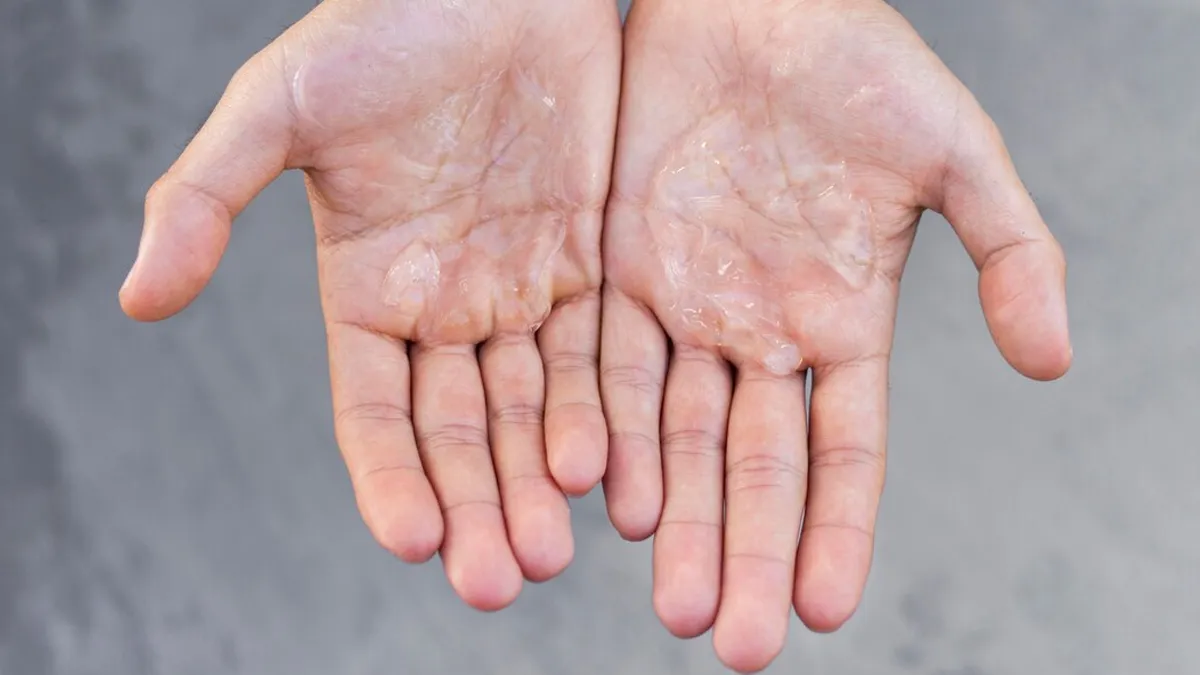 hands dry in winter
- Thin skin. The back of the hand has little fat underneath, so dryness and fine lines show easily.
- Constant exposure. Hands are uncovered to cold air, wind and heaters.
- Frequent washing. Hand washing, dish washing and sanitiser remove natural oils again and again.
What Happens to the Skin on Your Hands in Winter?
Dr Malhotra explains it as a brick wall. “The ‘bricks’ are skin cells, and the ‘mortar’ is a mix of fats such as ceramides. In dry, cold air and with hot water or soap, this mortar breaks down.” Water escapes, and the surface turns rough and flaky. This is a damaged skin barrier.
Research supports this:
A 2022 study in the Journal of the Mechanical Behavior of Biomedical Materials tracked volunteers through the move from winter to summer. Water loss through the skin fell by 22.15 per cent, and surface roughness fell by 34.29 per cent. So winter skin loses more water and feels rougher.
Why Do Hands Look Wrinkled, Not Only Dry?![hands in winters]() hands in winters
 hands in winters
“Dry skin forms fine, shallow lines,” says Dr Malhotra. “These often soften within days of regular moisturising.”
- Loss of plumpness. The skin on the back of the hands loses fat and collagen with age, so wrinkles show more.
- Sun damage. Hands get sun all year. Sun adds early wrinkles and brown spots, and winter dryness makes them more obvious.
- Cold. It narrows blood vessels, which can leave skin looking dull and tight.
Everyday Habits That Make Winter Hands Worse
Dr Malhotra warns, “Hand washing, dish washing and sanitiser remove the skin’s natural oils again and again.”
A 2022 Journal of Education, Health and Sport review looked at hand eczema in healthcare workers during COVID-19. Risk rose with frequent use of hand hygiene products, alcohol sanitisers and gloves. The authors said “hand washing and the use of disinfectants disrupt the natural skin barrier function.” Preventive skincare lowered the risk. It was not a winter study, but the same barrier damage applies.
Habits to avoid:
- Very hot water
- Strong, fragranced soaps
- Many sanitiser uses a day
- Not drying hands properly
- Washing dishes or clothes without gloves
- Sitting close to room heaters and blowers
- Applying moisturiser only at night
- Wearing woollen gloves directly on dry skin
- Picking at flaking skin
Who Is More Likely to Have Rough, Wrinkled Hands in Winter?
People who wash their hands often, such as healthcare workers, cooks, cleaners and parents of young children
- Homemakers who handle dishwashing and laundry
- People with eczema, asthma or hay fever
- Older adults, whose skin makes less oil
- People with diabetes or thyroid disease
- Anyone working outdoors in the cold
How to Treat and Soothe Rough Hands in Winter
Dr Malhotra advises, “Apply a thick cream or ointment after every hand wash, and several times a day. Putting it on while hands are still slightly damp helps seal water in.”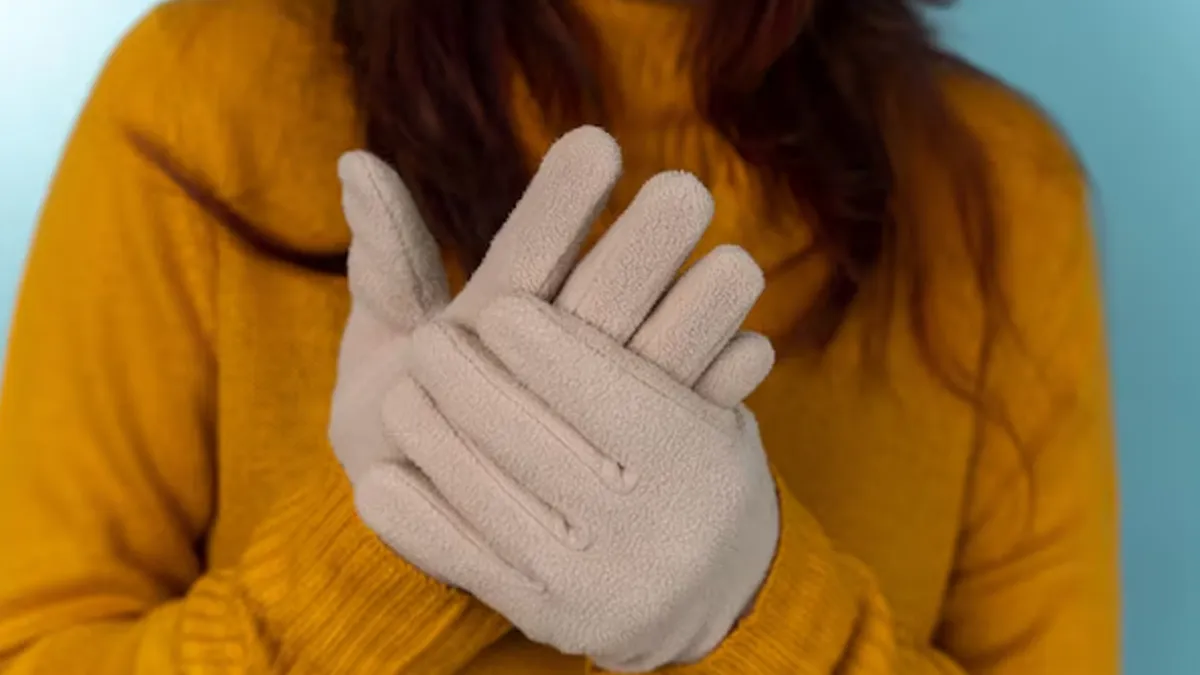 treat hands in winters
- Choose creams or ointments with ceramides, glycerin, urea or petroleum jelly. They work better than light lotions.
- Overnight: apply a generous layer, then wear clean cotton gloves.
- Wash with lukewarm water and a mild, fragrance-free cleanser. Pat dry.
- Wear rubber gloves for chores, ideally with a cotton liner.
- Wear soft gloves outdoors.
- Use a humidifier if indoor air is very dry.
- Choose a moisturising sanitiser, and moisturise afterwards.
- Use sunscreen on the backs of your hands.
Are Home Remedies Safe for Dry, Cracked Hands?
“Plain petroleum jelly, and plain coconut or mustard oil for those who tolerate them, are commonly used to seal in moisture,” says Dr Malhotra. “Avoid lemon, vinegar and scrubs on cracked skin, since they sting and can irritate. Patch test anything new.”
When to See a Dermatologist
Dr Malhotra says see one if you have:
- Cracks that bleed or hurt
- Red, itchy or blistering skin that does not settle in one to two weeks
- Pus, swelling, warmth or crusting
- A rash that spreads
- Thick scaly patches
- Dryness that does not improve with regular moisturising
- Dry skin with tiredness, weight changes or excessive thirst
ALSO READ- Flaky Eyelids in Changing Weather: When Is It More Than Just Dry Skin?
Conclusion
Hands turn rough in winter because they have few oil glands, thin skin and constant exposure to cold air, hot water and soap. Moisturise often, use lukewarm water, wear gloves for chores and protect your hands from the sun. If the skin cracks, bleeds or becomes red and itchy, see a dermatologist.
FAQ
1. Does Drinking More Water Cure Dry Hands in Winter?
Not on its own. Staying hydrated is good for you. But hand dryness comes from water loss through a weakened outer barrier. A thick moisturiser used often does more.2. Is Scented Hand Cream Safe for Sensitive Skin?
Fragrance can irritate dry or cracked skin. Choose a fragrance-free cream, and patch test any new product on a small area first.
All possible measures have been taken to ensure accuracy, reliability, timeliness and authenticity of the information; however Onlymyhealth.com does not take any liability for the same. Using any information provided by the website is solely at the viewers’ discretion. In case of any medical exigencies/ persistent health issues, we advise you to seek a qualified medical practitioner before putting to use any advice/tips given by our team or any third party in form of answers/comments on the above mentioned website.
How we keep this article up to date:
We work with experts and keep a close eye on the latest in health and wellness. Whenever there is a new research or helpful information, we update our articles with accurate and useful advice.
-
Current Version
Nov 05, 2026 11:43 IST
Published By : Vivek Kumar
Reviewed By : Dr Karuna Malhotra