
You finish a meal, and within minutes, nature calls. If this sounds familiar, you're not alone, and there's nothing wrong with you. "This happens because eating triggers a natural reflex in the digestive system that signals the colon to make room for incoming food by moving existing waste along," says an expert. Here is what she wants people to understand about this surprisingly common bodily response.
What the Gastrocolic Reflex Actually Is
"The gastrocolic reflex is the body's natural response to eating, where the stomach stretching from food intake signals the colon to increase its movement, called peristalsis," Dr Anupama N K, Consultant Medical Gastroenterology, Aster CMI Hospital, Bangalore, explains.
"This helps push existing contents through the digestive tract to make space for the newly consumed food," she says. "It's a completely normal physiological process, though its intensity varies quite a bit from person to person."
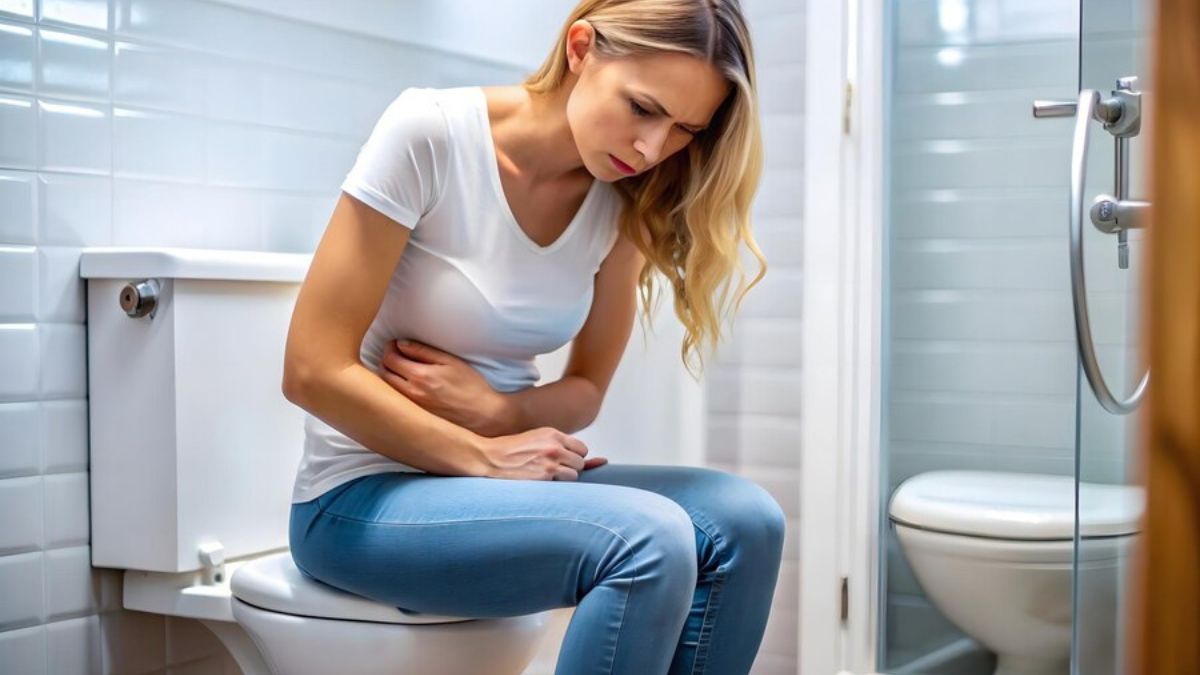
According to a 2023 StatPearls physiology review, the gastrocolic reflex is the body's response to eating that speeds up movement in the colon, making room for more food. When food stretches the stomach, nerve signals travel to the colon and trigger stronger contractions. This urge to go often happens within minutes of eating.
The reflex is most active in the morning and right after meals. Interestingly, it's linked to conditions like irritable bowel syndrome, where the response can be much stronger than normal, causing more urgent symptoms.
ALSO READ- Night Binge Eating: Expert Shares Causes and Tips to Stop Late-Night Food Cravings
What Causes a Stronger Gastrocolic Reflex in Some People?
According to Dr Anupama, several factors can make this reflex more noticeable or intense:
A naturally stronger gastrocolic reflex in certain individuals, which is often just normal variation. Eating large or high fat meals, which tend to trigger a more intense reflex response. Conditions like irritable bowel syndrome, where the gut is more sensitive and reactive to this reflex.
Drinking hot beverages like coffee, which can independently stimulate bowel activity alongside the reflex. Food intolerances, where certain foods trigger a stronger digestive response beyond the typical reflex. Anxiety or stress, which can heighten gut sensitivity and intensify the reflex in some people.
Is Needing to Poop After Eating Normal, or a Sign of Something Serious?
"In most cases, it's completely normal and simply reflects a more active gastrocolic reflex," Dr Anupama says, "especially if it's been a consistent, lifelong pattern without other symptoms."

She adds an important distinction. "It becomes worth paying attention to when it's a new change, is accompanied by other symptoms, or significantly disrupts daily life."
When Should You See a Doctor About This?
Dr Anupama is specific about the situations that warrant medical evaluation:
If it's a new pattern that wasn't present before, rather than a lifelong tendency. If accompanied by symptoms like blood in stool, unexplained weight loss, or persistent abdominal pain. If diarrhoea or urgency is severe enough to interfere with daily activities or work. If there are other digestive symptoms like bloating, alternating constipation and diarrhoea, or nausea alongside it. If it started after a specific illness, medication change, or seems linked to particular foods consistently. If there's a family history of inflammatory bowel disease or colorectal cancer, which warrants earlier evaluation of any new bowel changes.
How Can You Manage or Reduce a Strong Gastrocolic Reflex?

Dr Anupama shares several practical steps for those who find this reflex disruptive:
- Eating smaller, more frequent meals rather than large ones, which can reduce the intensity of the reflex.
- Identifying and reducing trigger foods, particularly high-fat or spicy meals if they seem to worsen symptoms.
- Managing stress, since anxiety can heighten gut sensitivity in susceptible individuals.
- Staying hydrated and maintaining a balanced, fibre-appropriate diet to support overall digestive health.
- Keeping a food and symptom diary if the pattern seems linked to specific foods, which can help identify triggers.
She adds one important caution. "Consulting a doctor for further evaluation is worthwhile if any concerning symptoms accompany the pattern, rather than assuming it's always just the normal reflex."
Why This Reflex Isn't Something to Feel Embarrassed About
It's a common source of quiet worry or embarrassment, but Dr Anupama's explanation reframes it as simply the digestive system doing its job efficiently. "The gut is designed to make room for new food," she says, "and for some people, that process is just faster and more noticeable than for others." Understanding the biology behind it takes away much of the mystery, and the unnecessary self-consciousness that often comes with it.
ALSO READ- Does Eating Meat Increase Uric Acid? Dietitian Weighs In
Conclusion
Needing to poop shortly after eating is, in most cases, a completely normal result of the gastrocolic reflex, not a sign that something is wrong. Its intensity varies from person to person, and certain foods, stress, or underlying conditions can make it more noticeable. Paying attention to new changes or accompanying symptoms, rather than the reflex itself, is what actually matters for knowing when to seek medical advice.
FAQ
Does the gastrocolic reflex weaken or change as people get older?
The reflex itself doesn't necessarily weaken with age, but overall bowel habits and gut sensitivity can shift over time due to various factors, including diet, medication use, and underlying health conditions. Any noticeable change in bowel patterns with age is still worth mentioning to a doctor, particularly if it's a departure from a person's usual pattern.Can certain medications make the gastrocolic reflex feel stronger than usual?
Yes, some medications, including certain antibiotics, laxatives, or drugs that affect gut motility, can influence how strongly the gastrocolic reflex is felt. If a new or worsened reflex pattern coincides with starting a new medication, it's worth discussing this with a doctor or pharmacist to understand if there's a connection.
All possible measures have been taken to ensure accuracy, reliability, timeliness and authenticity of the information; however Onlymyhealth.com does not take any liability for the same. Using any information provided by the website is solely at the viewers’ discretion. In case of any medical exigencies/ persistent health issues, we advise you to seek a qualified medical practitioner before putting to use any advice/tips given by our team or any third party in form of answers/comments on the above mentioned website.

How we keep this article up to date:
We work with experts and keep a close eye on the latest in health and wellness. Whenever there is a new research or helpful information, we update our articles with accurate and useful advice.
-
Current Version
Aug 07, 2026 18:53 IST
Published By : Vivek Kumar
Reviewed By : Dr Anupama N K