
Constipation can make even a normal morning feel uncomfortable. That is why simple remedies such as drinking hot or warm water have become popular. Many people swear by a glass soon after waking up to get their bowel moving. But does the temperature of the water really make a difference?
It may help a little, but hot water is more of a gentle nudge than a treatment for constipation. Drinking fluid can support hydration and may trigger the gastrocolic response, while warmth may feel more soothing for some people. The bigger question is whether relying on hot water alone can actually fix constipation. Here is what an expert says.
Can Hot Water Actually Help You Pass Stool?
“To some extent, yes,” explains Dr Vishal Khurana, Director & HOD - Gastroenterology & Hepatobiliary Sciences Metro Heart Institute, Faridabad, , “though it's more of a gentle supporting habit than a genuine treatment for constipation.”
Warm or hot water may help by supporting hydration and giving gut movement a mild stimulus. However, the temperature itself may not be doing all the work.
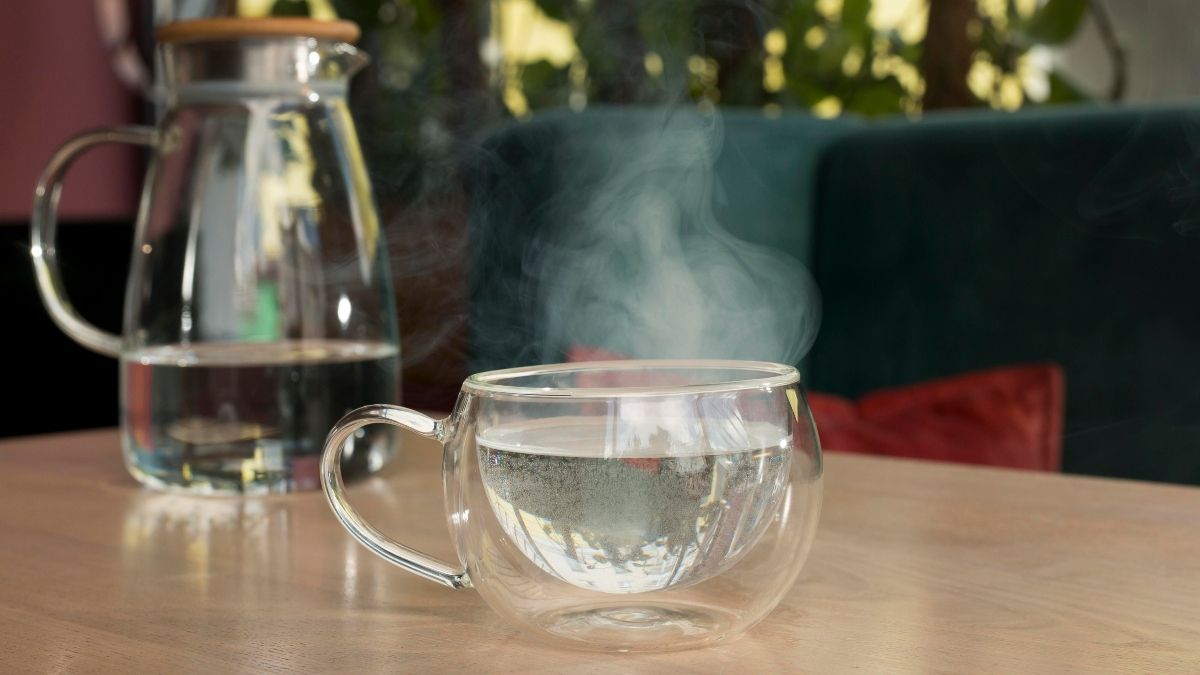
Dr Khurana explains that drinking fluid can stimulate the gastrocolic reflex, a natural increase in colon activity after food or fluid enters the digestive system. This can create the urge to pass stool.
Recent research continues to support the importance of this response. A 2026 Front. Pharmacol. review described how eating activates neural and hormonal pathways that increase colonic activity, with the response often most pronounced in the morning.
So, that morning urge may have more to do with your body's natural bowel rhythm than simply drinking hot water.
Is Hot Water Better Than Cold Water For Constipation?
Possibly, but the evidence is not strong enough to call it a special treatment. Dr Khurana says, “Warm water is thought to relax the smooth muscle of the digestive tract slightly more than cold water, which may support gut motility to a modest degree.”
Warm fluids may also feel more comfortable if you have bloating or a sluggish stomach. But drinking any fluid contributes to your overall fluid intake.
There is very little recent human research directly comparing hot water with cold or room-temperature water for constipation in otherwise healthy people. Some older physiological research suggested that warmer fluids may be less disruptive to gut transit than cold exposure, but this does not prove that hot water treats constipation.
That distinction matters because a remedy can feel helpful without being a standalone treatment.
Could The Morning Timing Be More Important Than The Water Temperature?
For some people, yes. The bowel is naturally more active at certain times, especially after waking and after meals. Drinking a glass of warm water in the morning may simply coincide with this natural increase in bowel activity.
Dr Khurana says, “Some people find warm water particularly helpful first thing in the morning, taking advantage of the body's natural morning increase in colon activity, alongside the gastrocolic reflex.”
A 2026 Frontiers in Pharmacology review also noted that meal-related colonic activity is particularly pronounced in the morning, when some of the body's gastrointestinal responses are stronger. That may explain why people often report that their morning cup of warm water works best.
Why Hydration Still Matters For Constipation
One important point is easy to miss. It is your overall fluid intake that matters, not just one glass of hot water. Dr Khurana explains that insufficient fluid intake can contribute to constipation, particularly when dietary fibre is increased without enough water.
In other words, adding fibre while barely drinking enough fluids is not a great strategy. Fibre needs adequate fluid to work properly.
What Happens If You Rely Only On Hot Water?
This is where the simple remedy can become misleading. Dr Khurana warns that hot water will not address common causes such as:
- Low fibre intake
- Overall inadequate fluid intake
- Low physical activity
- Certain medicines
- Repeatedly ignoring the urge to pass stool
“Relying solely on it, especially for persistent constipation, risks delaying attention to the actual cause,” Dr Khurana says.
A 2023 clinical guideline from the American Gastroenterological Association reviewed evidence for different treatments for chronic idiopathic constipation. The guideline strongly recommends several evidence-based medicines, including polyethylene glycol, while fibre and some other options received conditional recommendations.
This does not mean everyone with constipation needs medicine. It does mean that persistent constipation deserves more than home remedies alone.
What Actually Helps Constipation More Reliably?
Think of hot water as one small part of a bigger routine.
Dr Khurana recommends:
- Increase fibre gradually: Fruits, vegetables, whole grains and legumes can help add bulk to stool.
- Drink enough throughout the day: Do not rely on one morning drink.
- Stay physically active: Regular movement can support bowel function.
- Create a bathroom routine: Trying to go after a meal can work with the gastrocolic response.
- Do not ignore the urge: Regularly delaying bowel movements can make the problem harder to manage.
When Does Constipation Need Medical Attention?
Do not keep trying home remedies if constipation is persistent or accompanied by warning signs.
See a doctor if:
- Constipation continues for several weeks despite lifestyle changes.
- You have persistent abdominal pain or significant bloating.
- Your stool becomes noticeably different in shape or calibre.
- There is blood in the stool.
- You lose weight without trying.
- You have ongoing fatigue.
- Constipation alternates unexpectedly with diarrhoea.
- You have a family history of colorectal cancer or inflammatory bowel disease.
Dr Khurana also recommends medical advice if over-the-counter remedies are not providing meaningful relief.
ALSO READ- Why Do You Need to Poop Right After Eating? Doctor Explains The Science Behind It
Conclusion
Hot water may help you pass stool, but it is not because the temperature is doing something dramatic to your bowel. It may provide a mild stimulus, feel soothing and contribute to hydration. The morning timing may also work in your favour because the gut naturally becomes more active after waking and eating.
But lasting relief from constipation usually comes from the bigger picture: enough fibre, adequate fluids, regular movement and a consistent bathroom routine. Hot water is a reasonable, low-risk habit to include as part of a broader routine, but it shouldn't be mistaken for a solution on its own.
FAQ
How long after drinking hot water might you feel the urge to pass stool?
There is no fixed time. Some people may feel an urge within minutes, particularly in the morning or after food, while others may notice no immediate effect. The response varies depending on bowel habits, diet and the underlying cause of constipation.Can drinking too much hot water make constipation worse?
The temperature itself is unlikely to cause constipation, but drinking very hot water can burn the mouth or digestive tract. Water should be comfortably warm rather than scalding. More water is also not automatically better if your overall fluid intake is already adequate.
All possible measures have been taken to ensure accuracy, reliability, timeliness and authenticity of the information; however Onlymyhealth.com does not take any liability for the same. Using any information provided by the website is solely at the viewers’ discretion. In case of any medical exigencies/ persistent health issues, we advise you to seek a qualified medical practitioner before putting to use any advice/tips given by our team or any third party in form of answers/comments on the above mentioned website.

How we keep this article up to date:
We work with experts and keep a close eye on the latest in health and wellness. Whenever there is a new research or helpful information, we update our articles with accurate and useful advice.
-
Current Version
Sep 22, 2026 12:44 IST
Published By : Vivek Kumar
Reviewed By : Dr Vishal Khurana