
Our skin reacts differently to different products. At times, we may experience a temporary increase in breakouts. This happens when a new skincare product speeds up our skin cell turnover rate. This is known as skin purging. But whenever we experience breakouts after trying out a new skincare product, we jump to the conclusion that it may be skin purging. What we are experiencing could also be acne. But how to differentiate between the two?
To understand the differences between skin purging and acne, we reached out to our expert, Dr Ruben Bhasin Passi, Senior Consultant, Dermatology, CK Birla Hospital, Gurgaon.
Skin Purging vs Acne: 6 Ways to Differentiate
Dr Passi says that a sudden appearance of pimples after starting a new skincare product often creates confusion. The expert explains, “Some people immediately assume that their skin is ‘purging’ and continue using the product, while others stop everything because they believe they are experiencing an acne breakout.”
She adds, “We want to point out that these two situations are not interchangeable. Understanding the difference can prevent people from continuing a product that is actually irritating their skin.” On this note, the expert shares 6 ways you can differentiate between skin purging and acne breakout:
1. The type of product matters
Skin purging is generally associated with products that increase the rate at which skin cells are shed or bring existing blockages to the surface. Ingredients such as retinoids and certain exfoliating acids can sometimes cause this temporary reaction.
A moisturiser, sunscreen or a product without an ingredient known to influence cell turnover is less likely to cause true purging.
 skin purging 1
2. Where the pimples appear
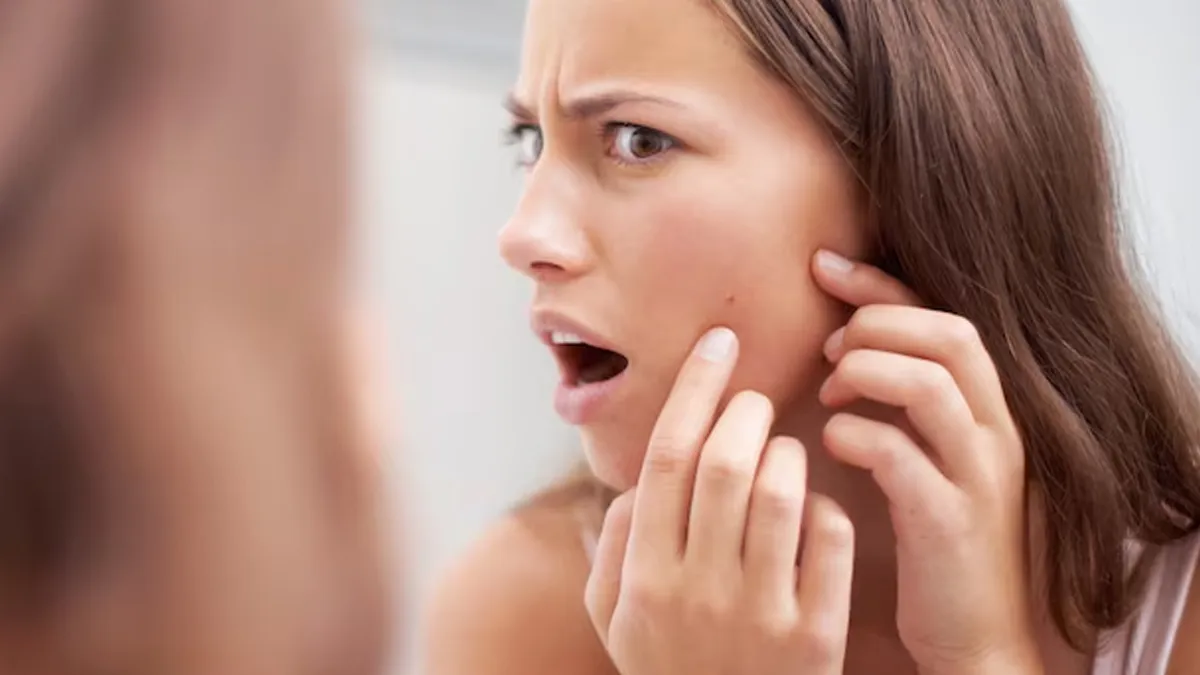
Purging usually occurs in areas where a person already tends to develop acne or clogged pores. If pimples suddenly appear in completely new areas where breakouts are unusual, it may be more suggestive of irritation or an acne breakout.
However, location alone cannot provide a definite diagnosis.
3. How long it lasts
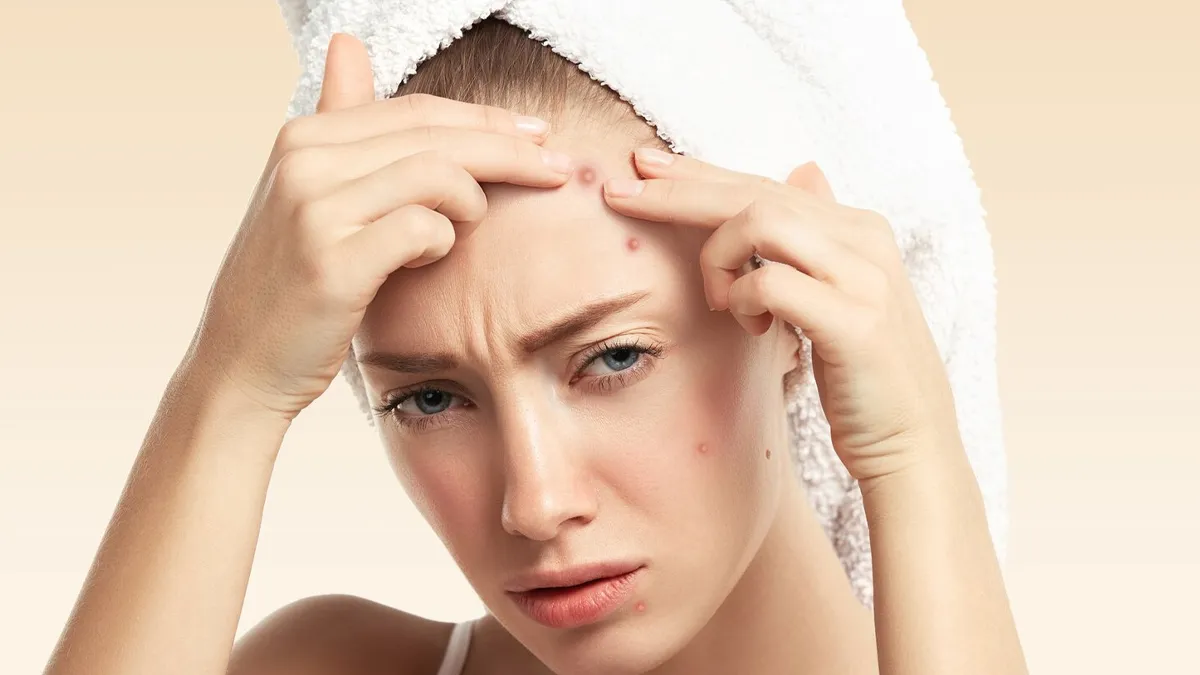
Purging is expected to be temporary. Once the skin adjusts to the active ingredient, the reaction should gradually settle.
If breakouts continue to worsen for an extended period, keep appearing in new areas or fail to improve, the product may not be suitable for the individual.
 skin purging 2
4. What the skin feels like
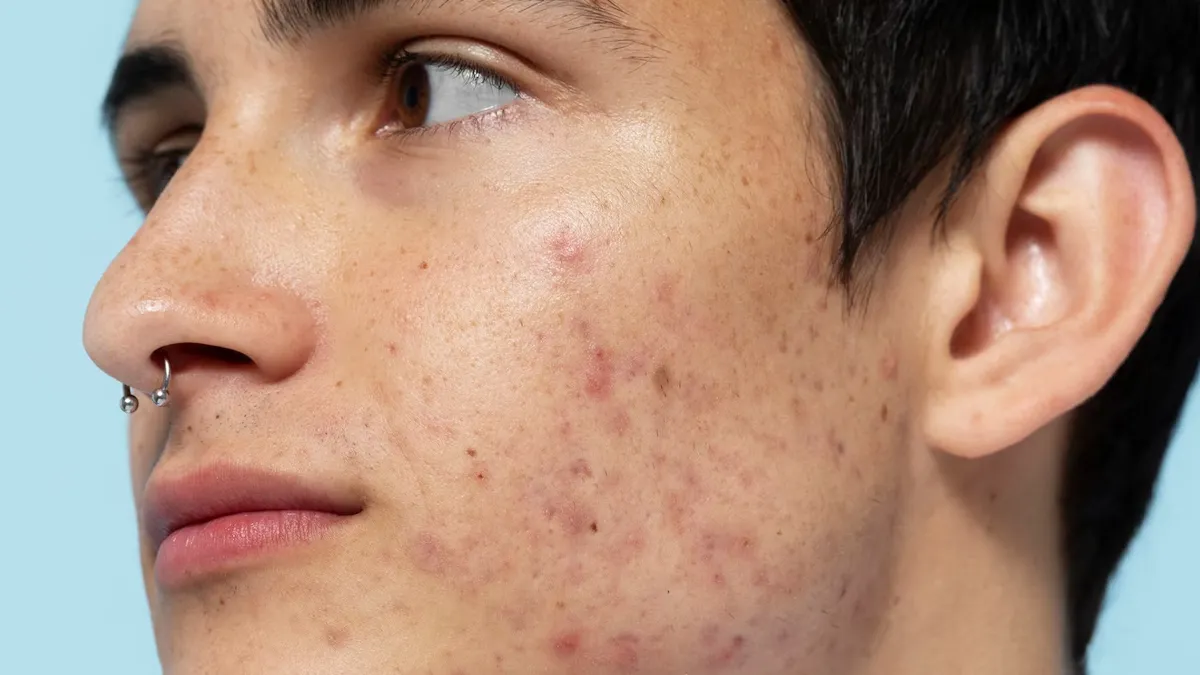
Acne breakouts typically involve clogged pores, blackheads, whiteheads or inflamed pimples. A reaction to a skincare product may instead involve significant burning, itching, redness, swelling or widespread tiny bumps.
Strong burning or itching should not simply be dismissed as ‘purging’.
5. The product itself can provide a clue
Sometimes the problem is not purging at all but a reaction to another ingredient in the formulation. Fragrance, preservatives, certain emollients or other ingredients may trigger irritation or, in some people, contribute to breakouts.
This is why introducing several new products simultaneously can make it difficult to identify the actual cause.
6. What happens when the product is stopped
If a product consistently causes worsening irritation or breakouts, discontinuing it and discussing the reaction with a dermatologist can be more appropriate than pushing through the problem.
 skin purging 3
Expert Busts Myth Related To Skin Purging
Dr Passi says that one of the biggest skincare myths is that ‘purging means the product is working.’ “Dermatologists caution against using this idea to justify severe irritation.
A little temporary worsening can occur with some active acne treatments, but painful inflammation, significant redness, swelling or persistent worsening should not automatically be labelled as purging,” says the expert.
She further explains, “For people starting a retinoid or exfoliating ingredient, introducing it gradually and using a moisturiser and sunscreen can improve tolerability. The skin should be given time to adjust rather than being exposed to multiple strong products at once.”
“Ultimately, not every breakout after a new skincare product is a purge. Recognising the pattern, timing, ingredients involved and accompanying symptoms can help people decide when to continue cautiously and when to seek professional advice,” concludes Dr Passi.
ALSO READ- Can Your Pillowcase Really Cause Acne? Doctor Separates Fact From Fiction
Conclusion
Differentiating between a temporary skin purge and a genuine acne breakout depends on various factors such as: the active ingredients used, the location of the blemish, and the duration of the reaction. While potent treatments such as retinoids can increase cell turnover and cause mild purging in your usual breakout zones, persistent inflammation, burning, or sudden pimples in new areas can indicate an acne breakout. Incorporate active products into your skincare regime gradually to safely navigate new products. Moreover, it is advisable consult a dermatologist rather than pushing through painful or prolonged irritation.
FAQ
Will skin purging go away on its own?
Yes, skin purging does go away, typically lasting between 4 to 6 weeks as your skin completes a full cell turnover cycle.How to treat your skin when it's purging?
To get through skin purging, simplify your routine with gentle products and reduce the use of new active ingredients until your skin adjusts.
All possible measures have been taken to ensure accuracy, reliability, timeliness and authenticity of the information; however Onlymyhealth.com does not take any liability for the same. Using any information provided by the website is solely at the viewers’ discretion. In case of any medical exigencies/ persistent health issues, we advise you to seek a qualified medical practitioner before putting to use any advice/tips given by our team or any third party in form of answers/comments on the above mentioned website.

How we keep this article up to date:
We work with experts and keep a close eye on the latest in health and wellness. Whenever there is a new research or helpful information, we update our articles with accurate and useful advice.
-
Current Version
Sep 23, 2026 13:54 IST
Published By : Shruti Das
Reviewed By : Dr Ruben Bhasin Passi