
As the winter chill sets in, there is nothing more comforting than a steaming bowl of soup. Whether it is the nostalgia of Grandma’s chicken broth or the tangy zing of a classic tomato soup, these liquid meals are winter staples for a reason. But beyond the cosy feeling, parents and health-conscious individuals often wonder: which one actually does more for your body during the cold and flu season?
While both are delicious, they offer very different nutritional profiles. To settle the debate, we reached out to Dietician Rakshita Mehra to break down the science of these winter favourites.
Expert Insights on the Great Soup Debate
According to Dt Rakshita Mehra, choosing between chicken and tomato soup depends largely on what your body needs at the moment. She explains that while one excels at fighting infections, the other is a powerhouse of heart-healthy antioxidants.

Here are the key takeaways from Dt Mehra on how these soups function in winter:
- The Immunity Powerhouse: Chicken soup is often called "nature's penicillin." Dt Mehra explains that chicken provides high-quality lean protein and amino acids like cysteine, which can help thin mucus in the lungs, making it easier to breathe during a cold.
- The Antioxidant King: Tomato soup is loaded with lycopene. Dt Mehra highlights that lycopene is an antioxidant that actually becomes more bioavailable when cooked. This helps fight oxidative stress, which often increases during winter due to lower physical activity and heavier diets.
- Hydration and Electrolytes: Both soups are excellent for hydration. However, tomato soup is particularly rich in potassium, which supports heart health and maintains fluid balance when the air is dry.
- Satiety and Weight Management: If you are looking to stay full, chicken soup wins. Dt Mehra notes that the protein content in chicken, combined with fibre from added vegetables like carrots and celery, helps curb winter cravings better than a simple tomato broth.
ALSO READ- What Foods Help Keep the Heart Healthy in Cold Weather?
Chicken Soup: The Ultimate "Cold" Remedy
There is a reason doctors have recommended chicken soup for centuries. It isn't just a placebo effect. The combination of warm fluid, salt, and steam helps clear nasal passages.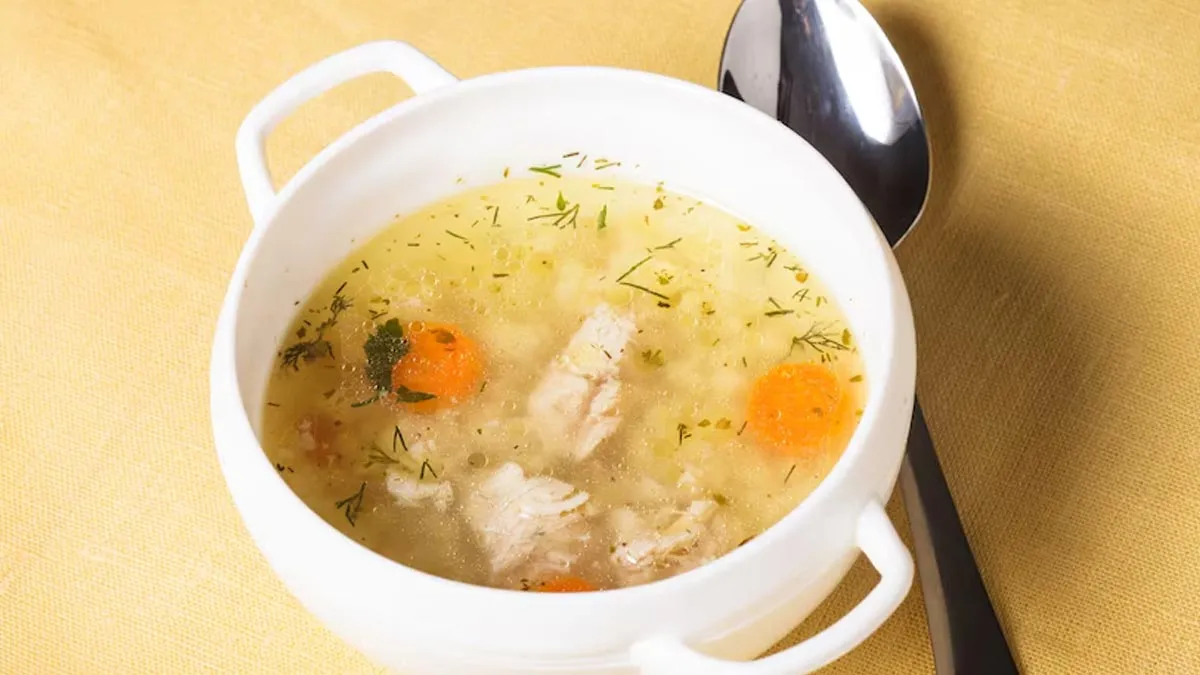
Why it works:
- Anti-Inflammatory Properties: It can inhibit the movement of neutrophils (white blood cells that cause inflammation), potentially reducing the "stuffy" feeling of a cold.
- Muscle Repair: The protein helps the body repair tissues, which is vital when your immune system is working overtime.
- Tryptophan Boost: Chicken contains tryptophan, which helps produce serotonin—the "feel-good" hormone that can lift your spirits during dark, gloomy winter days.
Tomato Soup: The Heart and Skin Shield
If your goal is long-term wellness and glowing skin, tomato soup might be your best friend. Winter can be harsh on the skin and heart, and tomatoes provide a natural shield.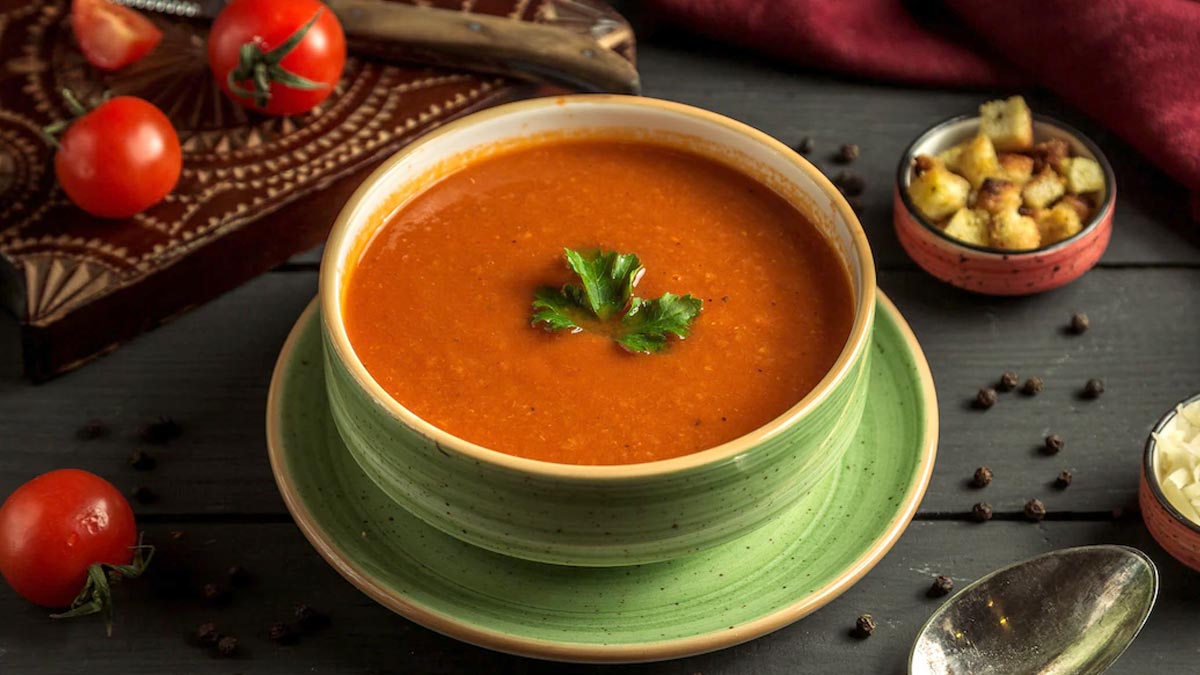
Why it works:
- Skin Protection: The beta-carotene and lycopene in tomatoes help protect the skin from winter dryness and UV damage (yes, even in winter!).
- Heart Health: High potassium levels help manage blood pressure, which can sometimes spike in colder weather as blood vessels constrict.
- Vitamin C: A single bowl can provide a significant chunk of your daily Vitamin C needs, stimulating the production of antibodies.
A famous study explored why chicken soup helps with respiratory infections. The study found that chicken soup has a mild anti-inflammatory effect. By slowing down the migration of white blood cells to the upper respiratory tract, the soup effectively reduced the symptoms of the common cold.
The Verdict: Which Should You Choose?
So, which is the winner? According to our expert, it is a tie, depending on your goal:
- Choose Chicken Soup if you have a scratchy throat, a stuffy nose, or if you need a filling meal that feels like a hug.
- Choose Tomato Soup if you want a light, antioxidant-rich appetiser that supports your heart and keeps your skin radiant.
ALSO READ- Fitness Influencer’s Viral Cheat Sheet Reveals 50 Foods You Can Overeat in Without Getting Fat
Conclusion
The best part about these winter staples is that you don't actually have to choose just one. You can rotate them throughout the week to get a balanced mix of proteins and plant-based antioxidants. Just remember to keep the salt levels in check and try to include plenty of fresh herbs like garlic, ginger, or basil to give your immune system an extra kick.
All possible measures have been taken to ensure accuracy, reliability, timeliness and authenticity of the information; however Onlymyhealth.com does not take any liability for the same. Using any information provided by the website is solely at the viewers’ discretion. In case of any medical exigencies/ persistent health issues, we advise you to seek a qualified medical practitioner before putting to use any advice/tips given by our team or any third party in form of answers/comments on the above mentioned website.
How we keep this article up to date:
We work with experts and keep a close eye on the latest in health and wellness. Whenever there is a new research or helpful information, we update our articles with accurate and useful advice.
-
Current Version
Jan 19, 2026 16:40 IST
Modified By : Vivek Kumar Jan 19, 2026 16:40 IST
Modified By : Vivek KumarJan 19, 2026 16:40 IST
Published By : Vivek Kumar
Reviewed By : Dt Rakshita Mehra