As pollution and fluctuating temperatures continue to challenge our immune systems, the common cold remains one of the most frequent health complaints. Among many home remedies and vitamins, Vitamin C is often considered the most powerful anti-cold nutrient. However, does it really provide a helping hand, or is it just another health myth?
In an exclusive interaction with the editorial team of Onlymyhealth, Dr Tushar Tayal, Associate Director, Internal Medicine, CK Birla Hospital, Gurugram, helped is underastand the science behind it, the benefits, limitations, and possible side effects of Vitamin C for managing and controlling common cold.
Link Between Vitamin C and Cold Relief
Vitamin C, also known as ascorbic acid, plays a vital role in maintaining immune health. It supports the production and function of White Blood Cells (WBCs), which are essential in fighting infections. Additionally, Vitamin C is also a good antioxidant that takes part in the protection of immune cells from being harmed by the free radicals that attack the cells and the body.
Dr Tayal shared, “Vitamin C is popularly used for cold management because it assists the immune system. While vitamin C does not eliminate the common cold, continuous intake might help lessen the duration and severity of the symptoms, especially for the physically stressed or low baseline intake individuals.”
ALSO READ- Amla vs Orange - Which Gives Better Winter Glow Boost? Expert Weighs In
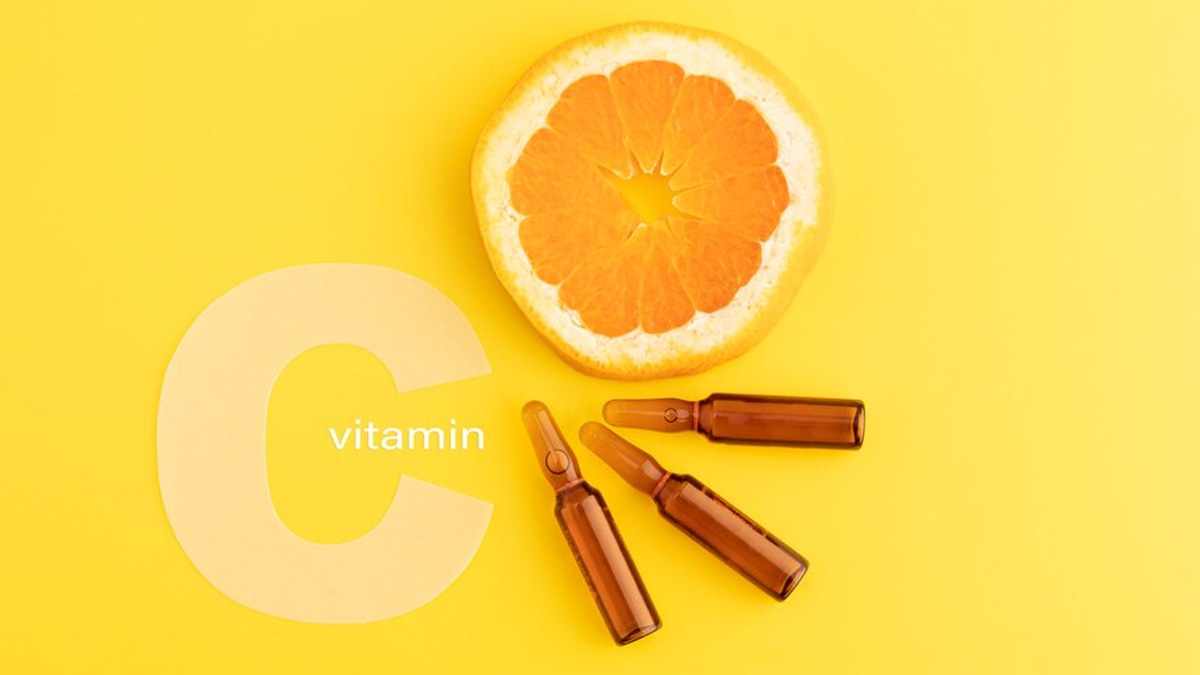
This means that although Vitamin C cannot completely prevent you from getting the cold, it can help to assist the body in recovering faster and also to fight the symptoms of sore throat, congestion, and exhaustion better.
Does Vitamin C Prevent or Cure the Common Cold?
Vitamin C has long been misunderstood as a potent remedy for colds by simply taking huge doses of it. In contradiction, scientific research has shown that it is not so. Routine Vitamin C supplementation does not significantly reduce the risk of catching a cold in the general population. However, in people exposed to physical stress, such as athletes, individuals with demanding work schedules, or those with nutritional deficiencies, it may lower the frequency of colds.
Dr Tayal said the best results from Vitamin C come when it is taken as a preventive measure regularly rather than as a quick fix when one feels unwell. Taking high-strength supplements as soon as a cold starts offers only limited benefits.
Best Natural Sources of Vitamin C
Dr Tayal highlighted that he prefers not to rely on it only in the form of supplements but rather get Vitamin C from whole foods. Natural sources provide additional nutrients and antioxidants that work together to support immunity.
Some of the richest dietary sources of vitamin C include citrus fruits like oranges and lemons, amla (Indian gooseberry), guava, kiwi, strawberries, and vegetables such as bell peppers and broccoli. Including such foods in the daily diet can suffice to provide the body with the needed amount of Vitamin C and also to benefit overall health.

Side Effects of Vitamin C and Who Should Be Careful
Vitamin C is a very safe nutrient in general, but in large dosages, skin problems may occur. Dr Tayal pointed out that taking huge doses over the upper limit of the recommended daily allowance may lead to an upset stomach, acidity, nausea, and diarrhoea. In rare instances, the risk of kidney stones may go up with very high doses.
Additionally, if you have any kidney problems, suffer from iron overload, or are taking any of the specific medications mentioned, talk to your doctor before you start taking Vitamin C supplements. Keep moderation and medical advice at the top of your list as necessary.
How Vitamin C Works Best with Healthy Habits
Vitamin C should never be regarded as the only solution to the problem of colds. According to Dr Tayal, the body’s defence against infections is made strongest by the combination of good hygiene, adequate rest, proper hydration, balanced nutrition, and stress management. Handwashing, sleep, and overall lifestyle choices might be very effective in preventing and managing common colds more than any single vitamin.
Bottomline
Vitamin C can support immune health and may slightly reduce the duration and severity of colds, but it is not a cure. Experts highlight that the safest and most effective approach is regular intake through natural foods, and not high-dose supplements.
FAQ
1. Can Vitamin C eliminate my chances of catching a cold?
No, it cannot prevent colds completely, but it might help the body's defence system and reduce the symptoms.2. Is it useful to take Vitamin C after cold symptoms start?
High-dose Vitamin C after symptoms begin offers limited benefit; regular intake works better.3. Can too much Vitamin C be harmful?
Yes, high doses of Vitamin C can lead to stomach issues and, in some rare cases, develop kidney stones, especially among people who are already at risk.
All possible measures have been taken to ensure accuracy, reliability, timeliness and authenticity of the information; however Onlymyhealth.com does not take any liability for the same. Using any information provided by the website is solely at the viewers’ discretion. In case of any medical exigencies/ persistent health issues, we advise you to seek a qualified medical practitioner before putting to use any advice/tips given by our team or any third party in form of answers/comments on the above mentioned website.

How we keep this article up to date:
We work with experts and keep a close eye on the latest in health and wellness. Whenever there is a new research or helpful information, we update our articles with accurate and useful advice.
-
Current Version
Jan 05, 2026 12:33 IST
Modified By : Tanya Srivastava Jan 05, 2026 12:33 IST
Modified By : Tanya SrivastavaJan 05, 2026 12:33 IST
Published By : Tanya Srivastava
Reviewed By : Dr Tushar Tayal