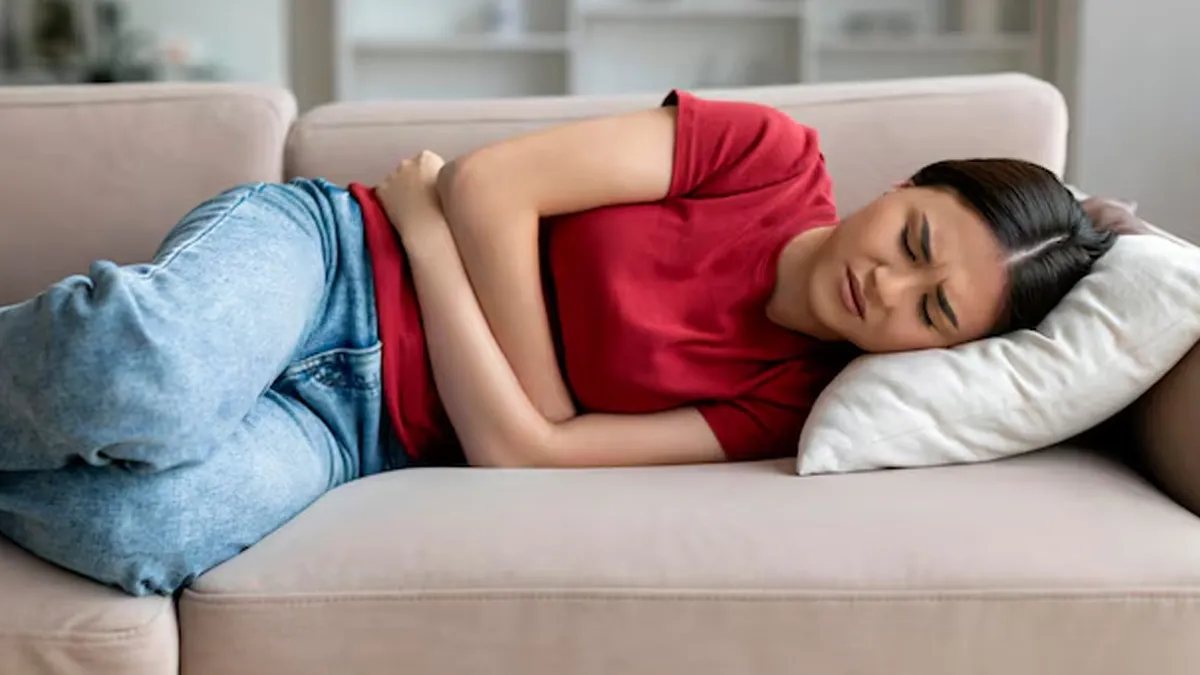
You must have heard that soaking in the sun is a good practice because by doing so, your body gets vitamin D. This vitamin has a plethora of benefits – from improving bone health to boosting immunity. Vitamin D deficiency, thus, can harm your overall health in many ways. Did you know that it is believed that its deficiency even has the potential to make your period cramps worse? How much truth is there in this? This article will decode it for you.
To get a better understanding of this, we reached out to Dr Chetna Jain, Director Dept of Obstetrics and Gynecology, Cloudnine Group of Hospitals, Sector 14, Gurgaon. Read ahead.
Can Vitamin D Deficiency Affect Your Period?
It’s time to verify the truth – can low levels of vitamin D in the body affect your menstrual cycle? A 2018 study states that there indeed is a relationship between menstrual disorders and low levels of vitamin D. Our expert explains this further. “Yes, vitamin D deficiency can worsen menstrual problems,” says Dr Jain. She adds that research shows that low vitamin D levels are linked to:
- More painful periods (dysmenorrhea).
- Irregular menstrual cycles.
- Heavier bleeding in some women.
- Increased inflammation and hormonal imbalance.
“Vitamin D plays a role in regulating inflammation, muscle contraction of the uterus, and hormone balance, all of which directly affect how comfortable or painful periods feel,” shares Dr Jain.
 period vit d 1
Can Low Vitamin D Worsen Period Cramps?
Now that we know that low vitamin D does impact our period negatively, let’s find out if it can give you painful menstrual days. “Yes. Low vitamin D can intensify period cramps,” confirms Dr Jain. She adds that vitamin D helps to:
- Reduce prostaglandins (chemicals that cause uterine contractions and pain).
- Relax uterine muscles.
- Reduce pelvic inflammation.
“When vitamin D levels are low, prostaglandin activity increases, leading to stronger uterine contractions and more severe cramps. Women with vitamin D deficiency often report more intense lower abdominal and back pain during periods,” explains Dr Jain.
Also Read: What’s The Link Between Endometrium And Painful First Day Of Period?
How Much Vitamin D Should One Take To Regulate Their Period?
Is there a specific level of vitamin D in the body, which can guarantee healthier menstrual cycles for women? “There is no single dose for everyone, as vitamin D needs depend on age, deficiency level, body weight, and sun exposure,” shares Dr Jain.
On this note, the expert lists down some general guidance for vitamin D levels:
- 600–800 IU per day is the recommended daily intake for most adults
- If deficient, doctors may prescribe higher doses (1,000–2,000 IU daily or weekly therapy) for a short period.
- Blood testing (25-hydroxy vitamin D) is the best way to determine the correct dose.
“Self-supplementation with high doses should be avoided. Always consult a doctor before starting vitamin D supplements, especially for menstrual or hormonal concerns,” warns Dr Jain.
 period vit d 2
What Is The Best Vitamin For Menstrual Cramps?
Dr Jain says that there is no single ‘best’ vitamin, but several nutrients work effectively together to reduce menstrual pain, such as:
- Vitamin D: Reduces inflammation and uterine spasms.
- Vitamin B1 (Thiamine): Helps reduce cramp intensity.
- Vitamin E: Reduces prostaglandin-related pain.
- Magnesium: Relaxes muscles and eases uterine contractions.
- Omega-3 fatty acids: Reduce inflammation and pain.
“Among these, vitamin D is especially important if a deficiency is present, as correcting it can significantly reduce cramp severity,” she adds.
Tips To Improve Vitamin D Levels For Better Periods
On this note, Dr Jain shares some simple hacks to improve vitamin D levels in the body and support your menstrual cycle:
Sun exposure
Spend 15–30 minutes in sunlight (arms and face exposed) at least 3–4 times a week. Morning or late afternoon sun is safest.
Diet sources – Include vitamin D–rich foods such as:
- Egg yolks.
- Fatty fish (salmon, sardines, tuna).
- Fortified milk, cereals, and plant-based milks.
- Mushrooms exposed to sunlight.
Supplements (if advised)
- Take supplements only after checking levels or consulting a doctor.
- Consistency matters more than high doses.
Lifestyle support
- Maintain a healthy weight.
- Manage stress (stress affects hormone balance).
- Exercise regularly to improve circulation and hormone regulation.
 period vit d 3
The Final Word
Vitamin D plays a crucial role in menstrual comfort, hormone balance, and inflammation control. Low levels can worsen cramps and cycle irregularities, while maintaining healthy vitamin D levels can lead to less painful, more regular periods. If menstrual pain is severe or worsening despite lifestyle changes, a medical evaluation is essential to rule out conditions like PCOS or endometriosis.
Also Read: Are Intimate Washes Safe? Expert Answers
FAQ
Does vitamin D deficiency affect periods?
Several studies have found a high level of correlation between vitamin D deficiency and periods.Can vitamin D cause hormonal changes?
Vitamin D deficiency can lead to lower estrogen levels.Is low vitamin D linked to PCOS?
Vitamin D deficiency is commonly diagnosed in women with PCOS.
All possible measures have been taken to ensure accuracy, reliability, timeliness and authenticity of the information; however Onlymyhealth.com does not take any liability for the same. Using any information provided by the website is solely at the viewers’ discretion. In case of any medical exigencies/ persistent health issues, we advise you to seek a qualified medical practitioner before putting to use any advice/tips given by our team or any third party in form of answers/comments on the above mentioned website.
How we keep this article up to date:
We work with experts and keep a close eye on the latest in health and wellness. Whenever there is a new research or helpful information, we update our articles with accurate and useful advice.
-
Current Version
Jan 10, 2026 08:50 IST
Modified By : Shruti Das Jan 10, 2026 08:50 IST
Modified By : Shruti DasJan 10, 2026 08:50 IST
Published By : Shruti Das
Reviewed By : Dr Chetna Jain