
January is often believed to be the month of ‘new year resolutions’. Let us tell you that this is also the ‘Cervical Cancer Awareness Month’. You must have heard about cervical cancer. It is a cancer that begins on the surface of your cervix. Human Papillomavirus (HPV) infection causes almost all cases of cervical cancer. Cervical cancer is the fourth most common cancer in women globally. This is the main reason why more awareness around it is the need of the hour. To bring more focus on cervical cancer, OnlyMyHealth has started a campaign called ‘Know Your Cervix’. It is dedicated to educating people about cervical cancer, its prevention, detection and everything in between.
Early detection of cervical cancer can save lives. For this, screenings like Pap smear tests and HPV tests are important. But which test is better when it comes to detecting cervical cancer? This article will answer this for you. To get an expert view on this, we reached out to Dr Chetna Jain, Director Dept of Obstetrics and Gynecology, Cloudnine Group of Hospitals, Sector 14, Gurgaon. Read on.
What Is A Pap Smear Test?
Before differentiating between the two tests, let us tell you a little about each one, starting with a Pap smear test (also called a Pap test).
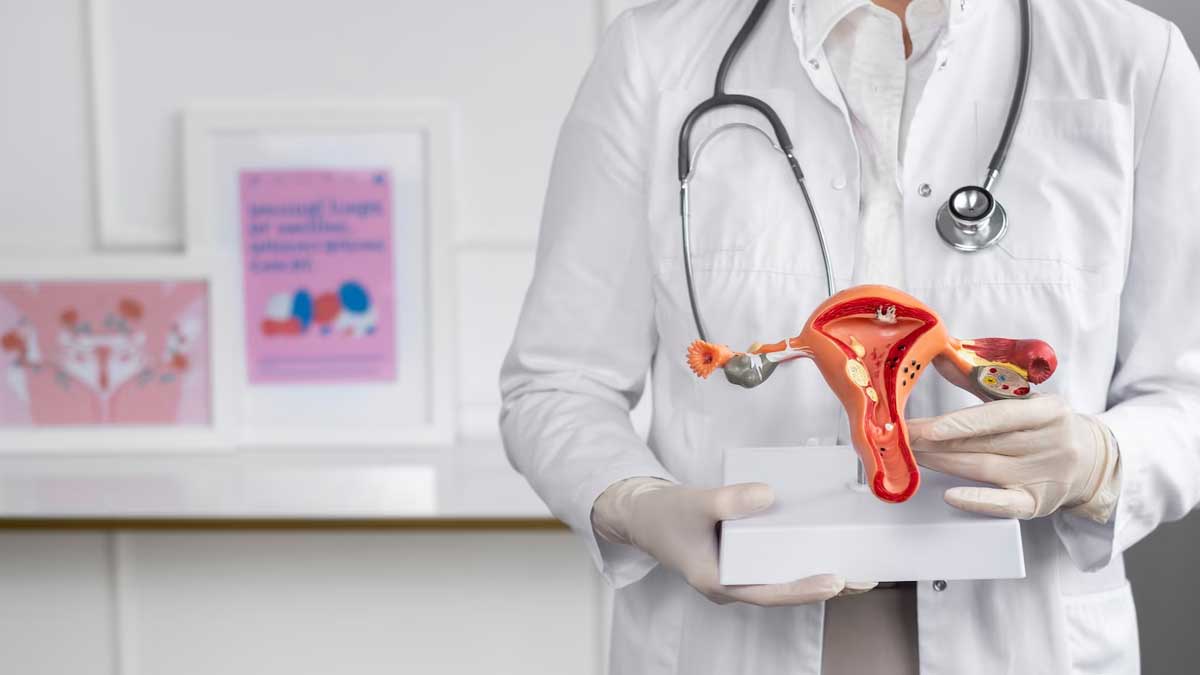
“Pap smear test is a screening which is used to detect abnormal or pre-cancerous changes in the cells of the cervix – it is the lower part of the uterus that opens into the vagina. During the test, a healthcare provider gently collects cells from the cervix using a small brush or spatula. These cells are examined under a microscope to check for cell changes that could later develop into cervical cancer, if left untreated,” explain Dr Jain.
She adds, “The Pap smear is not responsible for detecting the virus that causes cervical cancer. Instead, it detects early cellular changes, allowing timely treatment before cancer develops.”
 cervical test 1
What Is An HPV Test?
Now, let us talk about the HPV test. “The HPV test detects the presence of high-risk types of Human Papillomavirus (HPV). This virus is responsible for most cases of cervical cancer. This test uses a cervical sample similar to the Pap smear, but instead of looking at cell shape and structure, it looks for HPV DNA in the cells,” explains Dr Jain.
She continues, “A positive HPV test indicates that the virus is present, not that cancer already exists. Most HPV infections clear on their own, but persistent infection with high-risk HPV types increases cancer risk.”
Also Read: Cervical Health and Fertility: The Connection Most Women Don’t Know About
Pap Smear Vs HPV Test – What Is the Difference?
On this note, Dr Jain lists down the difference between the two tests.
Pap Smear Test
- What it detects: Abnormal cervical cells.
- Purpose: Identifies cell changes.
- Method: Microscopic examination.
- Detects cancer risk early? Yes.
- Predicts future risk: Limited
HPV Test
- What it detects: High-risk HPV virus.
- Purpose: Identifies cancer-causing virus.
- Method: DNA-based test.
- Detects cancer risk early? Yes, often earlier.
- Predicts future risk: Strong predictor.
“In short, the Pap smear detects damage already done, while the HPV test detects the cause of that damage,” adds the expert.
 cervical test 2
Pap Smear Vs HPV Test – Which Is Better?
Now, let us come to the main point – which test is better? “The HPV test is considered more sensitive than the Pap smear for detecting the risk of cervical cancer. It can identify women at risk before abnormal cells develop. However, the Pap smear remains valuable because it shows actual cellular changes, which helps guide immediate clinical decisions,” explains Dr Jain.
She adds that many guidelines now recommend:
- HPV testing as the primary screening test.
- Co-testing (Pap smear + HPV test together) for better accuracy.
“Using both tests together provides the highest level of protection,” says the expert.
Which Factors Decide What Test You Need?
Dr Jain notes that the choice of test depends on several factors:
Age
- Women under 30 years: Pap smear is usually preferred.
- Women 30 years and above: HPV test or co-testing is recommended.
Medical history
- Previous abnormal Pap results.
- Past HPV infection.
- History of cervical procedures.
- Immune status
- Women with weakened immunity may need more frequent screening.
Pregnancy status
- Screening may be modified during pregnancy.
- National guidelines and doctor’s advice.
- Recommendations may vary by country and individual risk profile.
 cervical test 3
Dr Jain concludes that both tests play an important role in cervical cancer prevention because:
- Pap smear detects abnormal cells.
- HPV test detects the virus causing those changes.
Also Read: Why Are Most Cervical Cancers Diagnosed Late? Oncologist On Changing The Narrative
The Final Word
The best approach to detect cervical cancer is personalised screening, based on age, health history, and medical advice. Regular screening — by either Pap smear test or HPV test — remains the most effective way to prevent cervical cancer.
FAQ
What is the main cause of cervical cancer?
The main cause of cervical cancer is a persistent infection with certain high-risk types of the Human Papillomavirus (HPV), a common sexually transmitted virus.Is cervical cancer treatable?
Yes, cervical cancer is highly treatable and often curable.What are the first signs of cervical cancer?
Early signs of cervical cancer include subtle changes like unusual vaginal bleeding (between periods, after sex, or after menopause), abnormal discharge (watery, bloody, foul-smelling), pelvic pain, or pain during intercourse.
All possible measures have been taken to ensure accuracy, reliability, timeliness and authenticity of the information; however Onlymyhealth.com does not take any liability for the same. Using any information provided by the website is solely at the viewers’ discretion. In case of any medical exigencies/ persistent health issues, we advise you to seek a qualified medical practitioner before putting to use any advice/tips given by our team or any third party in form of answers/comments on the above mentioned website.
How we keep this article up to date:
We work with experts and keep a close eye on the latest in health and wellness. Whenever there is a new research or helpful information, we update our articles with accurate and useful advice.
-
Current Version
Jan 06, 2026 12:59 IST
Modified By : Shruti Das Jan 06, 2026 12:59 IST
Modified By : Shruti DasJan 06, 2026 12:59 IST
Published By : Shruti Das
Reviewed By : Dr Chetna Jain