


Sperm donation is common in today’s world. In fact, it is preferred by many couples and individuals who are struggling with infertility. But one recent incident has put sperm donation under radar. As per reports, a sperm donor had a rare genetic mutation, which is linked to an increased risk of developing cancer. He reportedly fathered at least 197 children across Europe. This has been revealed at a major investigation. Some children have already died and only a minority who inherit the mutation will escape cancer in their lifetimes, the report stated further.
Table of Content:-
This leaves us with the question – is sperm donation a safe method for reproduction? To get the answer to this, the editorial team of Only My Health reached out to Dr N Sapna Lulla, Lead Consultant – Obstetrics and Gynaecology, Aster CMI Hospital, Bangalore. Keep reading.
Expert View On Sperm Donor With Cancer-causing Gene
We asked our expert to share her view on this shocking news. Dr Lulla says, “This report is worrying because it shows how one sperm donor with a cancer-causing gene was able to father around 197 children, which puts many families at risk without their knowledge. It highlights gaps in screening, transparency, and regulation in sperm donation systems, where genetic conditions may go unnoticed for years.”
She adds, “It also raises emotional and ethical concerns for the children, who might face health challenges or need genetic testing later in life. Parents may feel betrayed because they trusted the system to protect them. This incident shows the urgent need for stricter rules, better genetic checks, and limits on how many children one donor can father to keep families safe and informed in the future.”
Also Read: Does Winter Affect Your Chances of Getting Pregnant? What You Should Know
How Safe Is Donor Sperm?
Let us straightaway get to the main point – is donor sperm safe and can it be trusted? “Donor sperm is generally safe because most sperm banks follow strict medical and genetic screening before accepting a donor. Samples are tested for infections like HIV, hepatitis, and other sexually transmitted diseases,” explains Dr Lulla.
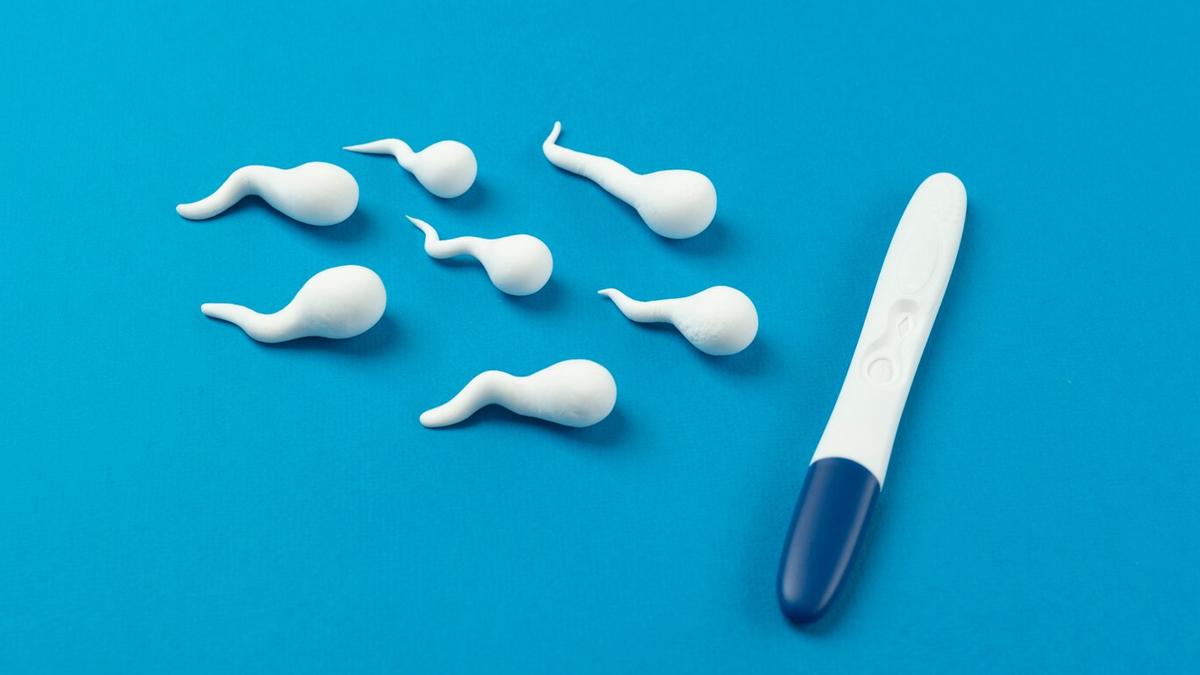
She continues, “Donors also fill detailed health histories. Many clinics check for common genetic disorders to reduce risks for the baby. Even with these steps, no system is perfect, and rare genetic conditions may go undetected, which is why complete safety cannot be guaranteed. Choosing a reputable, certified sperm bank and asking about their testing methods can help reduce risks. Overall, donor sperm is safe for most families, but it is important to stay informed, ask questions, and consider genetic counselling if needed.”
Health Risks For Children From A Donor’s Sperm
On this note, Dr Lulla lists down the health risks for children born from donor sperm:
- It is usually healthy, but there are some possible health risks to consider, mainly linked to the donor’s medical background.
- If the donor carries a genetic disorder that was not detected during screening, the child may inherit it, which could lead to future health problems.
- Some conditions may be rare or develop later in life, so they may not show up during routine tests.
- There is also a small chance of hereditary cancers or heart issues, if the donor has a hidden family history.
- If many children are born from the same donor, it increases the risk of accidental relationships among biological siblings.
- Asking for detailed genetic reports and choosing trusted clinics can reduce these risks.
Safety Tips Before Using A Donor’s Sperm
We are all aware that it’s always better to be safe than sorry. Dr Lulla shares some precautionary steps one should take:
- The first step is to choose a licensed sperm bank that follows strict medical rules and keeps detailed records of every donor in a safe way.
- It is important to check if the donor has been tested for genetic disorders, infectious diseases, and family health history to avoid future risks.
- It also helps to confirm that the donor’s physical traits, education, and background match your preferences and comfort level.
- You should ask the clinic whether the sperm has been properly screened, stored, and handled. Consulting a fertility specialist or genetic counsellor can give you clarity, help you understand all risks, and support you in making a safe and informed decision.
Can Tests Detect Cancer-causing Genes In A Donor’s Sperm?
Tests can detect a donor’s medical conditions and diseases. But can it detect cancer-causing genes as well? Our expert answers.
“Yes, specific tests are available that can help detect cancer-causing genes in a donor’s sperm. Most clinics use genetic screening to check for inherited risks. Many sperm banks do a basic carrier screening panel that looks for common disorders, but you can also request an expanded genetic test that checks hundreds of genes linked to cancers such as breast cancer, ovarian cancer, colon cancer, and blood cancers,” explains the expert.
“Some clinics also offer tests for BRCA1, BRCA2, including other hereditary cancer markers. These tests do not guarantee that the child will never develop cancer, but they reduce the chance of passing on known high-risk genes. A genetic counsellor can explain the results in simple terms and guide you in choosing a safer donor,” concludes Dr Lulla.
Also Read: Expert Shares How Weekend Habits Quietly Impact Sperm Quality
The Final Word
Donor sperm is generally considered safe because most sperm banks follow strict medical and genetic screening before accepting a donor. But many sperm banks do a basic carrier screening panel that looks only for common disorders, but you can also request an expanded genetic test that checks hundreds of genes linked to cancers such as breast cancer, ovarian cancer, colon cancer, and blood cancers.
FAQ
How safe is donor sperm?
Yes, treatment with donor sperm is safe, as the donors have completed a thorough screening process to minimize the chances of transferring diseases to recipients and children born from their donations.What are the disadvantages of using a sperm donor?
Disadvantages of sperm donation involve risks for recipients (genetic/infectious diseases, multiple births), emotional/psychological impacts (donor feeling of responsibility, child seeking identity/relatives), among others.What are the side effects of sperm donation?
Sperm donation is generally safe, with minimal health risks.
How we keep this article up to date:
We work with experts and keep a close eye on the latest in health and wellness. Whenever there is a new research or helpful information, we update our articles with accurate and useful advice.
Current Version
Dec 11, 2025 18:15 IST
Published By : Shruti Das