Women struggling with Polyendocrine Metabolic Ovarian Syndrome (PMOS) are often confused about what to eat and what to avoid. One question they often ask is whether to choose paneer or tofu, when it comes to their choice of protein. Today, this article will attempt to answer this.
To understand this better, we reached out to Ms Chitra BK, Chief of Dietetics, KIMS Hospitals, Electronic City, Bengaluru.
Paneer vs Tofu: Which Is Better for Women with PMOS?
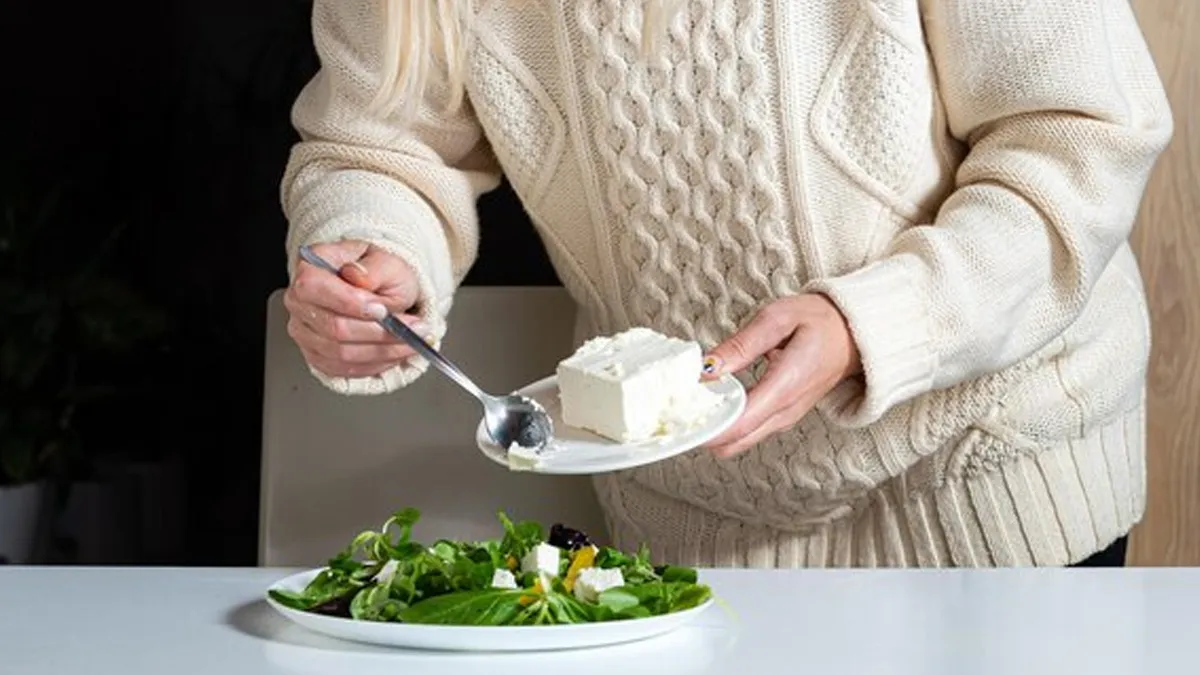
Ms Chitra says that there is no best protein source for PMOS patients since it all depends on blood sugar levels, caloric requirements, protein requirements, and tolerance. So, to help you make the right choice, the expert compares both of them based on these factors:
- Protein: Both have adequate amounts of protein. Paneer is more protein-rich, while tofu is more of a lean meat protein source.
- Calories and fat: Paneer is higher in calories and saturated fats compared to tofu, which has fewer calories and saturated fats.
- Blood glucose level: None of them raises the blood glucose level significantly in a balanced diet. Tofu can be very convenient for PMOS diets since it adds protein but not carbohydrates.
- Hormonal balance: Tofu is a source of isoflavones, the phytoestrogens that act similarly to oestrogens. Moderate consumption of soy products, including tofu, is currently considered safe and is unlikely to have a negative effect on PMOS symptoms.
- Calcium: Paneer is a good source of calcium; the amount of calcium in tofu depends on the use of salts in the process of its preparation.
“As a source of high-quality protein and for better metabolic and weight control purposes, tofu has some advantages. Paneer may still be a good choice of protein and calcium-rich product when consumed in moderate amounts, especially if it is low-fat or homemade,” says the expert.
Are Dairy Products Healthy For Women With PMOS?
A 2014 study, published in the International Journal of Preventive Medicine, states that PMOS is a common hormonal disorder, affecting up to 10% of reproductive-age women. This causes challenges such as irregular periods, weight gain, and fertility issues. To understand its link with diet, a study of 400 women examined whether consuming dairy products impacts the risk of developing PMOS. Using detailed food questionnaires and health histories, the study discovered no significant link between overall dairy consumption such as cheese and yoghurt and the endocrine syndrome.
However, after adjusting for various lifestyle factors, the research discovered a direct relationship between drinking higher amounts of milk and an increased risk of PMOS. The study also focused that older age, the use of certain medications, and a history of other ovarian diseases can be strong risk factors. The findings concluded that while general dairy intake did not show a broad negative impact, those who are managing or at risk for PMOS may want to be mindful of their specific milk consumption. But more research is needed in this context.
Dietary Tips To Deal With PMOS
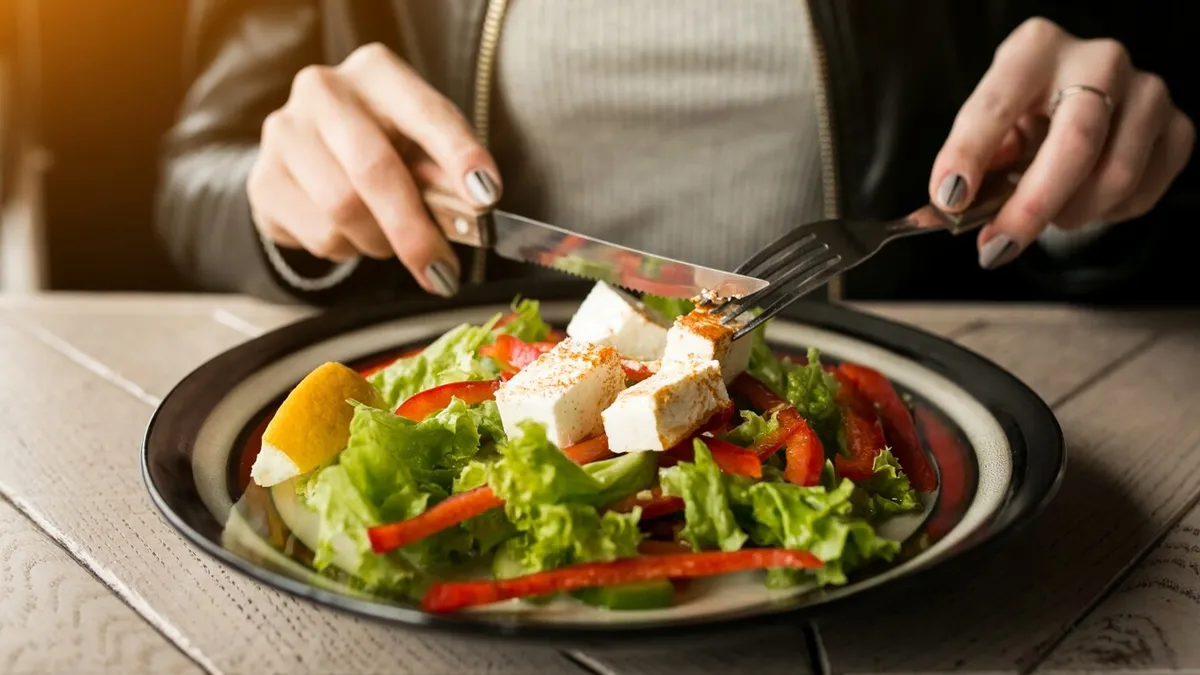
A 2025 study, published in the journal Nutrients, states that medications cannot always fix the underlying issues of PMOS. The study highlights specific dietary changes which can be highly effective as the first-line treatment:
- The study notes that eating a balanced diet, personalised to control blood sugar, is one of the best ways to manage this condition naturally.
- It highly suggests following a low-glycemic index (GI) diet. This means choosing whole foods that prevent sudden spikes in your blood sugar.
- Adding plenty of high-fibre foods to your daily meals is also important as it helps your body use insulin more effectively.
- Adding healthy fats, particularly omega-3 fatty acids, can significantly reduce the harmful inflammation that often makes PMOS symptoms worse.
- Many women have found success by adopting a Mediterranean diet, as they are naturally packed with antioxidant-rich fruits, vegetables, and healthy oils.
- For those who want to lose weight, carefully reducing overall calorie intake or trying a ketogenic diet can minimise both insulin resistance and elevated testosterone levels.
- Avoiding heavily processed foods and refined carbohydrates also prevents long-term risks of heart disease and diabetes, which are often associated with PMOS.
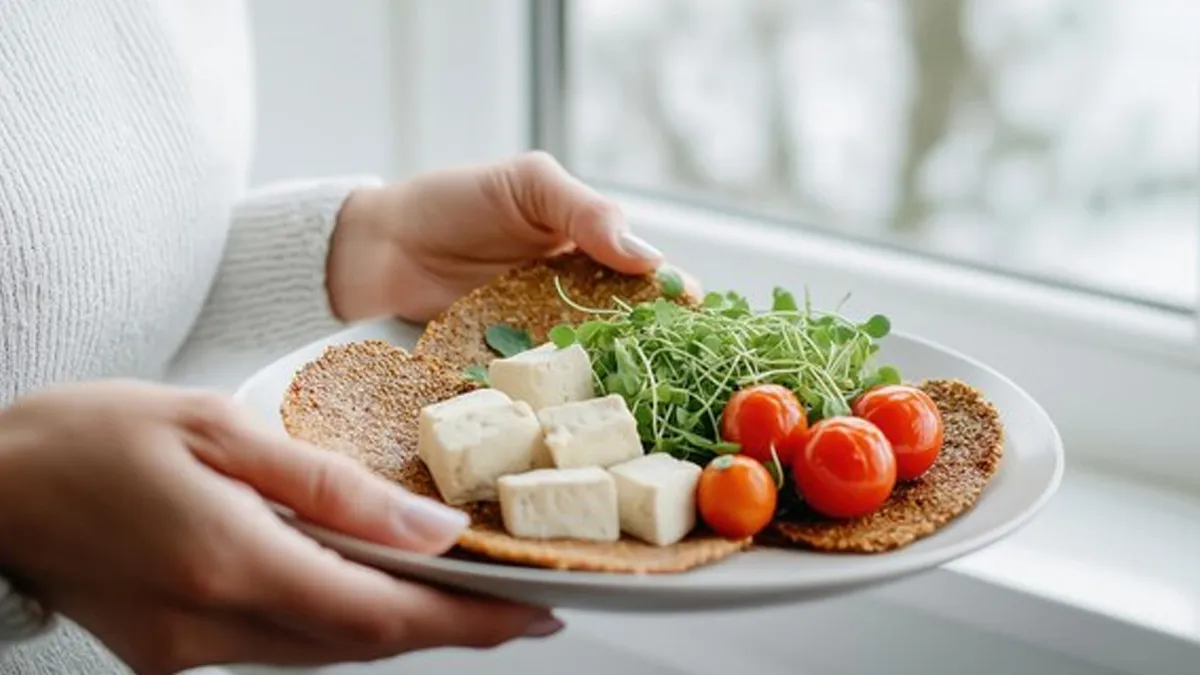
The study concludes that ultimately it is important to combine these nutritional choices with regular physical activity. All these can improve a woman’s hormonal balance, reproductive health, and emotional well-being.
ALSO READ- Are Flavoured Makhana Actually Healthy? Dietitian Explains
Conclusion
For women struggling with PMOS, both paneer and tofu can be good sources of protein. However, tofu holds a slight advantage due to its lower calorie and saturated fat profile. While enjoying moderate amounts of solid dairy such as paneer or yoghurt is usually safe, experts suggest monitoring liquid milk intake and choosing a balanced, low-glycemic diet. To conclude, pairing smart nutritional choices with a physically active lifestyle is the best way to naturally balance hormones and deal with PMOS symptoms.
FAQ
Which is better for you, tofu or paneer?
Neither tofu nor paneer is universally better; the right choice depends on your specific health goals and dietary needs.Is tofu easier to digest than paneer?
Yes, tofu is generally easier to digest than paneer for most people.
All possible measures have been taken to ensure accuracy, reliability, timeliness and authenticity of the information; however Onlymyhealth.com does not take any liability for the same. Using any information provided by the website is solely at the viewers’ discretion. In case of any medical exigencies/ persistent health issues, we advise you to seek a qualified medical practitioner before putting to use any advice/tips given by our team or any third party in form of answers/comments on the above mentioned website.

How we keep this article up to date:
We work with experts and keep a close eye on the latest in health and wellness. Whenever there is a new research or helpful information, we update our articles with accurate and useful advice.
-
Current Version
Sep 17, 2026 15:57 IST
Published By : Shruti Das
Reviewed By : Ms Chitra B K