


For millions of women who already endure painful periods, deteriorating air quality might be an invisible factor that worsens monthly cramps.The researchers now warn that long-term exposure to polluted air may raise the risk of dysmenorrhea, clinically defined as painful menstruation, and turn a deeply personal health issue into a growing public health concern.
Table of Content:-
A recent study published in the journal Frontiers in Public Health, found that women who were exposed to heavily polluted air over extended periods were much more likely to experience menstrual pain than women in cleaner environments. The findings are particularly alarming for people living in cities grappling with chronic smog.
How is AQI Associated with Worse Period Cramps?
The study tracked over 296,000 girls and women in Taiwan over a period of 13 years. The participants at the start of the research had never been diagnosed with dysmenorrhea. The health records of the participants were mapped against data for long-term air quality, using exposure to important pollutants such as nitrogen oxides (NOx), carbon monoxide (CO), and fine particulate matter referred to as PM2.5.
The results revealed that women who lived in the most polluted areas had a 16 to 33 times higher risk of painful periods compared with those in areas with the cleanest air. Of all the pollutants analyzed, PM2.5 had the most significant association with menstrual pain.
ALSO READ- What’s The Link Between Endometrium And Painful First Day Of Period?
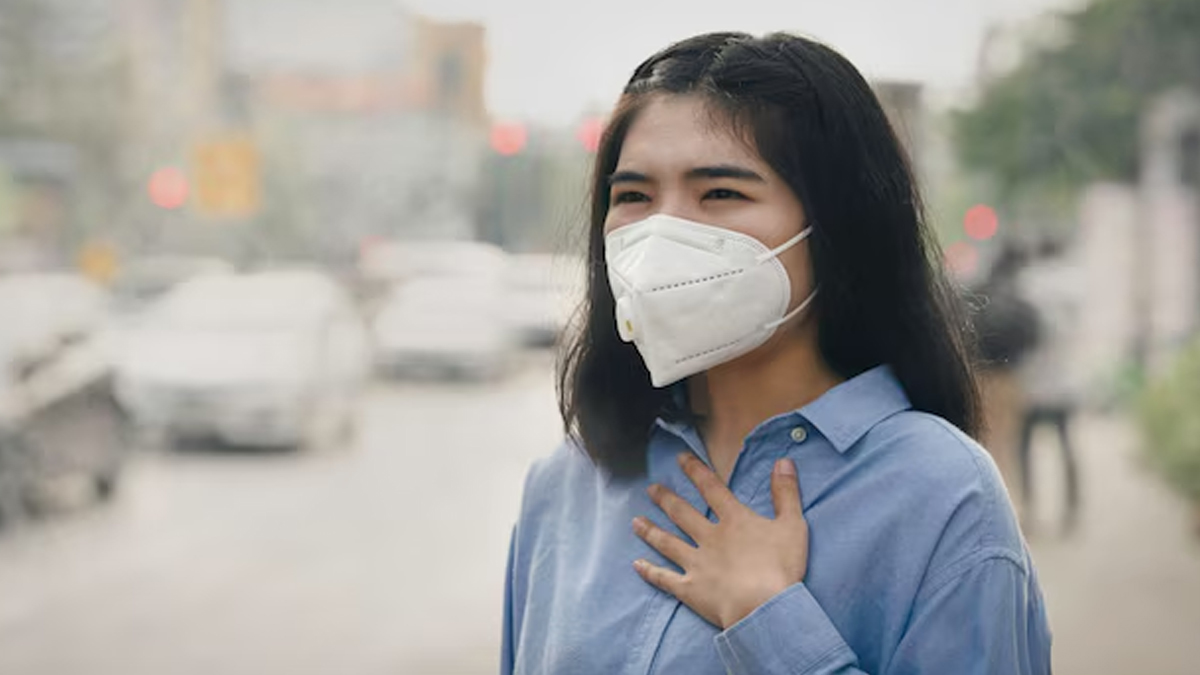
Role of PM2.5 in Worsen Period Cramps
PM2.5 is ultra-fine particles, small enough to penetrate deep inside the lungs and even enter the bloodstream. Once into the body, these are known to lead to chronic low-grade inflammation and oxidative stress. Scientists believe that it may also disrupt hormonal balance, increase uterine contractions, and enhance pain sensitivity-all factors worsening menstrual cramps.
In several Indian metros, particularly across North India, the air quality during winter has slipped into the severe and hazardous category. Delhi’s 24-hour AQI has recently crossed 500, with occasional spikes reportedly crossing as high as 700. Under such conditions, researchers warn that menstrual pain can no longer be viewed solely as an individual health issue but is linked to environmental exposure.
ALSO READ- Teen PCOS: Early Nutrition Habits That Make a Difference

Tips for Women To Manage Cramps During Higher AQI Days
While improving air quality requires policy-level action, researchers recommend there are steps women can take to reduce risk and manage symptoms. These include:
- Limit outdoor exposure on high-pollution days, specifically during early morning and late evening.
- Use N95 masks or air purifiers to reduce inhalation of fine particles.
- Take on anti-inflammatory habits, including a balanced diet rich in fruits, vegetables, and omega-3 fats.
- Exercise indoors when AQI levels are poor
- Seek medical advice if period pain suddenly worsens or interferes with daily life
Bottomline
Poor air quality does not just hurt lungs, it may also worsen menstrual pain, making environmental health a women's health issue. Experts caution that taking care of oneself should be of utmost priority.
How we keep this article up to date:
We work with experts and keep a close eye on the latest in health and wellness. Whenever there is a new research or helpful information, we update our articles with accurate and useful advice.
Current Version
Dec 21, 2025 08:50 IST
Published By : Tanya Srivastava