


For the majority of women, the first of their period is the most painful. Many of them complain of excruciating pain on day one of their menstrual cycle. But have you ever wondered why? What is the reason behind the excessive lower abdomen cramps on the first day? Many people believe the answer is – endometrium. Now, you must be thinking what an endometrium is. Today, we will not only explain to you what it is – we will also tell you whether it actually has a role in making the first day of your period painful. Read ahead.
Table of Content:-
The editorial team of OnlyMyHealth reached out to Dr Manjeet Arora, Clinical Director - Department of Obstetrics and Gynecology at Cloudnine Group of Hospitals, New Delhi, to get a better understanding of this. Let us take a look at what the expert has to say.
How Endometrium Is Related To The Menstrual Cycle
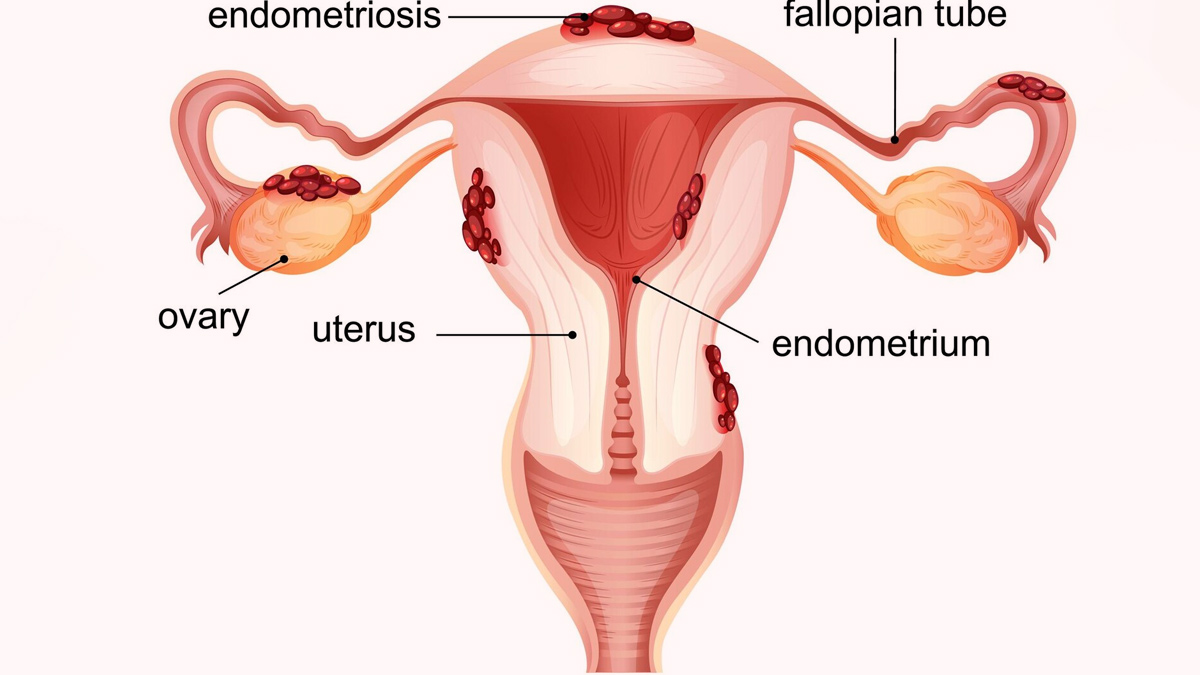
Let us begin by understanding what endometrium is. Dr Arora explains, “Endometrium is the inner lining of the uterus. It is one of the most important tissues in a woman’s reproductive system because it prepares the body for pregnancy every month. This lining thickens and sheds in response to hormonal changes — mainly estrogen and progesterone — throughout the menstrual cycle.”
The expert explains the changes in endometrium with each phase of the cycle:
1. Menstrual Phase (Day 1–5)
If pregnancy does not happen, the endometrium sheds and exits the body as menstrual blood. This shedding is what we call a period.
2. Follicular/Proliferative Phase (Day 6–14)
Under the influence of estrogen, the endometrium begins to rebuild and thicken. This makes the uterus ready for a possible pregnancy.
3. Luteal/Secretory Phase (Day 15–28)
After ovulation, progesterone makes the lining even thicker and richer with blood vessels, preparing it to support a fertilized egg.
“If no pregnancy occurs, hormone levels drop, the lining breaks down—and the next period begins. So, the endometrium grows, matures, and sheds cyclically in response to hormones,” shares Dr Arora.
Do Endometrium Causes Painful First Day of Period?
Now, let us get to the main question – do women experience a painful first day of period due to endometrium? Our expert decodes. “Yes, partly. During menstruation, the endometrium releases chemicals called prostaglandins. High levels of prostaglandins cause the uterus to contract strongly, leading to:
- Cramping
- Lower back pain
- Nausea
- Headaches
“Women with a thicker or more reactive endometrium may experience more pain on the first day of their period. However, severe pain may also be due to conditions like endometriosis, adenomyosis, fibroids, or PCOS, so persistent painful periods should be evaluated,” says Dr Arora.
What Is A Normal Endometrium Size?
If you are wondering what the normal size of an endometrium is, let us answer that for you.
The expert shares that its thickness varies depending on the phase of the menstrual cycle:
- During menstruation: 2–4 mm
- Early proliferative phase: 5–7 mm
- Late proliferative phase (before ovulation): 8–10 mm
- Secretory phase (after ovulation): 10–16 mm
In women who have reached menopause and are not on hormonal therapy, the endometrium should ideally be: ≤ 4–5 mm.
Also Read: Struggling With Thin Endometrium? Know What It is And Can It Be Treated With Regenerative Medicine
What Happens If Your Endometrium Is Thick?
Dr Arora shares that a thicker-than-normal endometrium is known as endometrial thickening or endometrial hyperplasia. She adds that this can cause:
- Heavy periods
- Irregular bleeding
- Spotting between cycles
- Postmenopausal bleeding
- Difficulty conceiving (in some cases)
Causes Of Thickened Endometrium And How Serious It Is
The expert shares the common causes that may cause a thickened endometrium:
- Excess estrogen without progesterone (common in PCOS, obesity, irregular cycles).
- Hormonal imbalance.
- Perimenopause (irregular ovulation leads to unopposed estrogen).
- Endometrial polyps or fibroids.
- Certain medications (like estrogen therapy).
- Diabetes or thyroid disorders.
Endometrial thickening ranges from mild to serious:
Benign thickening → due to hormones; treatable.
Endometrial hyperplasia with atypia → precancerous.
Postmenopausal thickening (>5 mm) → always needs evaluation.
Tips To Maintain A Healthy Endometrium
On this note, Dr Arora shares tips to maintain a healthy endometrium:
- Maintain balanced hormones.
- Regular exercise, sufficient sleep, stress reduction.
- Managing PCOS or thyroid issues.
- Maintain a healthy weight.
- Excess fat increases estrogen levels → thicker lining.
- Eat hormone-balancing foods like flax seeds, leafy greens, berries, omega-3 rich foods, whole grains, and so on.
- Regular periods – Irregular cycles can cause prolonged estrogen exposure.
- Avoid unnecessary estrogen-containing medications.
- Treat underlying conditions early. PCOS, thyroid disorders, and insulin resistance must be managed.
- Regular gynecological check-up, especially during perimenopause or if periods suddenly change.
Also Read: How to Improve Your Uterine Lining to Prepare for IVF?
The Final Word
Endometrium is the inner lining of the uterus. During periods, the endometrium releases chemicals called prostaglandins. High levels of prostaglandins can cause the uterus to contract strongly, which may be the reason behind heavy cramps on the first day of the period.
Also watch this video
FAQ
What is the endometrium?
The endometrium is the inner lining of the uterus.What happens if the endometrium is thick?
A thick endometrium can be a normal and healthy sign, especially during pregnancy, but can also signal a medical condition like endometrial hyperplasia, fibroids, or cancer.What is endometrium normal size?
The normal size of the endometrium varies significantly throughout the menstrual cycle.
How we keep this article up to date:
We work with experts and keep a close eye on the latest in health and wellness. Whenever there is a new research or helpful information, we update our articles with accurate and useful advice.
Current Version
Dec 21, 2025 02:25 IST
Published By : Shruti Das