
Mushrooms are a favoured food option for many. They are not only loved as curries, but also to elevate meals like pasta, salad, soup and noodles. You must have seen how vegetarians prefer to add mushrooms to their daily diet, as they are nutrient-rich and even a good source of protein. But one debate surrounding the food which has always garnered attention is – are mushrooms vegetarian or non-vegetarian? This article will answer this for you.
To get an expert view on this topic, we reached out to Ms Edwina Raj, Head of Services - Clinical Nutrition & Dietetics, Aster CMI Hospital, Bangalore. Read ahead.
Are Mushrooms Plant-based Or Animal-based?
Before we take a deep dive, we need to first understand whether mushrooms are derived from plants or animals. “Mushrooms are plant-based, as in they are not animals; but they are not true plants as well. They belong to their own group, known as fungi. Unlike plants, mushrooms do not have leaves, roots, or flowers, and they do not make food from sunlight through photosynthesis. Instead, they get nutrients by breaking down organic matter, like dead plants or wood. Because they are neither plants nor animals, mushrooms are unique, but they are considered plant-based foods in diets since they are naturally grown and can be eaten like vegetables,” explains Ms Raj.
So, do mushrooms share the nutritional value of plants or animals? “Mushrooms have a nutritional value that is different from both plants and animals. Like plants, they are low in calories, contain fiber, and provide vitamins such as B and minerals like potassium and selenium,” shares the expert.
She adds, “However, unlike most plants, mushrooms also have some protein, including all essential amino acids, similar to animal foods. They are low in fat and have no cholesterol in them. Mushrooms also have antioxidants and compounds that support immunity, which is more like certain animal nutrients. Overall, mushrooms offer a mix of plant and animal benefits, making them a unique and healthy food choice.”
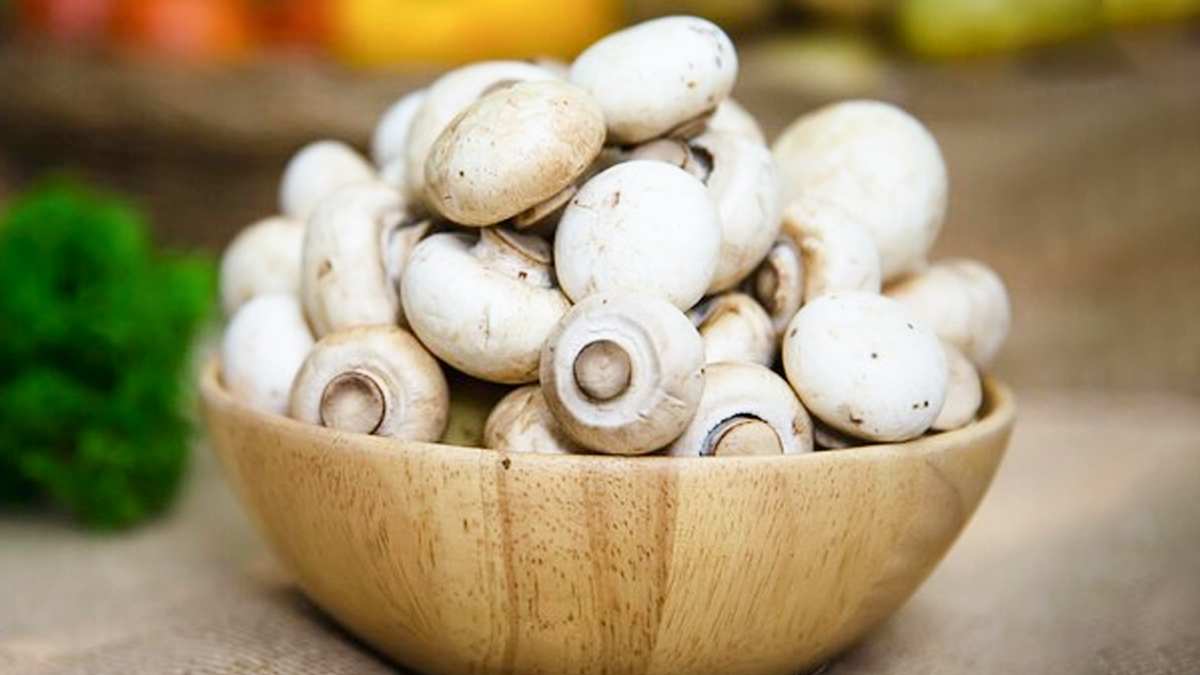 mushrooms 1
Are Mushrooms Considered Vegetarian or Non-vegetarian?
Now that we know that mushrooms are neither plant, nor animal-based, it might have left you more confused. So which category do mushrooms fall under? Vegetarian or Non-vegetarian? Our expert answers.
“Mushrooms fall under the vegetarian category because they are not animals and do not come from meat. They are fungi, which is a separate category of living things, but they are plant-based in diet terms. People who follow vegetarian diets eat mushrooms because they grow from soil and do not involve killing animals,” shares Mr Raj.
She continues, “Mushrooms are often used like vegetables in cooking, added to salads, soups, and main dishes. Vegans also eat mushrooms since they do not contain animal products. So, even though mushrooms are not technically plants, they are fully considered vegetarian and safe for both vegetarian and vegan diets.”
Also Read: Eating Five Mushrooms A Day May Cut Risk Of Alzheimer’s And Heart Disease, Study Finds
Are Mushrooms Vegan-friendly?
So mushrooms are considered vegetarian. But are they vegan as well? “Yes, mushrooms are considered vegan because they are not animals and do not contain any animal products. They are a type of fungi, which grow from soil or organic matter, and are completely plant-based in diet terms. Vegans eat mushrooms freely as a source of nutrition, including protein, fiber, vitamins, and minerals. Mushrooms can replace meat in many dishes because of their texture and flavor, making them a popular choice in vegan cooking. Since no animals are involved in growing or harvesting mushrooms, they are fully suitable for vegan diets and are often considered a healthy, natural, and versatile food option.”
Are you still wondering why mushrooms fall under ‘vegetarian’ despite being a fungi? Our expert explains.
“Mushrooms are considered a vegetarian staple because they do not come from meat, even though they are fungi. They are rich in nutrients like protein, fiber, vitamins, and minerals, which make them a healthy alternative to meat in vegetarian diets. Their unique taste and health benefits make mushrooms a popular and important food in vegetarian diets worldwide,” says Ms Raj.
 mushrooms 2
Nutritional Benefits Of Mushrooms
As per a 2025 study, those who consumed mushrooms – because of either a healthy diet plan or a self-chosen diet – both had a lower risk of cardiometabolic disease, as in could be making your heart stronger. Thus, undoubtedly, mushrooms are very nutritious and provide many health benefits. On this note, Ms Raj shares the nutritional benefits of mushrooms:
They are low in calories and fat but rich in protein and fiber, which help with digestion and feeling full.
Mushrooms contain important vitamins like B vitamins, vitamin D, and minerals such as potassium, selenium, and copper, which support the brain, bones, and immune system. They also have antioxidants that protect cells from damage and may reduce inflammation.
Some mushrooms contain compounds that help lower cholesterol and support heart health.
“Overall, mushrooms are a healthy food that gives nutrients similar to both plants and animals, while being low in calories,” concludes Ms Raj.
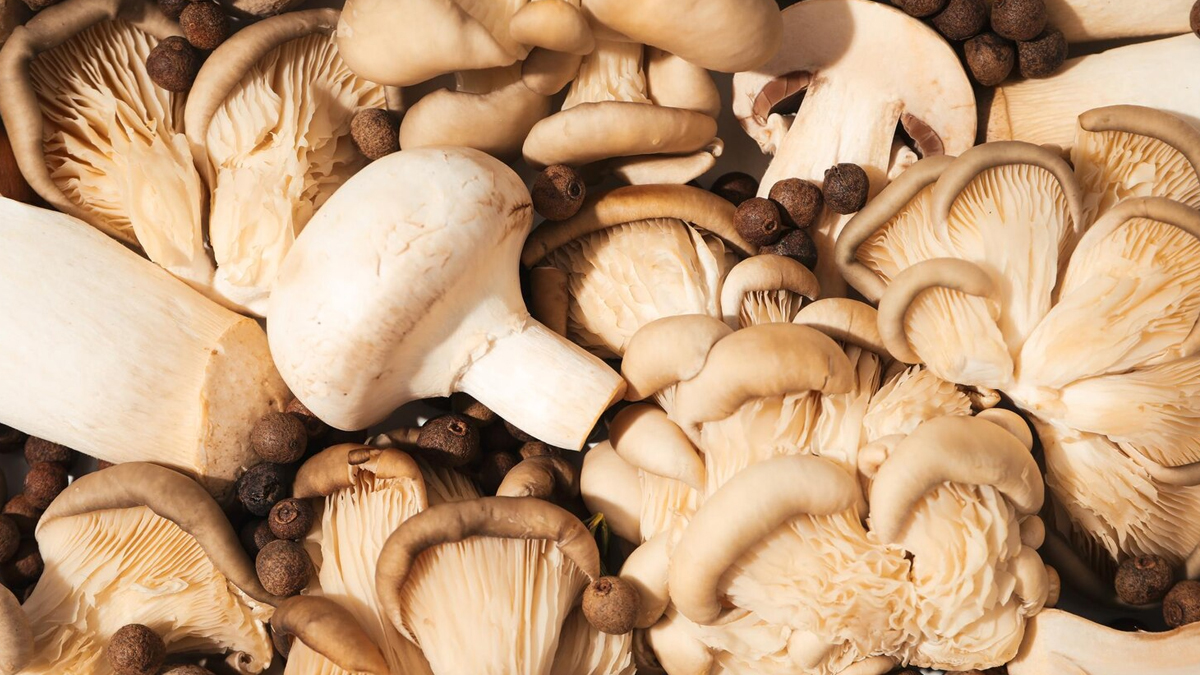 mushrooms 3
The Final Word
Mushrooms are considered vegetarian because they are not animals and do not come from meat. They are fungi, which is a separate category of living things, but they are plant-based in diet terms. People who follow vegetarian diets eat mushrooms because they grow from soil and do not involve killing animals.
FAQ
Is mushroom a veg or non-veg?
Mushrooms are technically fungi, not plants or animals, but are considered vegetarian and vegan.Can you eat mushrooms as a vegetarian?
Yes, vegetarians can eat mushrooms, as they are fungi, not animals.Is mushroom a Satvik food?
No, mushrooms are generally not considered Satvik in traditional Ayurvedic and Yogic practices.
All possible measures have been taken to ensure accuracy, reliability, timeliness and authenticity of the information; however Onlymyhealth.com does not take any liability for the same. Using any information provided by the website is solely at the viewers’ discretion. In case of any medical exigencies/ persistent health issues, we advise you to seek a qualified medical practitioner before putting to use any advice/tips given by our team or any third party in form of answers/comments on the above mentioned website.
How we keep this article up to date:
We work with experts and keep a close eye on the latest in health and wellness. Whenever there is a new research or helpful information, we update our articles with accurate and useful advice.
-
Current Version
Jan 08, 2026 17:15 IST
Modified By : Shruti Das Jan 08, 2026 17:15 IST
Modified By : Shruti DasJan 08, 2026 17:15 IST
Modified By : Shruti DasJan 08, 2026 17:15 IST
Published By : Shruti Das
Reviewed By : Edwina Raj