-1790082248525_m.webp)
A diet of vegetables can be both healthy and rich in fiber, vitamins and minerals. Eating meat isn't necessarily a sign of an unbalanced diet. The key is what you eat in place of. Some nutrients may be missing for a prolonged period if meals are low in protein, pulses, dairy or fortified foods.
This is particularly true of a very restrictive vegetarian diet. The vegetarian diet is generally not a problem if well planned, but may be a risk from nutritional deficiency if improperly planned.
Why Can A Vegetarian Diet Cause Health Problems?
According to Prof Dr SM Fayaz, Lead and Senior Consultant, Internal Medicine, KIMS Hospitals, Mahadevapura, "the concern is mainly about nutrients that are harder to get, or absorb well, from plant foods."
A 2022 Nutrients review of 141 studies found that plant-based diets tended to be higher in fibre, vitamin C, vitamin E and magnesium. Individuals who ate these diets, however, also tended to have lower intakes or levels of vitamin B12, iron, zinc, calcium, vitamin D, iodine and long-chain omega-3 fats.
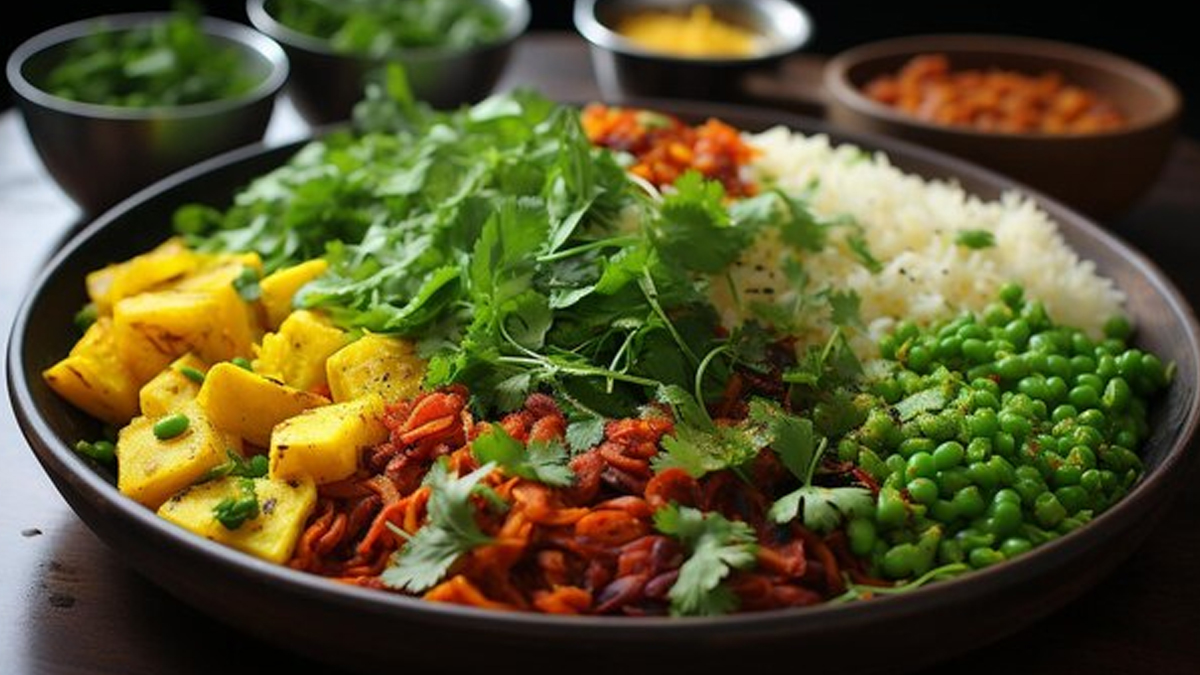
The researchers also noted that nutritional deficiencies may occur on any kind of eating plan. Thus, a person who is vegetarian is not prone to deficiency. The quality and diversity of the diet is important.
What Are Potential 7 Health Problems That Vegetarians Could Have?
Prof Dr Fayaz lists some potential concerns.
1. Vitamin B12 Deficiency
One of the largest nutrients to be mindful of is vitamin B12, particularly for those who do not eat meat or dairy.
Low B12 can cause:
- Fatigue and weakness
- Tingling or numbness
- Anaemia
- Difficulty with remembering or concentrating
- Damage to the nerves if deficiency persists
- Non-dairy/non-egg eaters may require fortified foods or supplements for Vitamin B12..
2. Iron Deficiency Anaemia

Vegetarian foods do contain iron, but plant-based iron is not absorbed as easily as the haem iron found in animal foods.
Low iron can cause:
- Tiredness and weakness
- Headaches
- Pale skin
- Breathlessness
- Increased hair shedding
- This is particularly important for women with heavy periods.
- Eating foods such as lentils, beans and leafy greens with vitamin C-rich foods can help the body absorb more iron.
3. Inadequate Protein Intake
Vegetarians can get enough protein. The problem is that some people eat plenty of rice, roti, vegetables and fruit but very little dal, beans, dairy or other protein-rich foods.
Over time, inadequate protein can affect:
- Muscle strength
- Recovery after exercise or illness
- Satiety
- Hair health
- Good options include dal, lentils, chickpeas, beans, soy, tofu, paneer, yoghurt, milk, nuts and seeds.
4. Calcium And Vitamin D Deficiency
- Those who do not consume any dairy products should be more aware of calcium.
- Low calcium and vitamin D for a long time can have a negative impact on bone health and muscle function.
- Dairy, fortified plant milks, calcium-set tofu, sesame seeds and some leafy greens are good sources of calcium for vegetarians.
- Anyone can have low levels of vitamin D, even with a healthy diet, especially if they don't get enough sun.
5. Low Intake Of Omega-3 EPA And DHA
- Flaxseeds, chia seeds, walnuts and hemp seeds provide ALA, a plant-based omega-3 fat.
- However, the body converts ALA into EPA and DHA only in limited amounts. Fish is a much richer source of these two fats.
- People who do not eat fish can discuss algae-based DHA or EPA supplements with a healthcare professional if needed.
6. Zinc Deficiency
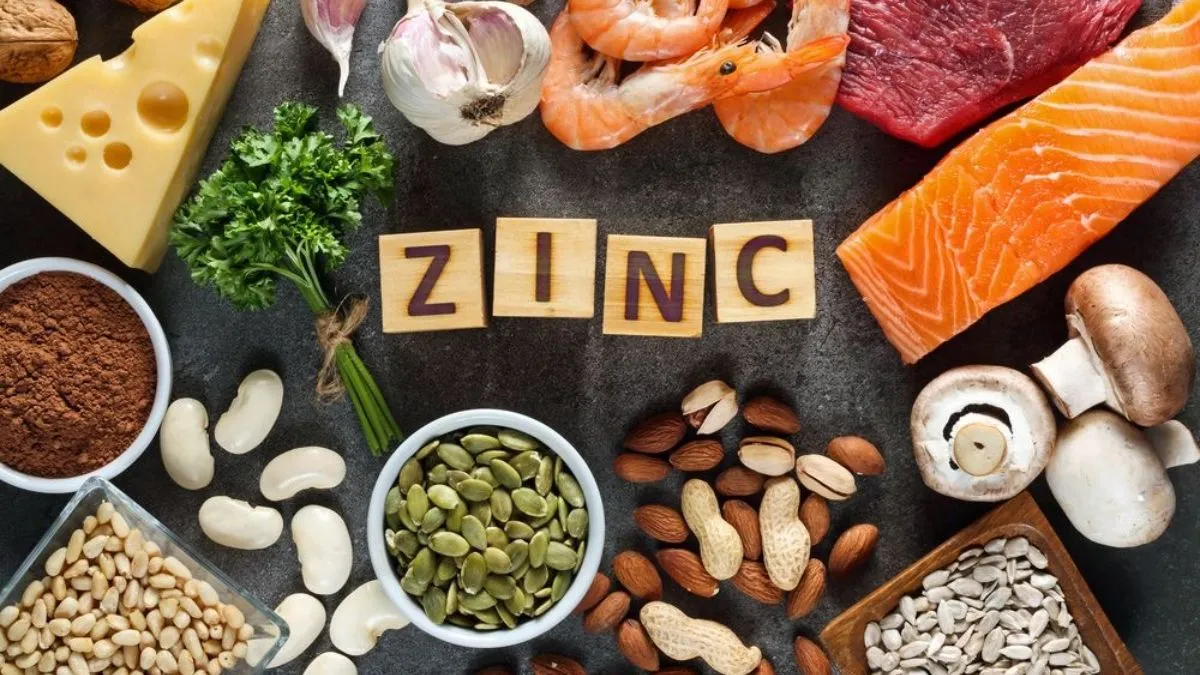
- Zinc is required for immunity, wound healing, skin health and taste and appetite.
- Beans, lentils, nuts, seeds and whole grains are good sources of zinc for vegetarians. These foods also contain phytates, however, which can interfere with zinc absorption.
- Pulses and grains can be soaked, sprouted and fermented to enhance their mineral availability.
7. Too Many Processed Vegetarian Foods
This is an often-overlooked problem. Vegetarian does not always mean healthy. Someone can avoid meat but still eat a lot of biscuits, fried snacks, sugary drinks, refined carbohydrates and packaged vegetarian foods.
A 2024 study of British vegetarians revealed that on average they consumed over 50% of their energy from ultra-processed foods. An increase in consumption was associated with an increase in free sugar intake and a decrease in consumption of fibre, potassium, magnesium and vitamins A and C.
Therefore, the exchange of meat to highly processed foods may result in a lower overall quality of the diet.
Does A Vegetarian Diet Automatically Cause These Problems?
No. Prof Dr Fayaz says, “A vegetarian diet does not necessarily lead to these issues.” Most nutrients are available in a varied diet and are provided by pulses, whole grain foods, vegetables and fruits, nuts, seeds, and appropriate dairy and fortified foods.
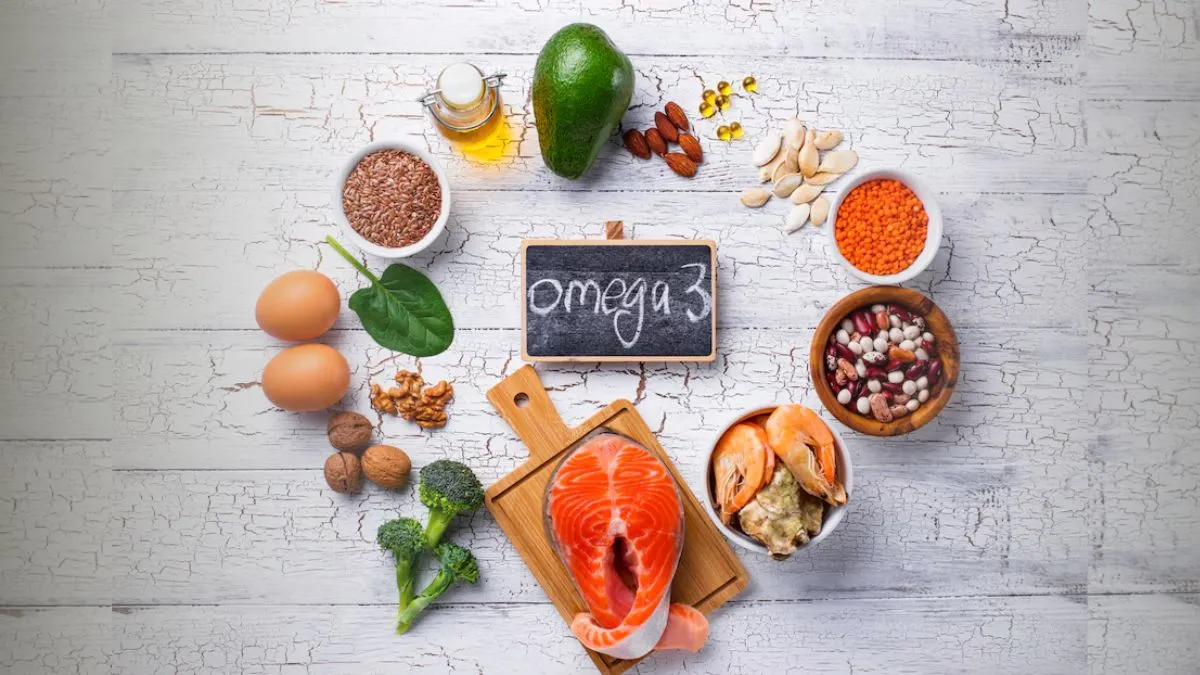
What matters more is a diet that is not varied and limited. Individuals who eat only a vegetarian or vegan diet may need to focus on specific nutrients like B12, iron, calcium, vitamin D and omega-3 fats.
If symptoms like constant tiredness, weakness, numbness and/or abnormal hair loss occur, it is best to consult a physician.
ALSO READ- Feeling Hungry Soon After Eating? Dietitian Shares 7 Possible Causes of Post-meal Cravings
Conclusion
A vegetarian diet can be healthy if it is a well-balanced diet and is varied. It is not that people don't eat meat, it is that they do not have enough variety of food to get the nutrients they need. Having sufficient protein, pulses, dairy or fortified alternatives, nuts, seeds, fruits and vegetables can help close these gaps.
Those who are strictly vegetarian or vegan may need to pay special attention to nutrition, including vitamin B12, iron, calcium, vitamin D and omega-3s. If symptoms continue, like tiredness, weakness or significant hair loss, consult a healthcare professional before taking supplements without medical advice.
FAQ
Why is vegetarian diet better than non-vegetarian diet?
It depends, there is no easy solution. A vegetarian diet can be healthy, if well planned and varied. Meanwhile, a diet rich in refined or processed foods, even without meat, can be unhealthy.What are foods that vegetarians can eat daily?
Eat a variety of protein foods like dal, beans, soya, paneer or yoghurt and vegetables, fruits, whole grains, nuts and seeds. Those who are avoiding dairy foods and eggs should also consider nutrient-dense fortified foods or supplements that provide vitamins and minerals, as needed.
All possible measures have been taken to ensure accuracy, reliability, timeliness and authenticity of the information; however Onlymyhealth.com does not take any liability for the same. Using any information provided by the website is solely at the viewers’ discretion. In case of any medical exigencies/ persistent health issues, we advise you to seek a qualified medical practitioner before putting to use any advice/tips given by our team or any third party in form of answers/comments on the above mentioned website.

How we keep this article up to date:
We work with experts and keep a close eye on the latest in health and wellness. Whenever there is a new research or helpful information, we update our articles with accurate and useful advice.
-
Current Version
Sep 22, 2026 18:37 IST
Modified By : Vivek Kumar Sep 22, 2026 18:37 IST
Modified By : Vivek KumarSep 22, 2026 18:37 IST
Modified By : Vivek KumarSep 22, 2026 18:37 IST
Published By : Vivek Kumar
Reviewed By : Prof Dr S M Fayaz