
With the onset of winters, our bodies require warm and nutritious food to maintain our energy and immune systems in a sound way. Dry skin, constipation, stiffness, and low immunity are some common complaints in people during this season, and nuts are one of the most recommended food in this season. However out of so many of them which one is better in winter; almonds or walnuts?
In an exclusive interaction with the editorial team of Onlymyhealth, our expert, Dr Geetika Chopra, Celebrity Nutritionist and Health Expert, Founder of Magic Dietitian, Delhi, explained, “Neither can be excluded in a diet because both have different functions in increasing our resistance in different ways during colder months.” Read ahead to know what it means and everything that she shared with us.
Why Should Winter Nutrition Be Different?
Winter slows down the digestion, increases dryness in the body, and can aggravate joint pain and inflammation. However, it is important to support the immune system in a struggle with common infectious diseases. In this case, nuts, being high in healthy fats, vitamins, and minerals, prove to be very helpful, but not all kinds of nuts are equal in this case.
As stated by Dr Chopra, almonds and walnuts have different nutritional values, which means they are not competitive foods and tend to complement each other.
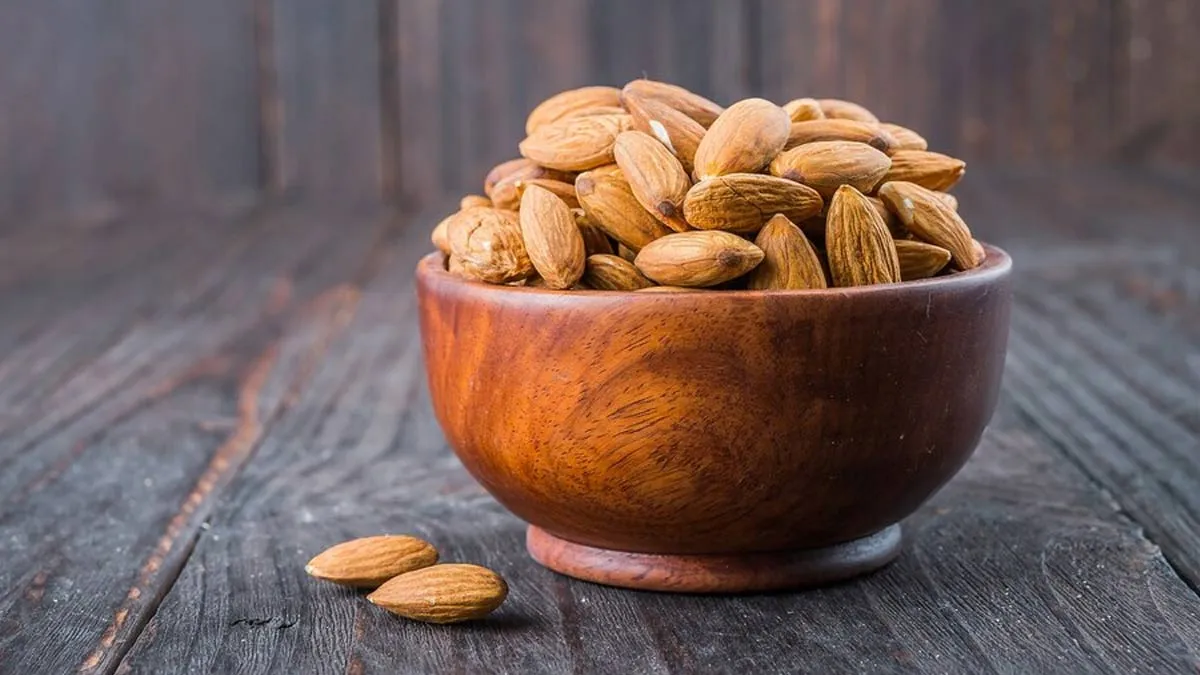 almonds
Benefits of Having Almonds in Winter
Almonds are often considered a daily staple during winters because they are rich in vitamin E, which is a powerful antioxidant that supports skin hydration and immunity, two areas that suffer most in winter. Almonds also provide magnesium, calcium, and good-quality protein, making them ideal for maintaining bone health and muscle strength.
“In winters, I prefer soaked almonds because soaking them increases their digestibility, which definitely enhances the absorption of nutrients from them. Soaking almonds will also help remove nutrients in them that make a person feel heavy,” Dr Chopra added.
For people with acidity, digestive or energy issues during the daytime, almonds function as an energy booster without overloading the digestive system. Lastly, they keep the skin hydrated from inside, thus preventing dullness during winter due to lack of skin hydration.
ALSO READ- The Ultimate Expert-backed Diet To Fight Delhi’s Toxic Air
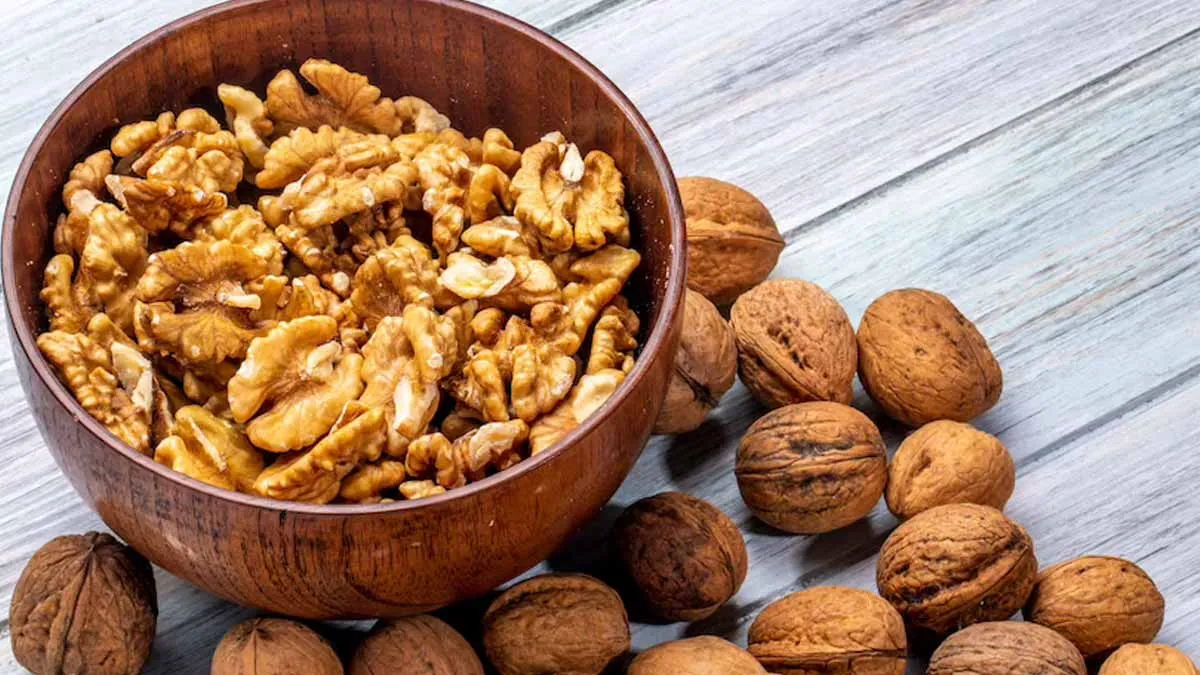 walnuts
Benefits of Having Walnut in Winter
Walnuts, on the other hand, have a more medicinal nature. They are one of the richest sources of plant-derived omega-3 fatty acids, which are very important in combating inflammation and working towards maintaining a healthy heart and brain.
Dr Chopra shared that she often recommends walnuts to patients with joint pain, stiffness, stress, poor sleep, or imbalances in hormones during the winters. Omega-3 fatty acids have antioxidants in them which work wonders for joint fluidity, calming effects on the nervous system, and improving focus in one’s mind; all of which become important when one is affected by poor climatic conditions with additional joint pain, stiffness, and lack
Walnuts are heavier and warming in nature, hence they require being used in smaller amounts, soaked if possible, to avoid digestional inconvenience.
Which One is Better; Almonds or Walnuts?
"This is a question which I have with each of my clients every winter. The reality is, you need almonds and walnuts in your diet for different reasons, and in different ways in each case, especially during the colder months of the year, " Dr Chopra highlighted.
She advised, " Four to five soaked almonds and one to two walnuts a day is a safe combination.” This way almonds will provide everyday strength, nourishment, and digestive comfort, while walnuts will cater to winter protection for the brain, heart, and joints.
Bottomline
Walnuts and almonds do not compete with each other, in fact, they make a dynamic team when it comes to providing the immune system, skin, digestive system, joints, and brain with support during the colder months when they need it most.
FAQ
1. Do almonds and walnuts need to be soaked in winter?
Yes, soaking enhances digestion and absorption of food nutrients, especially during winter when digestion declines.2. Can I consume both almonds and walnuts?
Yes but in moderation. Expert recommend four to five almonds and one to two walnuts per day.3. Almonds or walnuts; which is better for joint pain during winter?
Walnuts are a better option for people with joint pains because they have a higher content of omega-3 fatty acids, which can lower inflammation.
All possible measures have been taken to ensure accuracy, reliability, timeliness and authenticity of the information; however Onlymyhealth.com does not take any liability for the same. Using any information provided by the website is solely at the viewers’ discretion. In case of any medical exigencies/ persistent health issues, we advise you to seek a qualified medical practitioner before putting to use any advice/tips given by our team or any third party in form of answers/comments on the above mentioned website.

How we keep this article up to date:
We work with experts and keep a close eye on the latest in health and wellness. Whenever there is a new research or helpful information, we update our articles with accurate and useful advice.
-
Current Version
Dec 15, 2025 16:16 IST
Modified By : Tanya Srivastava Dec 15, 2025 16:16 IST
Modified By : Tanya SrivastavaDec 15, 2025 16:16 IST
Published By : Tanya Srivastava
Reviewed By : Dr Geetika Chopra