
There are many questions about food during pregnancy, and whether mushrooms can be included in this list. They are a staple in so many meals, and there are a lot of things to be wary of when it comes to consuming foods that aren't contaminated.
The good news is that, for most pregnant women, mushrooms aren't something to worry about. In fact, they include the true nutritional advantages. However, there are a few exceptions to keep in mind. We spoke to two experts, who shared their insights on mushroom consumption during pregnancy, what's safe, what to avoid, and how to prepare them properly.
Are Commercially Grown Mushrooms Safe During Pregnancy?
Yes, generally speaking. "Commercially cultivated mushrooms are generally safe for pregnant people when they are bought from trusted sources, washed in a good way and cooked all the way through," says Dr Deepthi Ashwin, Consultant - Obstetrics and Gynaecology, Aster Women and Children Hospitals, Bangalore.
Not only is it safe, but it's also nutritious. “Mushrooms are rich in dietary fibre, a complex group of B vitamins, selenium, potassium, copper and antioxidants,” says Dr Ashwin. Some varieties treated with UV rays even have vitamin D, which is important for the mother's bones and the baby's developing bones.

Dr Mehnaz Rashid, Consultant - Obstetrician and Gynaecologist, Motherhood Hospitals, Bangalore, echoes this, noting that commercially produced mushrooms are "quite safe to consume during pregnancy as long as you have purchased them from a reliable place and have properly cooked them," adding that they're rich in B-vitamins, selenium, potassium, fibre, and antioxidants that support overall health during this time.
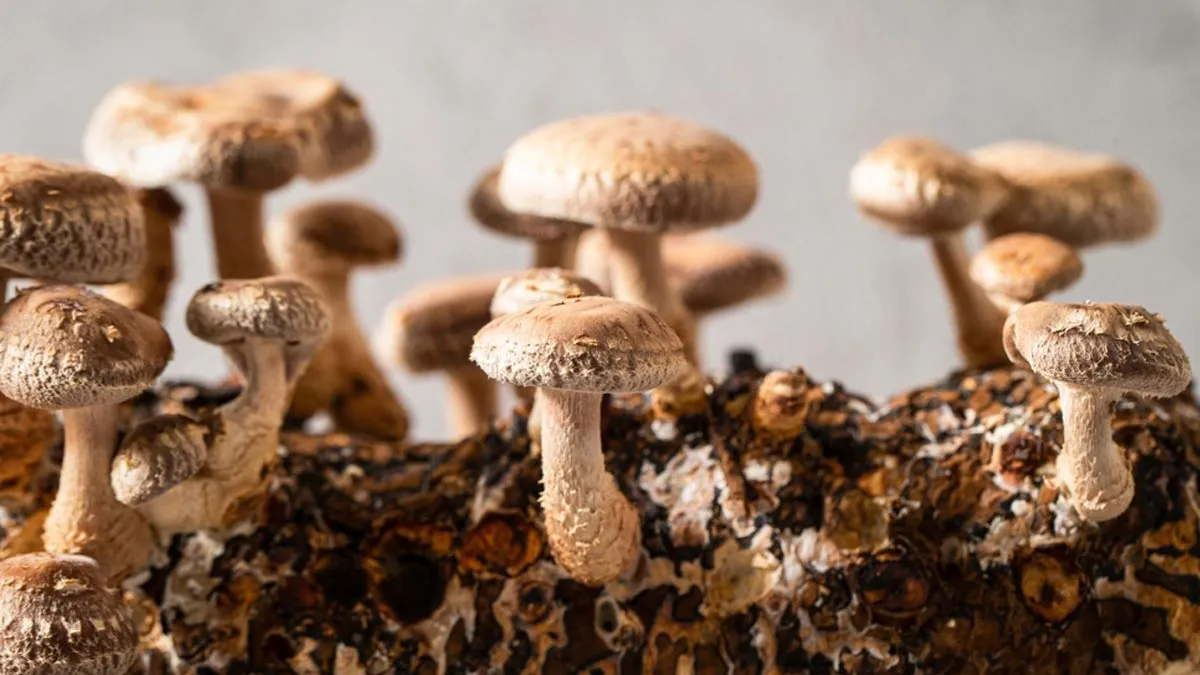
There's also some early research worth mentioning. Dr Ashwin notes that regular mushroom consumption during pregnancy may be linked to a lower chance of gestational hypertension and preeclampsia, though she's careful to add that larger studies are still needed before this becomes any kind of recommendation.
ALSO READ- Is It Safe To Eat Mushrooms in Monsoon?
Which Mushrooms Should Be Avoided?
This is where things get serious. Both experts are firm that wild mushrooms are a hard no during pregnancy.
Dr Ashwin explains, "Even experienced foragers can't tell poisonous from non-poisonous varieties. Certain toxic mushrooms can be harmful, such as liver damage, nervous system problems, miscarriage or even worse. Hallucinogenic or "magic" mushrooms are not permitted either for their mind-altering properties or because there is no safety research during pregnancy.”
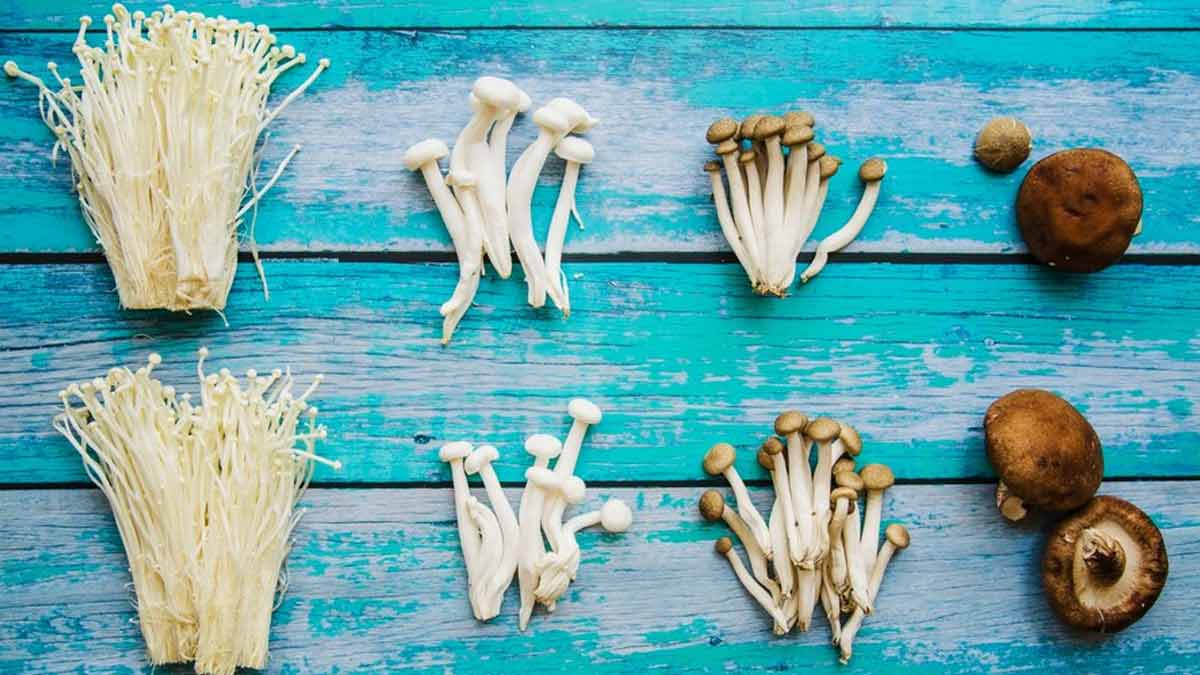
Dr Rashid adds that wild mushrooms "should not be consumed at all because some of them have toxic chemicals inside which can be very dangerous for the mother and the child." Dr Ashwin also flags certain medicinal mushroom products, such as reishi, lion's mane, and maitake, as ones to avoid entirely during pregnancy, since there's no evidence confirming their safety.
According to a 2026 study published in the Journal of Human Nutrition and Dietetics, based on the Kyushu Okinawa Maternal and Child Health Study in Japan, researchers followed nearly 1,200 mother-child pairs. They found that higher mushroom intake during pregnancy was linked to a lower risk of peer-related problems and low prosocial behaviour in children by age five. This suggests a mother's mushroom consumption during pregnancy could play a role in supporting healthy social development in children later on.
How Should Mushrooms Be Prepared During Pregnancy?
It's not just about the mushrooms, as it's also about the preparation. Dr Ashwin notes that mushrooms need to be well washed to get rid of any dirt which may have fallen on them from the earth and could get pregnant women into trouble, as well as their babies.
In simple terms, Dr Rashid says, "Cooking kills harmful microorganisms and makes them safe to eat. The best way to eat them is to wash them thoroughly, and only after they are cooked."

There are a few things to note about this:
- Purchase mushrooms from trusted and reliable suppliers.
- Rinse well before using.
- Cook thoroughly, but not overcooked or undercooked.
- Prevent cross-contamination when preparing food.
ALSO READ- Are Mushrooms Vegetarian Or Non-Vegetarian? Expert Explains
Who Should Be Extra Cautious?
Mushrooms aren't right for everyone during pregnancy. Dr Ashwin points out a few groups who should take extra care:
- Anyone with a mushroom allergy should avoid them entirely
- Those with a weakened immune system should check with their obstetrician first
- Women dealing with major gastrointestinal issues should also seek guidance before including mushrooms in their diet
For a healthy pregnant woman without these concerns, well-cooked mushrooms from a commercial vendor are considered safe to enjoy.
Conclusion
Both doctors are eager to emphasise the fact that mushrooms, despite being nutritious, don't cure all. There are no superfoods that can be eaten during pregnancy, says Dr Rashid. Regardless, balancing food groups, eating fruits and vegetables, whole grains, protein, dairy or other calcium sources, healthy fats and staying hydrated, along with regular prenatal checkups throughout the pregnancy, is much more important.
She says to anyone who has any questions about a particular food, simply consult their gynaecologist or doctor before believing rumours or incorrect information.
FAQ
1. Can pregnant women eat mushrooms every day?
Well-cooked mushrooms, those grown commercially, are safe to eat as part of a balanced diet, but they are not a "superfood”. It is most important to provide variety and overall nutrition rather than any one food.2. Are wild mushrooms ever safe to eat during pregnancy?
No. Wild mushrooms can be very tricky to identify without risk, even for experts, and some wild mushrooms are toxic to mother and baby.
All possible measures have been taken to ensure accuracy, reliability, timeliness and authenticity of the information; however Onlymyhealth.com does not take any liability for the same. Using any information provided by the website is solely at the viewers’ discretion. In case of any medical exigencies/ persistent health issues, we advise you to seek a qualified medical practitioner before putting to use any advice/tips given by our team or any third party in form of answers/comments on the above mentioned website.
How we keep this article up to date:
We work with experts and keep a close eye on the latest in health and wellness. Whenever there is a new research or helpful information, we update our articles with accurate and useful advice.
-
Current Version
Jul 13, 2026 16:39 IST
Published By : Vivek Kumar
Reviewed By : Ms Veena V