
High blood pressure, or hypertension, does far more than raise the numbers on a blood pressure monitor. When blood pressure remains elevated over time, it places constant strain on blood vessels and vital organs, gradually damaging the heart, kidneys, brain, eyes, and arteries. This damage often develops without noticeable symptoms, which is why hypertension is often called the silent killer.
According to our expert, Dr Bhat, uncontrolled high blood pressure can silently injure the body for years before any warning signs appear. “The real danger of hypertension is not what you feel day to day, but the long-term damage it causes to blood vessels and organs, often before symptoms become obvious,” he explains.
The 2025 global estimate by the World Health Organization (WHO) reveals that high blood pressure is a major contributor to some of the world's biggest health problems and preventable deaths, including heart disease, stroke, and kidney failure. According to another WHO report, hypertension affects over 1.28 billion adults globally, with roughly 46% unaware of their condition.
Read ahead to know what high blood pressure really does to the body, including its effects on the heart, kidneys, brain, eyes, arteries, and long-term organ function, along with why controlling blood pressure early is essential to prevent irreversible complications.
Why High Blood Pressure Causes Damage
Blood pressure is the force exerted by blood against the walls of the arteries. Normal pressure is essential for the circulation of oxygen and nutrients. However, when this force stays too high for too long, it begins to injure the inner lining of the arteries, known as the endothelium. This damage triggers:
- Arterial stiffness
- Inflammation
- Plaque buildup
- Narrowing of blood vessels
- Reduced blood flow to organs
According to Dr Bhat, “Persistent hypertension damages blood vessels at both the macrovascular and microvascular level. Over time, this impairs blood supply to essential organs and raises the risk of irreversible organ damage.” This process, often known as end-organ damage, can affect nearly every major organ system.
How High Blood Pressure Damages the Heart
The heart is one of the organs most heavily affected by high blood pressure, because it must work harder to pump blood against increased resistance. Here’s how high blood pressure damages the heart:
1. It Causes the Heart Muscle to Thicken
When blood pressure stays high, the heart, especially the left ventricle, its main pumping chamber, must generate more force. Over time, this can lead to a condition called Left Ventricular Hypertrophy (LVH), which means the heart muscle becomes abnormally thick. Although this may sound beneficial, the thickened heart muscle becomes:
- Stiffer
- Less efficient
- More oxygen-dependent
Dr Bhat explains, “LVH is a sign that the heart is under chronic strain. This thickening can eventually reduce the heart’s ability to pump blood properly, raising the risk of future heart failure.”
ALSO READ- When Do You Actually Need To Start Medicine For High Blood Pressure?
 1-bp
1-bp
2. It Increases the Risk of Coronary Artery Disease
According to a 2022 study published in Frontiers in Cardiovascular Medicine, high blood pressure damages the coronary arteries that supply blood to the heart, which can lead to a buildup of fatty plaque inside the walls of your arteries, a condition known as atherosclerosis.
As these arteries narrow, blood flow to the heart decreases, increasing the risk of:
- Angina
- Heart attack
- Sudden cardiac events
A 2025 report on the American Heart Association (AHA) notes that hypertension is a major contributor to coronary artery disease, which remains one of the leading causes of death globally.
3. It Can Lead to Heart Failure
If the heart has to work harder to pump blood due to high blood pressure, it can get tired and weak over time. Once the heart gets too weak, it cannot pump blood as it should, and that's when the risk of heart failure increases. However, heart failure caused by uncontrolled hypertension is often preventable with early blood pressure control.
Some common symptoms can include:
- Shortness of breath
- Fatigue
- Swelling in the legs
- Reduced exercise tolerance
How High Blood Pressure Damages the Kidneys
The kidneys contain millions of tiny blood vessels responsible for filtering waste and maintaining fluid balance. These blood vessels are really fragile, so they can get easily damaged if you have high blood pressure. Here’s how:
1. It Damages the Kidney’s Filtering System
High blood pressure narrows and weakens the blood vessels inside the kidneys, which reduces blood flow and damages the filtering units called glomeruli, impairing the kidneys’ ability to:
- Remove waste
- Regulate electrolytes
- Balance fluids
According to Dr Bhat, high blood pressure can hurt the kidneys over time by damaging the small blood vessels that help filter waste from the blood. “What's really concerning is that this damage can happen without you even realising it, and it can be a silent threat to your health,” he adds.
2. It Can Cause Chronic Kidney Disease
As damage progresses, the kidneys lose filtering efficiency, leading to Chronic Kidney Disease (CKD). According to the National Kidney Foundation, uncontrolled high blood pressure is the second leading cause of kidney failure. Early CKD may not cause symptoms, but over time it can lead to:
- Fatigue
- Swelling
- Fluid retention
- Abnormal creatinine levels
3. It May Progress to Kidney Failure
Blood pressure control is critical for preserving kidney function because if kidney damage becomes severe, the kidneys may fail. At this stage, treatment may require:
- Dialysis
- Kidney transplant
How High Blood Pressure Affects the Brain
The brain relies on a constant supply of oxygen-rich blood. When hypertension damages the arteries supplying the brain, it significantly increases the risk of neurological complications, such as:
1. It Raises Stroke Risk
The AHA states that high blood pressure is one of the strongest risk factors for stroke. It contributes to stroke by:
- Damaging artery walls
- Promoting blood clots
- Weakening blood vessels
Which can eventually lead to:
- Ischemic stroke, caused by a blocked artery
- Haemorrhagic stroke, caused by a ruptured vessel
According to the Centers for Disease Control and Prevention (CDC), hypertension is a leading contributor to stroke risk, with approximately 75% of people experiencing a stroke having high blood pressure. Dr Bhat explains, “Uncontrolled hypertension dramatically increases the risk of both clot-related and bleeding strokes by damaging the blood vessels in the brain.”
ALSO READ- How to Travel Safely with High Blood Pressure: Expert Guide
 brain
brain
2. It Contributes to Cognitive Decline
Long-term hypertension can reduce blood flow to the brain and damage small vessels. A 2024 study published in the Journal of Clinical Medicine has shown that uncontrolled hypertension in midlife increases the risk of cognitive decline later in life. This may contribute to:
- Memory loss
- Difficulty concentrating
- Vascular dementia
3. It Can Cause Mini-Strokes
High blood pressure increases the risk of Transient Ischemic Attacks (TIAs), often called mini-strokes. These are temporary interruptions in blood flow to the brain and are important warning signs of future stroke risk.
How High Blood Pressure Damages the Eyes
The eyes contain tiny blood vessels that are highly sensitive to elevated pressure. Over time, hypertension can damage the retina, which is the tissue responsible for detecting light.
1. It Causes Hypertensive Retinopathy
High blood pressure can cause hypertensive retinopathy, which is caused by
- Narrowing of retinal arteries
- Bleeding in the retina
- Swelling of retinal tissues
Dr Bhat explains, “Damage to retinal blood vessels is one of the visible signs of hypertension-related vascular injury elsewhere in the body.”
2. It Can Lead to Vision Loss
It's crucial to keep an eye on your blood pressure regularly because if retinal damage worsens, it may cause:
- Blurred vision
- Vision disturbances
- Permanent vision loss
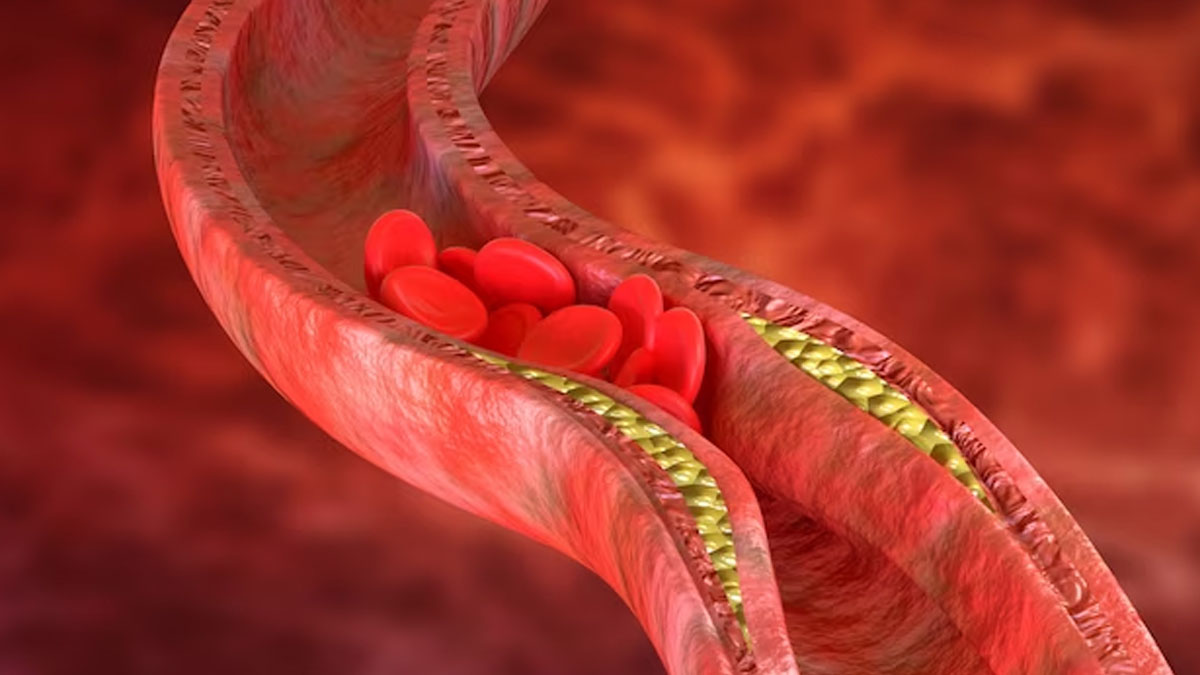
How High Blood Pressure Damages Blood Vessels Throughout the Body
Hypertension injures arteries throughout the body, causing:
- Arterial stiffness
- Endothelial damage
- Plaque buildup
- Narrowing of circulation
These changes increase the risk of:
- Peripheral artery disease
- Aneurysm
- Poor circulation
According to Dr Bhat, “Hypertension is a whole-body vascular disease. The damage is not limited to one organ, and it affects the entire circulatory system.”
 vessles
Long-Term Consequences of Uncontrolled Hypertension
Over time, untreated hypertension increases the risk of:
- Heart attack
- Heart failure
- Stroke
- Kidney failure
- Vision loss
- Vascular dementia
- Premature death
Dr Bhat emphasises, “Many patients underestimate hypertension because it causes no symptoms early on, but by the time complications appear, significant organ damage may already be present. This is why early diagnosis and treatment are essential.”
Why Early Blood Pressure Control Protects Your Organs
Controlling your blood pressure from the start can make a big difference in preventing organ damage over time. The goal is not simply to lower numbers but to prevent irreversible damage to the heart, brain, kidneys, eyes, and arteries. This may include:
- Blood pressure medication
- Lower sodium intake
- Regular exercise
- Weight management
- Routine monitoring
- Smoking cessation
Bottomline
High blood pressure can quietly harm the heart, kidneys, brain, eyes, and blood vessels, sometimes years before you even notice anything is wrong. If left unchecked, it can eventually lead to some serious problems like heart attacks, strokes, kidney failure, heart failure, loss of vision, and even affect one's ability to think clearly.
As per experts, hypertension causes silent but progressive injury to vital organs. The earlier blood pressure is controlled, the better the chance of preventing irreversible damage.
FAQ
1. Can high blood pressure damage organs even if I feel fine?
Yes. High blood pressure often causes silent organ damage, especially to the heart, kidneys, brain, and eyes, even when symptoms are absent.2. Which organs are affected first by high blood pressure?
The heart and blood vessels are often affected early, followed by the kidneys, brain, and eyes.3. Can high blood pressure cause permanent kidney damage?
Yes. Long-term uncontrolled hypertension can permanently damage the kidney blood vessels and lead to chronic kidney disease or kidney failure.4. Does hypertension increase dementia risk?
Yes. Long-term hypertension is linked to vascular dementia and cognitive decline due to reduced blood flow and small vessel damage in the brain.5. Can blood pressure damage be reversed?
Some early damage may improve with treatment, but advanced organ damage may be permanent.
All possible measures have been taken to ensure accuracy, reliability, timeliness and authenticity of the information; however Onlymyhealth.com does not take any liability for the same. Using any information provided by the website is solely at the viewers’ discretion. In case of any medical exigencies/ persistent health issues, we advise you to seek a qualified medical practitioner before putting to use any advice/tips given by our team or any third party in form of answers/comments on the above mentioned website.

How we keep this article up to date:
We work with experts and keep a close eye on the latest in health and wellness. Whenever there is a new research or helpful information, we update our articles with accurate and useful advice.
-
Current Version
Apr 21, 2026 19:04 IST
Modified By : Tanya Srivastava Apr 21, 2026 19:04 IST
Modified By : Tanya SrivastavaApr 21, 2026 19:04 IST
Published By : Tanya Srivastava
Reviewed By : Dr Sanjay Bhat