
High blood pressure, also called hypertension, often develops silently, without causing noticeable symptoms. That's why many people are unsure when they actually need to start medicine for high blood pressure. In many cases, doctors first recommend lifestyle changes such as reducing sodium, losing weight, and increasing physical activity. However, if the blood pressure still stays high, or when other cardiovascular risk factors are present, then starting medicine may be the safest way to prevent serious complications.
According to our expert, Dr Bhat, the decision to begin blood pressure medication depends on an individual’s average blood pressure readings, their risk of heart disease or stroke, their age, and whether hypertension is already affecting organs such as the heart or kidneys. Starting treatment at the right time is essential because untreated high blood pressure increases the risk of heart attack, stroke, kidney disease, and heart failure, even if you feel completely well.
Read ahead to know when doctors prescribe blood pressure medicine, which blood pressure levels require treatment, what symptoms and risk factors matter, and the common mistakes people make when deciding whether to start hypertension medication.
Why Starting Blood Pressure Medicine Matters
Many people think medication is only needed when blood pressure becomes dangerously high. In reality, doctors often recommend treatment before symptoms develop because high blood pressure gradually damages the body.
According to the Cleveland Clinic, constantly elevated blood pressure puts extra strain on the arteries, heart, brain, and kidneys. Over months or years, this can lead to:
- Heart attack
- Stroke
- Heart failure
- Kidney damage
- Vision problems
- Peripheral artery disease
According to a 2025 global estimate by the World Health Organization, hypertension is one of the leading contributors to premature cardiovascular disease and preventable death, largely because many people delay treatment until complications appear.
Dr Bhat emphasises that deciding when to start taking medication isn't just about the numbers you see on your blood pressure monitor, but about lowering the chances of getting heart disease, having a stroke, or damaging your organs over time.
“Hence, understanding when blood pressure medicine becomes necessary is a key part of preventing long-term health complications,” he says.
ALSO READ- What is Salt Sensitivity? Its Causes, Risks, Emergency Tips, and How to Manage
 1-med
Understanding the Blood Pressure Levels That Guide Treatment
Doctors use repeated blood pressure measurements to determine whether medication is necessary. Blood pressure is recorded as:
- Systolic pressure: the pressure in the arteries when the heart beats.
- Diastolic pressure: the pressure in the arteries when the heart rests between beats.
Blood pressure categories are generally defined as follows:
Normal Blood Pressure: Below 120/80 mmHg
This is considered the healthy range, and you don't need to take any medication, but it's still important to follow healthy habits to avoid high blood pressure down the line.
Elevated Blood Pressure: 120-129 Systolic and Below 80 Diastolic
At this stage, blood pressure medicine is usually not prescribed and making a few simple lifestyle changes can really help get your blood pressure back under control. Instead, doctors recommend:
- Lowering salt intake
- Exercising regularly
- Managing stress
- Maintaining a healthy weight
Stage 1 Hypertension: 130-139 Systolic or 80-89 Diastolic
This is where many people question whether they need medicine for their blood pressure. According to Dr Bhat, the answer depends on your overall cardiovascular risk. Medication may be recommended if:
- You have diabetes
- You have kidney disease
- You have heart disease
- Your 10-year cardiovascular risk is high
- Lifestyle changes have not lowered your readings
Stage 2 Hypertension: 140/90 mmHg or higher
“When your blood pressure gets this high, your doctor will probably suggest that you start taking medicine to lower it, especially if your readings are still too high after a few checks,” Dr Bhat warns.
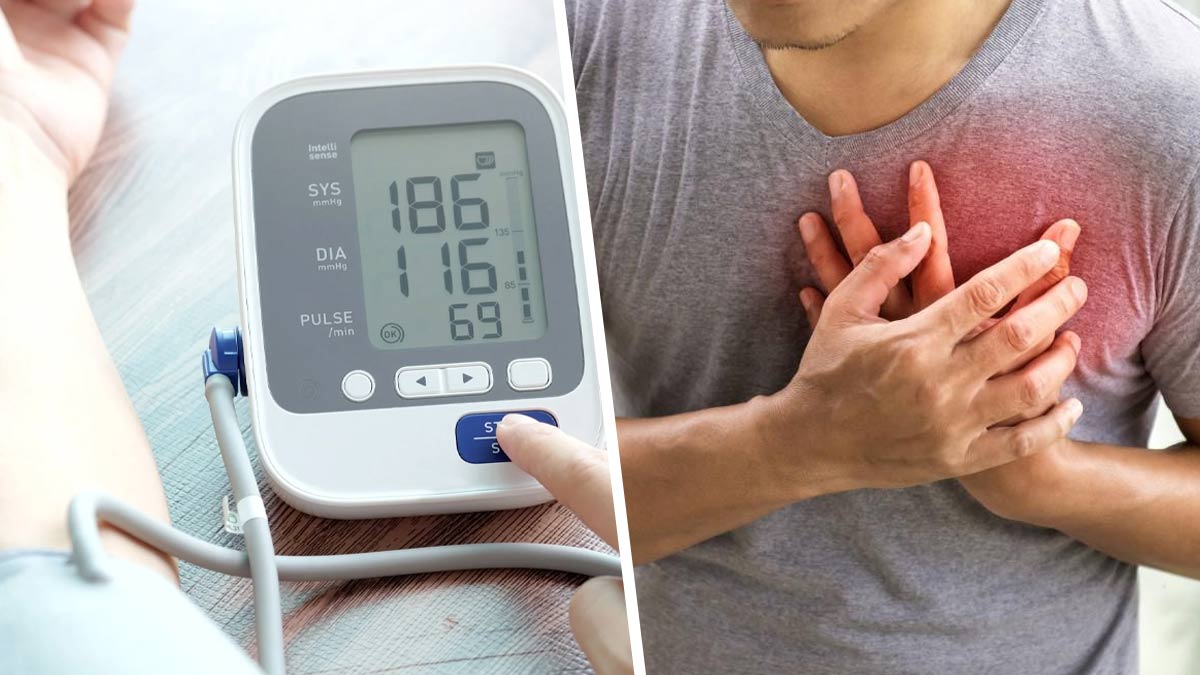
Hypertensive Crisis: 180/120 mmHg or higher
This is considered a medical emergency that requires immediate doctor intervention, particularly if symptoms occur, such as:
- Chest pain
- Severe headache
- Shortness of breath
- Confusion
- Blurred vision
ALSO READ- Is Dark Chocolate Good for Heart Health? Expert Shares Its Benefits, Risks, and How Much Is Safe
 2-med
When Lifestyle Changes May Be Enough Before Medication
You don't necessarily need to take medication as soon as you're diagnosed with high blood pressure. For people with elevated blood pressure or low-risk Stage-1 hypertension, doctors often recommend lifestyle treatment before starting medication. Here are a few recommended lifestyle changes:
1. Reducing Sodium Intake
The Harvard Health highlights that excess sodium causes the body to retain fluid, which raises blood pressure. Dr Bhat suggests that reducing processed and packaged foods can significantly lower sodium intake.
2. Losing Excess Weight
Even modest weight loss can improve blood pressure. The Translational Behavioral Medicine cites that losing 5-10% of body weight may reduce cardiovascular strain.
3. Regular Exercise
The American Heart Association highlights that getting physically active and exercising regularly can help control high blood pressure significantly. Just 150 minutes of moderate physical activity per week, or 75 minutes every week of high-intensity aerobic activity, can help lower blood pressure naturally.
4. Limiting Alcohol
Excess alcohol raises blood pressure and reduces the effectiveness of lifestyle interventions such as diet and exercise. According to the Journal of Clinical Hypertension (JCH), excess alcohol consumption is defined as more than two drinks per day for men or one for women.
5. Stopping Smoking
Smoking damages blood vessels by causing inflammation, plaque buildup (atherosclerosis), and increasing blood thickness, which, according to the Centers of Disease Control (CDC), significantly elevates the risk of high blood pressure, heart attacks, strokes, and peripheral artery disease.
6. Following a DASH-Style Diet
According to a 2025 medical study, consuming a diet rich in fruits, vegetables, whole grains, and lean proteins can help reduce blood pressure.
Dr Bhat says that changing your lifestyle is usually the first step to controlling blood pressure, but you have to stick with it. He shares, “If your blood pressure stays high even after making these changes, you might need to take medicine to prevent serious problems in the future.”
Doctors usually reassess blood pressure after three to six months of sustained lifestyle modification.
How Doctors Decide When to Start Blood Pressure Medicine
The decision to prescribe hypertension medication is based on multiple factors, not just one reading. Here’s how:
1. Persistent High Blood Pressure Readings
Blood pressure can temporarily rise due to stress, anxiety, caffeine, illness, or poor sleep, and doctors confirm hypertension using:
- Repeated office readings
- Home blood pressure logs
- Ambulatory blood pressure monitoring
“And, if your blood pressure stays high for a long time, you're more likely to need medicine to control it,” adds Dr Bhat.
2. Overall Cardiovascular Risk
Two people with the same blood pressure reading may receive different treatment recommendations. Doctors evaluate risk factors such as:
- Age
- Diabetes
- Smoking habits
- Obesity
- High cholesterol
- Family history of heart disease
A person with 130/80 and diabetes may need medication sooner than someone with 130/80 and no other risks.
3. Evidence of Organ Damage
If high blood pressure has already taken hold, your doctor might suggest starting medication sooner to help get it under control. Some signs include:
- Protein in the urine
- Reduced kidney function
- Heart enlargement
- Retinal blood vessel changes
The results mentioned above show that high blood pressure is already damaging our bodies.
4. Failure of Lifestyle Changes
If your blood pressure is high and you’re not taking medications, the wait can increase the risk of:
- Heart attack
- Stroke
- Kidney disease
Symptoms Should Not Be the Reason You Wait for Treatment
One of the most dangerous myths is that you only need blood pressure medicine if you feel symptoms. In reality, high blood pressure often causes no symptoms, even when it is significantly elevated.
Dr Bhat reports that people sometimes assume that the following signs mean their blood pressure is high:
- Headaches
- Dizziness
- Flushing
- Anxiety
“However, these symptoms are not reliable indicators. “Many patients wait for symptoms before taking hypertension seriously, but by then, blood pressure may already be damaging the heart, kidneys, or brain,” he stresses. This is why hypertension is often called the silent killer.
 heart
Common Mistakes People Make Before Starting Blood Pressure Medicine
Understanding common mistakes in hypertension treatment decisions can help prevent complications. Some commonly reported mistakes include:
1. Waiting Until Symptoms Appear
Since hypertension is often silent, people tend to wait for symptoms to show up, which delays their treatment for years.
2. Assuming One High Reading Means Lifelong Medication
A single elevated reading does not automatically mean you need medicine. Doctors confirm trends before prescribing treatment.
3. Delaying Treatment Out of Fear
Some patients avoid medication because they worry:
- They will become dependent
- Treatment will be lifelong
- Medicines are unsafe
In reality, starting medicine at the right time reduces long-term health risks.
4. Relying Only on Lifestyle Changes for Too Long
Lifestyle changes are essential, but they may not be enough for everyone. Delaying medication despite persistently high readings increases the risk of complications.
5. Stopping Medicine When Readings Improve
Blood pressure often improves because the medicine is working. Stopping medication suddenly can cause readings to rise again.
Long-Term Risks of Waiting Too Long to Start Medication
According to the Mayo Clinic, untreated hypertension can damage the body even without symptoms. Over time, it increases the risk of:
- Stroke
- Heart attack
- Heart failure
- Kidney failure
- Vision loss
Dr Bhat highlights, “When it comes to treating high blood pressure, the main goal isn't just about getting a lower reading, but about protecting your heart, brain, kidneys, and blood vessels from damage that can happen over time.”
Bottomline
You may need to start medicine for high blood pressure when your readings remain at 140/90 mmHg or higher, when Stage 1 hypertension occurs alongside risk factors such as diabetes or kidney disease, or when lifestyle changes alone fail to bring blood pressure under control. Keeping a close eye on blood pressure and getting early medical help can make a big difference in preventing silent complications of hypertension and protecting long-term cardiovascular health.
FAQ
1. At what blood pressure do doctors start medication?
Doctors often recommend medication when blood pressure stays at 140/90 mmHg or higher, or earlier in people with high cardiovascular risk.2. Do I need blood pressure medicine at 130/80?
Not always. If you have diabetes, kidney disease, or high cardiovascular risk, medication may be recommended.3. Can lifestyle changes replace blood pressure medication?
For some people with mild hypertension, yes. Others may still need medication even with healthy lifestyle habits.4. Can I stop blood pressure medicine if my readings improve?
Only under the guidance of a doctor. Stopping suddenly may cause blood pressure to rise again.5. Why do doctors start medication even without symptoms?
Because high blood pressure often causes silent damage before symptoms appear.
All possible measures have been taken to ensure accuracy, reliability, timeliness and authenticity of the information; however Onlymyhealth.com does not take any liability for the same. Using any information provided by the website is solely at the viewers’ discretion. In case of any medical exigencies/ persistent health issues, we advise you to seek a qualified medical practitioner before putting to use any advice/tips given by our team or any third party in form of answers/comments on the above mentioned website.
How we keep this article up to date:
We work with experts and keep a close eye on the latest in health and wellness. Whenever there is a new research or helpful information, we update our articles with accurate and useful advice.
-
Current Version
Apr 21, 2026 18:51 IST
Modified By : Tanya Srivastava Apr 21, 2026 18:51 IST
Modified By : Tanya SrivastavaApr 21, 2026 18:51 IST
Published By : Tanya Srivastava
Reviewed By : Dr Sanjay Bhat