
High blood pressure (BP) poses several health risks, especially when you are travelling. This is because travel brings about various changes in your routine, diet, physical activity, among other things. What factors should you keep in mind while travelling, if you have high BP? This article will help you understand this better.
To get a comprehensive picture of this from a medical point of view, the editorial team of OnlyMyHealth reached out to Dr Pooja Pillai, Consultant, Internal Medicine, Aster CMI Hospital, Bangalore and Dr VP Sharma, Director and Senior Consultant Cardiology, Fortis Hospital Jalandhar.
Is It Safe To Travel With High BP?
Let us begin by understanding how safe it is to travel for individuals who have high BP. Dr Sharma explains, “Travelling with hypertension can be perfectly fine provided that your BP remains stable. The key is stability, your readings should be within your doctor’s advised range and medications should be taken regularly. Long trips can cause small BP changes since the body experiences some stress during travelling, dehydration and physical inactivity. However, if BP is not controlled or you have recently suffered from a heart attack or stroke, you must ask for permission from your healthcare professional.”
Adding to this, Dr Pillai shares, “travelling with high BP is safe if you plan carefully and manage your health properly.” A 2021 study, published in ‘The Anatolian Journal of Cardiology’, found that air travel may increase an individual’s blood pressure. This is because of reduced oxygen levels and air pressure inside a flight. However, this poses risk to those whose blood pressure levels exceed 180/120. These individuals must seek doctor’s advice before travelling, noted the study. The findings noted that there are other factors which can lead to BP shooting up during air travel, such as stress during takeoff or landing, aircraft’s noise, among others. Researchers mentioned that to avoid hassles while travelling, stay hydrated, walk around the flight cabin every two hours if possible, among others.
 travel BP 1
According to the Journal of the American Heart Association, visiting high-altitude locations may be risky for individuals with high blood pressure or certain heart conditions. The research added that when those with cardiovascular diseases travel to mountainous regions, it puts stress on their body. This is because of reduced oxygen availability in those areas, as compared to sea-level conditions.
ALSO READ - How Much Salt Is Safe For Heart Patients? Experts Explain
How To Plan Your Medication While Travelling
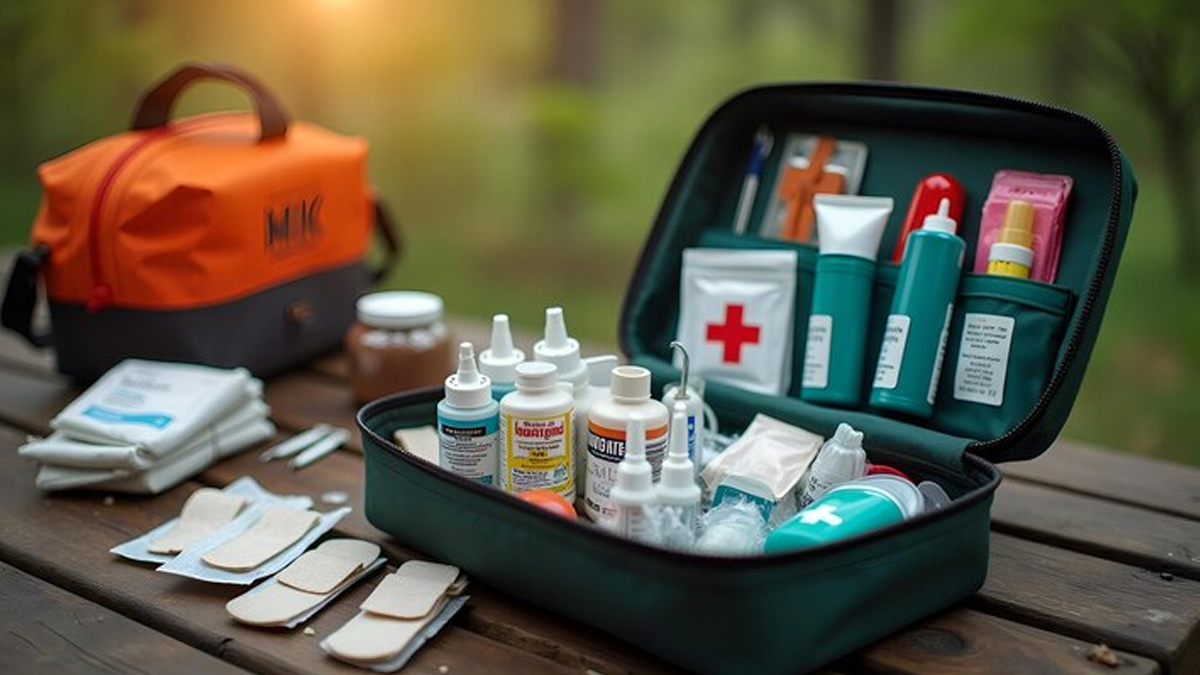
Medications are crucial to keep high BP in check. “Always carry enough medicines for the full trip plus a few extra days; keep them in your hand luggage and follow your regular timing even across time zones. Carry your prescription or doctor’s note in case you need repeats or face airport checks,” says Dr Pillai.
Dr Sharma lists these points for your better understanding:
- Carry more medication than needed, at least a few extra days’ supply.
- Keep medicines in your hand luggage, not checked-in bags.
- Maintain your routine dosing schedule, even across time zones (your doctor can guide adjustments).
- Set alarms so you don’t miss doses.
- Carry a copy of your prescription and a list of medications, including dosages.
- If you use a BP monitor, consider taking a compact one along for longer trips.
 travel BP 3
Diet and Hydration Tips For Travellers with High BP
Not just medications, you must follow the right diet even when travelling, to keep your blood pressure in control. Dr Sharma says, “During travel, people may tend to consume foods that are not good for their health. Avoid eating processed foods, which contain too much salt. Avoid excess salt, packaged snacks, and sugary drinks. In addition, carry healthy foods, such as fruits, nuts, and water to prevent dehydration. You should avoid beverages that increase BP, including caffeine and alcoholic drinks.”
Speaking about diet, Dr Pillai shares, “Try to avoid high-salt foods like packaged snacks, fast food, and restaurant meals. Choose simple home-style food, include fruits, vegetables, and protein, and ask for low-salt options whenever possible to keep your blood pressure stable.”
Hydration is also important for overall well-being. Regarding this, Dr Pillai explains, “Drink enough water throughout the day, especially during flights or hot weather, because dehydration can increase blood pressure and cause fatigue or dizziness, but limit sugary drinks and excess caffeine.”
 travel BP 2
Stress Management and Emergency Precautions For Travellers With High BP
Our experts share some tips that can help travellers, who struggle with high BP, manage their stress and take precautions for emergency situations. Let’s take a look.
Stress Management
Dr Pillai shares the following tips:
- Get enough sleep.
- Avoid rushing.
- Practise deep breathing.
- Take short breaks, because stress can raise blood pressure suddenly.
“Travelling is stressful and causes anxiety, particularly for people with high BP. The patients should make a detailed itinerary for their travel in order to avoid being rushed. They should practise relaxation techniques, such as breathing exercises and walking in order to reduce stress levels,” adds Dr Sharma.
Emergency Precautions
- Carry a small health card with your condition, medicines, and emergency contact.
- Know nearby hospitals.
- Seek help immediately, if you feel chest pain, severe headache, or dizziness.
A 2023 study, published in ‘Springer Medicine’ journal, examined adult travellers before and after an international trip to check whether their BP stays stable. The study found that about 29% of the travellers had high BP, but they were unaware of it. Therefore, the research emphasised on the importance of getting yourself checked before and after a trip. They added that the travellers who did so, while monitoring their BP throughout the trip, remained stable without much spike.
Many people use decongestants while the flight takes off. Is it safe for those with high BP? According to the American Heart Association and American College of Cardiology, decongestants can help with ear and sinus symptoms, but they can spike your BP. Therefore, they should be used for the shortest duration possible or avoided entirely by those who have severe or uncontrolled high BP.
 travel BP 4
Who Should Avoid Travelling With High BP?
While you can take precautions to keep your BP in check, some individuals should avoid travelling altogether. “People whose BP is seriously uncontrolled, who had a heart attack, stroke, or hypertensive crisis should delay travelling until they are healthy again. People with symptoms such as headache, vision problems, chest pain, or breathlessness should go through an examination in order to travel safely. It is necessary to consult your physician if you are pregnant and have high BP or suffer from hypertension and other diseases. Travel can wait but stabilising your health should always come first,” warns Dr Sharma.
According to the Harvard Health, as a general rule, travellers should not go beyond 8,000 feet on the first day of their trip. They should give their body time to adapt before going higher or engaging in any strenuous exercise. Ascending up to 12,000 feet is deemed fine for most individuals with stable heart disease.
 travel BP 5
When To See a Doctor?
It's important that you get your BP checked at least every two years, starting at the age of 18. However, certain individuals may need frequent checks. If your blood pressure shots up above 180/120 mm Hg, then it is considered a hypertensive emergency or crisis. You must seek emergency medical help during this time. This is because untreated high BP raises the risk of heart attack, stroke, and other serious health issues.
ALSO READ- Coffee and Heart Health: How Many Cups Are Safe Per Day?
Conclusion
Trips can cause various changes in the body, such as stress, dehydration, excess physical activity, among others. This may often feel challenging to those with high BP. Travelling with high BP is advisable given your BP remains stable and you are following precautions, the right routine, and taking your medications. However, if BP is not under control or you have recently suffered from a heart attack or stroke, you must seek a medical professional’s help before planning a trip.
FAQ
Is it okay to travel with high BP?
Yes, you can travel with high blood pressure as long as it's well managed.What blood pressure is too high for air travel?
Blood pressure readings of 180/100 mmHg or higher are generally considered too high for safe air travel.How to lower blood pressure before flying?
To lower BP before flying, drink plenty of water to stay hydrated, avoid caffeine and alcohol, engage in small exercises, among others.
All possible measures have been taken to ensure accuracy, reliability, timeliness and authenticity of the information; however Onlymyhealth.com does not take any liability for the same. Using any information provided by the website is solely at the viewers’ discretion. In case of any medical exigencies/ persistent health issues, we advise you to seek a qualified medical practitioner before putting to use any advice/tips given by our team or any third party in form of answers/comments on the above mentioned website.
How we keep this article up to date:
We work with experts and keep a close eye on the latest in health and wellness. Whenever there is a new research or helpful information, we update our articles with accurate and useful advice.
-
Current Version
Apr 21, 2026 18:20 IST
Modified By : Shruti Das Apr 21, 2026 18:20 IST
Modified By : Shruti DasApr 21, 2026 18:20 IST
Published By : Shruti Das
Reviewed By : Dr. Pooja Pillai