
The festive season is here. Christmas and New Year brings in a celebratory mood for everyone. But winter is also a time when our health is at risk. If you are wondering what risk we are talking about, it’s the spike in blood pressure and hypertension – which is extremely common in winters. But what is the cause behind this? And how can we keep our BP and hypertension in check during the colder months? We will answer all these for you today.
To get a better understanding of this, the editorial team of OnlyMyHealth reached out to Dr Tushar Tayal, Associate Director, Internal Medicine, CK Birla Hospital Gurgaon. Read on.
Can Winter Raise Your BP And Hypertension?
You must have heard how winter can raise your blood pressure and hypertension. Our expert explains why this happens.
“Blood pressure often rises in winter because cold temperatures make our blood vessels tighten, a process called vasoconstriction. When the vessels become narrow, the heart has to pump harder to push blood through them, which increases blood pressure. Winter also triggers hormonal changes (like more adrenaline release), which further push your pressure up. Reduced outdoor activity, more salty comfort foods, and higher stress levels during winter months can add to this rise,” explains Dr Tayal.
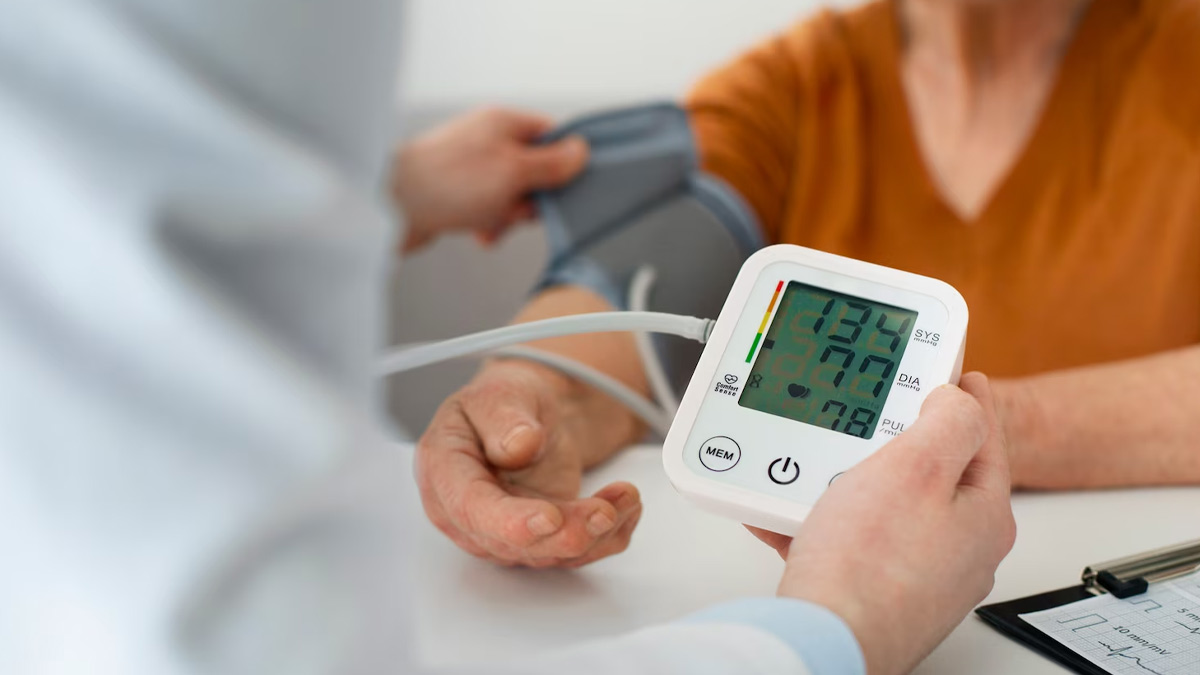 winter bp main
And what about hypertension? “Yes, cold weather can worsen hypertension as well. When the skin senses cold, the body tries to conserve heat, and the blood vessels become narrower. For someone who already has high blood pressure, this extra tightening puts more load on the heart and can lead to sudden spikes. Cold weather may also increase sympathetic nervous system activity, causing a faster heart rate and higher blood pressure. People with stiff arteries or long-standing hypertension feel this effect more strongly,” shares the expert.
Also Read: High BP During Pregnancy Puts Fetus at Risk: Expert Shares Tips To Manage and Control
Is Your Heart Health At Risk Particularly In Winter?
If you are wondering whether the colder months impact our overall heart health or not, let us answer this for you.
“Yes. Winter is associated with a higher risk of heart attacks, strokes, and heart failure episodes. The rise in blood pressure, thicker blood due to mild dehydration, and increased strain on the heart all contribute to this. People tend to be less active, gain weight, and sometimes skip medications during holidays — all of which add risk. For the elderly or those with heart disease, this seasonal stress can be significant,” explains Dr Tayal.
So, which climate is best for people with high blood pressure and why? “A mild, moderate climate — neither too hot nor too cold — is ideal for people with high blood pressure. Extreme cold causes blood vessels to constrict and raise pressure, while extreme heat can cause dehydration and rapid changes in heart rate. A stable, comfortable climate helps the blood vessels stay relaxed and reduces sudden fluctuations in pressure,” shares the expert.
 winter bp inside 1
Tips To Keep Your BP Under Control In Winter
On this note, Dr Tayal shares some hacks to keep your BP and hypertension in check in the colder months:
- Dress warmly, especially covering head, ears, and hands, to reduce sudden vessel constriction.
- Stay active indoors or outdoors, even short daily walks help maintain vessel flexibility.
- Limit high-salt foods like soups, pickles, packaged snacks, and restaurant meals.
- Stay hydrated, as dehydration thickens the blood and raises pressure.
- Monitor your BP more frequently, especially in the morning when readings are higher.
- Avoid sudden exposure to cold, such as stepping outdoors immediately after waking or bathing; acclimatise gradually.
- Continue all prescribed medications, and avoid skipping doses during holidays.
 winter bp inside 2
Tests And Tips For Elderly To Keep BP Under Control In Winter
Prevention is always better than cure. Elderly people can grow more awareness about their health in winter with certain tests. Dr Tayal recommends the following tests for elderly to monitor their BP and hypertension in winter:
- Regular BP monitoring: at least 3–4 times a week.
- ECG if there are symptoms like chest discomfort or palpitations.
- Kidney function test (creatinine, electrolytes) once or twice a year, as hypertension affects kidneys.
- Lipid profile yearly to track heart risk.
- The expert also mentions some more winter-specific tips for the elderly:
- Keep rooms warm but well ventilated.
- Take a few minutes to warm up the body before going outdoors.
- Ensure good hydration even if they don’t feel thirsty.
- Check for dizziness or imbalance—cold weather plus multiple medications can worsen it.
- Maintain a regular routine for meals, sleep, and medicines to avoid pressure swings.
Also Read: Can Anxiety Lead to a Heart Attack? Here Is What A Cardiologist Says
The Final Word
Blood pressure often rises in winter because cold temperatures make our blood vessels tighten, a process called vasoconstriction. Cold weather can worsen hypertension as well. When the skin senses cold, the body tries to conserve heat, and the blood vessels become narrower. You can keep your BP and hypertension in check in the colder months by following simple hacks such as staying active indoors or outdoors and dressing warmly.
FAQ
Do blood pressures increase in winter?
Yes, blood pressure generally increases in winter due to the body's natural response to cold.Is 150 BP normal in winter?
A normal blood pressure reading is typically around 120/80 mmHg, while a reading of 130/80 mmHg or higher is considered hypertension.Can dehydration cause high BP?
Yes, dehydration can cause high blood pressure.
All possible measures have been taken to ensure accuracy, reliability, timeliness and authenticity of the information; however Onlymyhealth.com does not take any liability for the same. Using any information provided by the website is solely at the viewers’ discretion. In case of any medical exigencies/ persistent health issues, we advise you to seek a qualified medical practitioner before putting to use any advice/tips given by our team or any third party in form of answers/comments on the above mentioned website.

How we keep this article up to date:
We work with experts and keep a close eye on the latest in health and wellness. Whenever there is a new research or helpful information, we update our articles with accurate and useful advice.
-
Current Version
Dec 24, 2025 18:57 IST
Modified By : Shruti Das Dec 24, 2025 18:57 IST
Modified By : Shruti DasDec 24, 2025 18:57 IST
Published By : Shruti Das
Reviewed By : Dr Tushar Tayal