


Feeling sudden chest tightness, breathlessness, or a racing heart can be terrifying. Many people instantly fear the worst, a heart attack. But in many cases, anxiety or panic attacks can create symptoms that feel almost identical to heart trouble. This overlap often leads to confusion, fear, and delayed care.
Table of Content:-
To understand whether anxiety can really lead to a heart attack and when symptoms should never be ignored, we spoke to Dr Divya Marina Fernandes, Consultant – Heart Failure Specialist & Interventional Cardiologist at Aster RV Hospital, Bangalore. She explains how anxiety affects the body, how it can mimic cardiac symptoms, and when urgent medical attention is essential.
How Anxiety Symptoms Can Feel Like A Heart Problem![]()
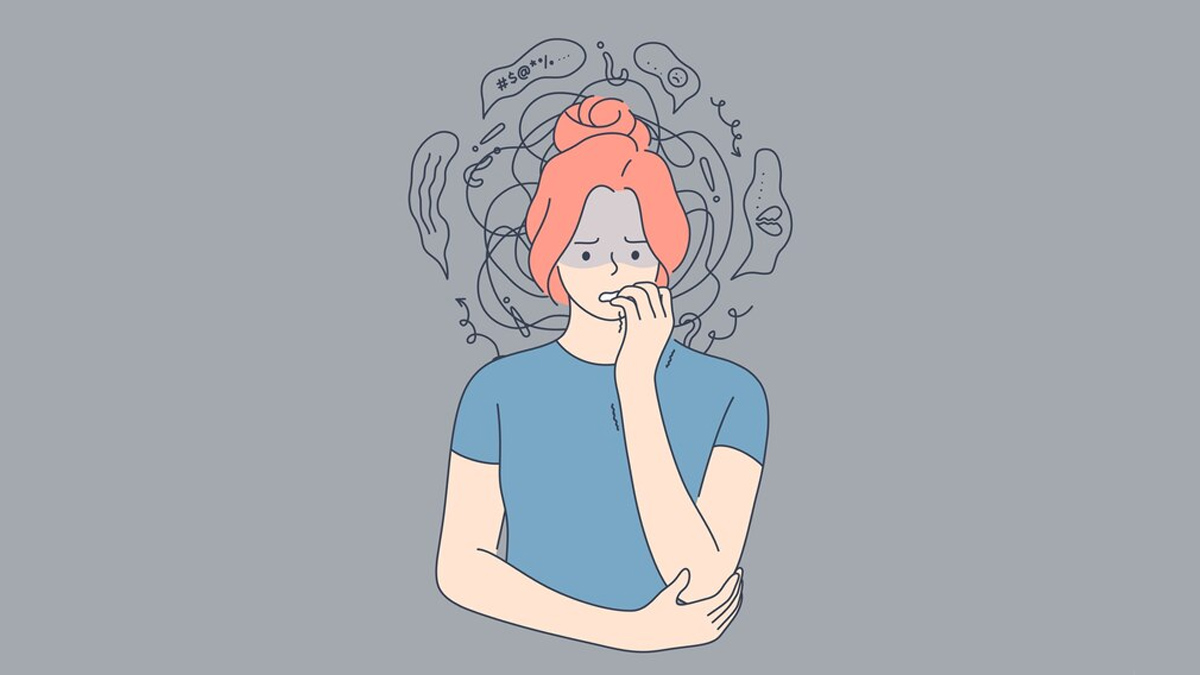
“Severe anxiety or panic attacks can closely resemble heart-related problems because both activate the body’s stress response,” says Dr Fernandes. She explains that when anxiety strikes, the body reacts as if it is facing danger. This can lead to a wide range of physical symptoms, including:
- “Sudden chest pain or tightness”
- “Rapid or irregular heartbeat”
- “Shortness of breath”
- “Dizziness, sweating, trembling, and nausea”
- “A feeling of impending doom”
- “Numbness or tingling in the arms, jaw, or neck”
Dr Fernandes adds an important distinction, “Panic-related symptoms usually peak within minutes and may occur at rest or during emotional stress. Cardiac pain is often linked to physical exertion and may worsen with time.”
When Should You Go To The Emergency Room?
If you’re unsure whether symptoms are due to anxiety or a heart issue, Dr Fernandes is clear. “If there is any doubt, it is advised to seek medical care immediately,” she says.
According to her, urgent medical attention is needed if:
- “Chest pain lasts more than a few minutes”
- “Pain radiates to the arm, jaw, or back”
- “There is breathlessness or fainting”
- She also stresses that certain people should never ignore these symptoms.
“Symptoms occurring in people over 40 or those with diabetes, hypertension, smoking history, or known heart disease must never be ignored. It is always safer to treat symptoms as cardiac until proven otherwise.”
How Anxiety Affects The Heart—explained simply
- “Anxiety activates the ‘fight-or-flight’ response in our body,” explains Dr Fernandes.
- She says this response is controlled by stress hormones such as adrenaline and cortisol.
- “These hormones increase heart rate, raise blood pressure, tighten chest muscles, and speed up breathing to prepare the body for danger.”
- When anxiety happens without real physical danger, the body still reacts strongly.
- “Reduced carbon dioxide from rapid breathing can cause dizziness and chest discomfort, while muscle tension can mimic chest pain, creating symptoms that feel very similar to a heart problem.”
Can Anxiety Worsen Heart Disease If You Already Have It?![]()

For people with existing heart conditions, anxiety can significantly affect recovery. “Untreated anxiety can slow down recovery and worsen outcomes for patients with existing heart problems,” says Dr Fernandes. She explains that chronic anxiety:
- “Elevates stress hormones”
- “Increases blood pressure, heart rate, and inflammation”
- “Strains the heart over time”
- It can also interfere with treatment.
- “Anxiety can reduce medication adherence and discourage healthy lifestyle changes.”
On the positive side, she notes, “Addressing anxiety improves quality of life, enhances rehabilitation outcomes, and lowers the risk of repeat cardiac events. Mental health care is now recognised as an essential part of cardiac recovery.”
Treatments That Help Both Anxiety and Heart Health
- “Cognitive Behavioural Therapy (CBT) helps regulate stress responses and reduces harmful hormonal surges,” says Dr Fernandes.
- She adds that, “Medications, when prescribed appropriately, stabilise mood without increasing cardiac risk.”
- Lifestyle measures also play a major role. According to her, “Regular exercise, yoga, meditation, adequate sleep, and breathing exercises help lower stress hormones, improve heart rate variability, and reduce blood pressure.”
- She also advises, “Avoiding smoking, excess caffeine, and alcohol benefits both anxiety control and cardiovascular health.”
What To Do During An Anxiety-Related Episode
Dr Fernandes says the first step is always medical evaluation.
- “The first step is medical treatment to rule out heart problems.”
- Once heart causes are excluded, care focuses on calming the nervous system.
- “Slow, controlled breathing, reassurance, and grounding techniques help reduce symptoms quickly.”
- For long-term care, she adds, “Treatment may include psychotherapy, medications if needed, stress management training, and regular follow-up. Addressing both mental and physical health offers the best outcomes and prevents recurrence.”
A large study published in the Journal of the American College of Cardiology found that anxiety disorders are associated with an increased risk of coronary heart disease and cardiac events. The study highlights that chronic stress and anxiety can contribute to long-term cardiovascular strain, reinforcing the need for early mental health support alongside heart care.
Conclusion
Anxiety may not directly cause a heart attack in everyone, but its effects on the body are real and powerful. It can mimic heart symptoms, delay care, and worsen outcomes for people with existing heart disease. The key takeaway is simple—never ignore chest symptoms, and never dismiss mental health. When anxiety and heart health are treated together, recovery is stronger, safer, and more sustainable.
Also watch this video
How we keep this article up to date:
We work with experts and keep a close eye on the latest in health and wellness. Whenever there is a new research or helpful information, we update our articles with accurate and useful advice.
Current Version
Dec 18, 2025 16:46 IST
Published By : Vivek Kumar