


With the rise of wellness apps, smart bottles, health devices, and constant health reminders, many of us are still probably unaware that we may be walking around dehydrated. Fatigue, headaches, dry skin, and irritability are some of the subtle signs of dehydration that are generally overlooked or dismissed due to a hectic lifestyle.
Table of Content:-
In the ongoing era, experts warn of a rising incidence of chronic low-grade dehydration, especially among young adults and working professionals. To gain more insights into this phenomenon, the editorial team of Only My Health reached out to Dr Pooja Binnani, Consultant Nephrology, KIMS Hospitals, Thane. She underlines how this is a dehydrated generation.
How Modern Lifestyles Mask Thirst
"Today's lifestyle is designed in a manner that dampens our natural thirst drive," says Dr Pooja Binnani. Long hours spent in air-conditioned offices, prolonged screen time, and deep mental engagement, whether one is scrolling, typing, or gaming, can suppress the brain's capacity to send out signals for thirst. By the time thirst strikes, mild dehydration has already set in.
Also Read: Amid Eggoz Controversy, Cancer Surgeon Claims Antibiotic in Eggs Not a Major Risk
According to medical reports, dehydration is essentially the excessive loss of body water and, to varying degrees, electrolytes. Vomiting and diarrhoea are the most common causes of dehydration, particularly in children, as mentioned in the report.
Rising global temperatures and intensifying summer heat have also contributed significantly to the dehydration problem, especially for those who spend more time outdoors in the sun.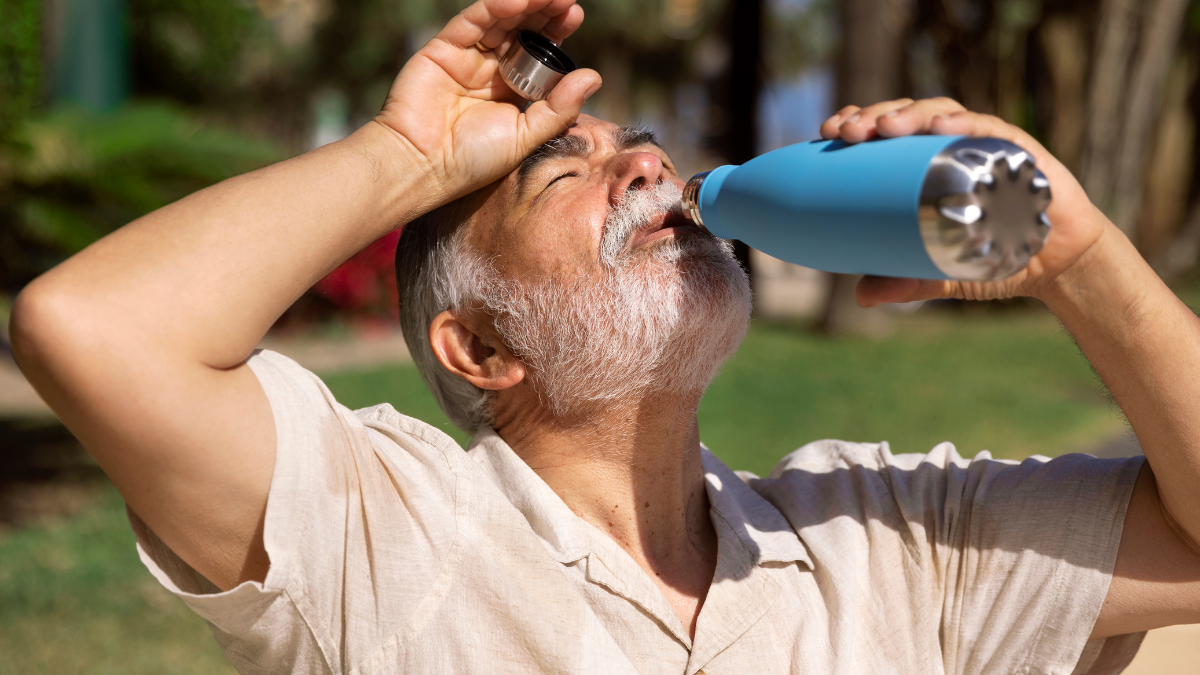
Drinking, But Not Hydrating
Most people think that sipping on tea, coffee, sodas, and packaged juices constitutes hydration, but Dr Binnani highlights, "Caffeinated drinks and those containing sugar can actually promote the loss of water in the body.”
“Caffeine is a mild diuretic; the spike in blood sugar due to sugar increases urination; and many juices are high in sugar but low in true hydration and almost zero nutrition,” Dr Binnani adds. While we feel like we are drinking enough, our cells are still thirsty.
Also Read: Novo Nordisk Launches Viral Diabetes Drug Ozempic In India: Starting Weekly Dose For INR 2,200
Stress and Diet Exacerbate Dehydration
According to a Cleveland Clinic report, our body is made up of up to 78% water, with different body parts having varying water ratios:
- Brain: 73% water
- Heart: 73% water
- Human bones: 31% water
- Muscles and kidneys: 79% water
- skin: 64% water
- Lungs: 83% of water
Also Read: Why Do Some Of Us Feel Extremely Sleepy While Commuting?
And for all the above body parts, one undercover villain is making them dehydrated, and that is Stress. “Chronic stress raises cortisol, which in itself can increase water loss and disturb the balance of electrolytes,” Dr Binnani notes.
She further warns, "Add to that a diet high in salty snacks, processed foods, and caffeine, and it becomes almost logically explainable how silently dehydration creeps into daily life."
Subtle Signs of Chronic Dehydration
Mild dehydration is seldom dramatic and, because of that, usually goes unnoticed. Dr Binnani shares a few classic symptoms of chronic dehydration:
- Persistent fatigue or afternoon slumps
- Headaches
- Dry skin or chapped lips
- Poor concentration
- Mood swings or irritability
- Muscle cramps or constipation
- Dark yellow-coloured urine
Other long-term effects include kidney stones, urinary tract infections, defects in digestion, and lack of physical stamina. Children and the elderly are more prone to these health risks due to dehydration.
Also Read: The Viral Content Creator Gunit Banga’s Painful Discovery Of Nephrotic Syndrome. Know What This Medical Condition Is?
Simple Habits to Stay Hydrated
Instead of reminders or forcing eight glasses a day, mindful hydration is what Dr Binnani suggests. She advises that individuals should make a few lifestyle changes in their daily routine, and that will eventually solve the issue itself without any extra supervision:
- Start your day off with a glass of water.
- Keep a water bottle visible on your desk.
- Take sips of water between tea or coffee breaks.
- Incorporate foods rich in water, such as fruits, vegetables, and soups.
- Sip small quantities consistently rather than gulping occasionally.
"Hydration is not about quantity; it's a way of making water part of your life," Dr Binnani says.
Conclusion
In our digitally driven, stress-heavy world, water is a humble yet often forgotten need. According to Dr Binnani, most people in this generation are dehydrated without even knowing that. Constantly being on mobile phones often keeps their mind indulgent, not letting them send enough signals to drink water, and the soda and sugar drinks available in the market make the condition worse. Perhaps the most evolved type of wellness is the simplest: pausing throughout the day to drink enough water. A few mindful sips can create a world of difference in your energy, concentration, and overall health, while also keeping you away from clinical trials.
Also watch this video
FAQ
What are the symptoms of dehydration?
Persistent fatigue, headaches, dry skin, dark yellow-coloured urine, and muscle cramps are some of the subtle signs that you are dealing with dehydration.What is dehydration?
Dehydration is basically the excessive loss of body water and fluids, along with varying degrees of electrolytes and vomiting and diarrhoea are common causes.How to quickly cure dehydration?
To quickly cure dehydration, doctors often suggest drinking Oral Rehydration Solutions (ORS) based on the WHO formula. However, drinking salt water and consuming water-rich foods are also good ways to rehydrate the body.
How we keep this article up to date:
We work with experts and keep a close eye on the latest in health and wellness. Whenever there is a new research or helpful information, we update our articles with accurate and useful advice.
Current Version
Dec 13, 2025 16:44 IST
Modified By : Sameeksha SharmaDec 13, 2025 16:44 IST
Published By : Sameeksha Sharma