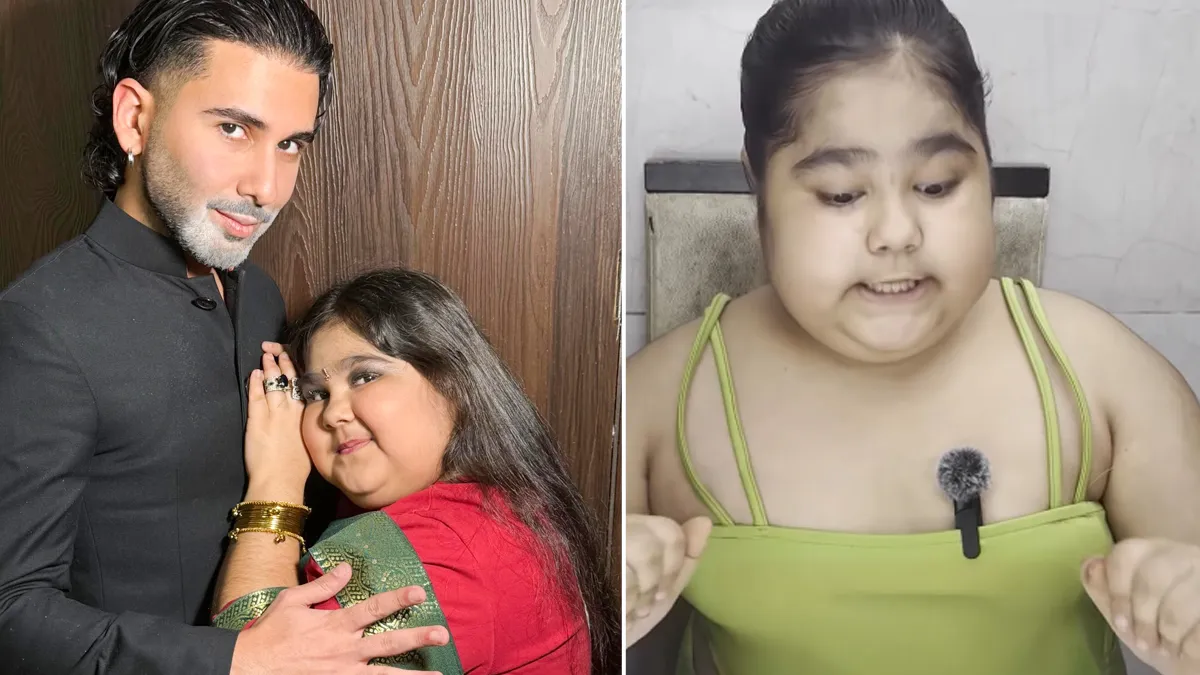
Gunit Kaur Banga’s makeup, dance, and celebrity look videos have been going viral for the last few years now. On Instagram, you will find this 11-year-old tween girl creating fun dance videos, mimicking Dhurandhar’s Akshay Khanna viral look, posing with Orry, and many more. This all seemed quite successful, with 113K following, but this was not the case at first. Social media is a cruel world, and in the past few years, she faced quite harsh bullying, body shaming, and negative comments for her puffy face and increased body weight.
However, Gunit Banga has recently opened up that her body changes are actually the result of a rare kidney disease, Nephrotic Syndrome, that she is battling with. To get more insight about this rare medical condition and how one can manage this, we spoke to Dr Pooja Binnani, Consultant Nephrology, KIMS Hospitals, Thane. Continue reading to know more about the disease:
Gunit Banga On Her Nephrotic Syndrome Battle
Gunit Banga is a content creator who first went viral for her makeup and dance videos during the COVID-19 lockdown. Through the lens of social media, you will find her to have a fun and lively personality, enjoying her dream life as an influencer. However, in May 2025, after dealing with negative comments focusing on her body changes, she revealed that she had been struggling with Nephrotic Syndrome since the age of 6.
“We visited several paediatric hospitals, and they suggested visiting a Kidney Specialist, and we found out about my disease. The doctor suggested giving steroids, but my mother tried some alternative treatments first. We tried everything, from homoeopathy to magnet therapy, but nothing worked, and instead, I was getting weaker day by day. However, later I was immediately put on heavy steroids and had to take multiple medicines throughout the day," Banga shared in a two-part video.
View this post on Instagram
What Is Nephrotic Syndrome?
As per a report by the Cleveland Clinic, Nephrotic Syndrome is a medical condition in which your kidneys start producing excess protein in your urine.
In simple words, in this renal syndrome, kidney filters, known as glomeruli, begin to leak large amounts of proteins into the urine. "Normal kidneys maintain necessary proteins within the bloodstream. However, if these filters are compromised due to various reasons, then leakage of protein occurs, resulting in several metabolic disturbances," explains Dr Pooja Binnani.
The disorder affects the immune system, thereby making you prone to several diseases and causing swelling around the eyes, feet, and abdomen and sudden body weight gain. Although the bright side here is that it can be treated, timing plays an important role.
Also Read: Big Screen Prognosis: Big B’s ‘Paa’ Offers A Powerful Portrayal Of A Child Suffering From Progeria; Doctor Explains How Common It Is
According to Dr Binnani, it’s much more prevalent in kids compared to adults, and falls mainly within children between 2 to 6 years old. “It’s primarily because most suffer from something called Minimal Change Disease. It doesn’t have very serious abnormalities in the beginning. Nonetheless, there is a serious loss of proteins."
Speaking about what causes this disease, Dr Binnani adds, “The reason may not be certain, but might include viral infections, allergies, and immune factors, as well as some genetic predisposition. As a result, due to their yet unformed immune systems, children would be more vulnerable to these types of immune and renal reactions.”
View this post on Instagram
Early Symptoms That Parents Should Not Ignore
These initial warning signs can be very subtle, and most parents are confused about these warning signs with normal weight gain and fatigue. Passing a warning to not ignore them, Dr Binnani shares some symptoms mentioned below:
- Puffiness around the eyes, especially in the morning
- Swelling of legs, feet, and abdomen
- Weight gain within a couple of days, mostly unexpectedly
- Reduced urine production
- Presence of frothy or bubbly urine
- Anorexia or lack of energy
“These symptoms, on their own, may not appear so serious, but presenting with all these symptoms at once indicates kidney involvement with a certainty that is very high,” she continues.
Also Read: Bengaluru Doctor Explains Why Measles Outbreak In The US Is A Warning For India Too
How Severe Can Nephrotic Syndrome Be?
The majority of Nephrotic Syndrome can be controlled with treatment, but complications associated with untreated Nephrotic Syndrome include infections, thrombosis, hyperlipidaemia, malnutrition, and, less often, renal failure and, in a few cases, mortality.
“Parents should be made aware that it’s not a mild disease. It needs structured treatment and follow-through. But with that, the prognosis for most kids is excellent,” assures Dr Binnani.
Also Read: Eating A Handful of Peanuts For 16 Weeks Boosts Brain Health; Study Claims
Treatment and Long-term Management
According to Dr Binnani, “The preferred form of treatment for Nephrotic Syndrome in kids is with the use of corticosteroids. These help in combating inflammation and correcting kidney dysfunction. Their result should occur within no more than two weeks, or perhaps even earlier.”
She further mentions that the process followed for modern treatment would include, among other steps:
- Steroid therapy as the first line of treatment
- Diuretics to reduce swelling if necessary
- Albumin infusions in severe cases
- Medications to prevent infections
- Lifestyle measures such as reduced salt intake
Conclusion
According to a few reports and researchers, Nephrotic Syndrome impacts a large number of people with kidney problems, especially children. Sadly, Nephrotic Syndrome has been among the least understood renal conditions due to its late diagnosis and a lack of social awareness, and Gunit was also a victim of the same. When people used to make fun of her appearance due to the lack of awareness, she was focusing only on what she enjoyed and creating her content. At the end of the conversation, Dr Binani also highlights that with proper medical treatment, family support, and a healthy diet, one can lead a healthy and normal life.
FAQ
What is the nephrotic syndrome?
Nephrotic Syndrome is a medical condition in which your kidneys excrete an excessive amount of protein into your urine.What is the main cause of nephrotic syndrome?
Nephrotic Syndrome can be caused by a variety of factors, including viral infections, allergies, and immune factors, as well as some genetic predispositions.What is the best treatment for nephrotic syndrome?
The preferred form of treatment for Nephrotic Syndrome in children is the use of corticosteroids. These help in combating inflammation and correcting kidney dysfunction.
All possible measures have been taken to ensure accuracy, reliability, timeliness and authenticity of the information; however Onlymyhealth.com does not take any liability for the same. Using any information provided by the website is solely at the viewers’ discretion. In case of any medical exigencies/ persistent health issues, we advise you to seek a qualified medical practitioner before putting to use any advice/tips given by our team or any third party in form of answers/comments on the above mentioned website.
How we keep this article up to date:
We work with experts and keep a close eye on the latest in health and wellness. Whenever there is a new research or helpful information, we update our articles with accurate and useful advice.
-
Current Version
Dec 12, 2025 14:49 IST
Modified By : Sameeksha Sharma Dec 12, 2025 14:49 IST
Modified By : Sameeksha SharmaDec 12, 2025 14:49 IST
Modified By : Sameeksha SharmaDec 12, 2025 14:49 IST
Published By : Sameeksha Sharma