

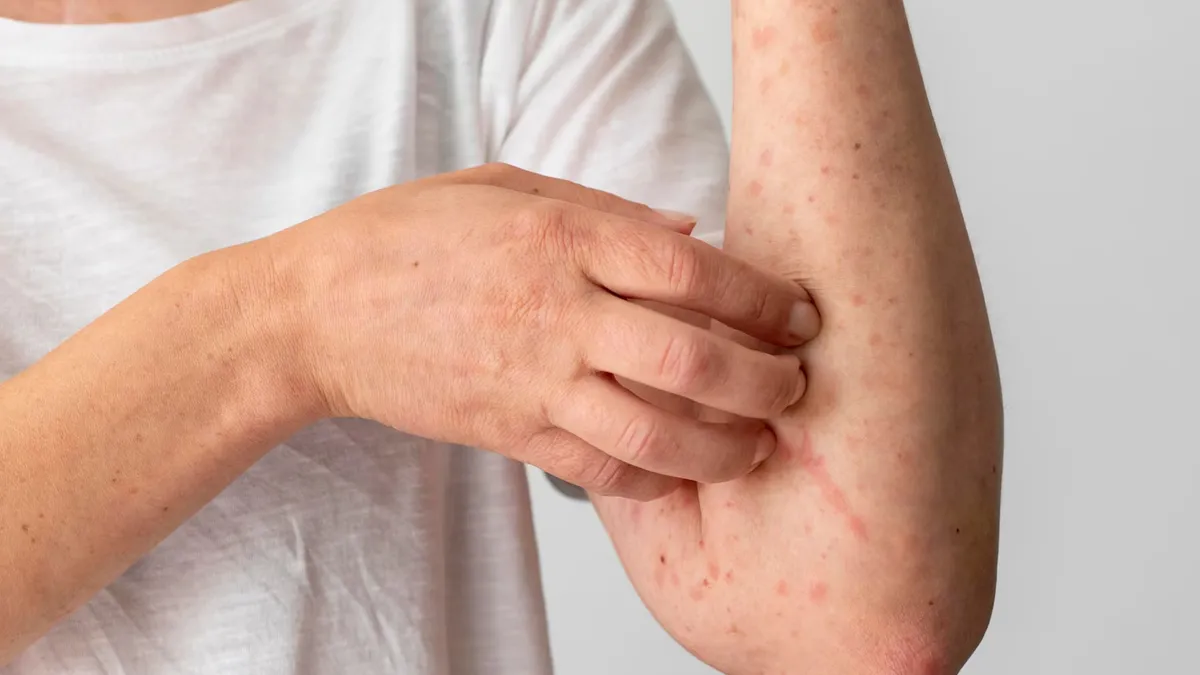
After almost 30 years, the United States has experienced a severe outbreak of Measles, a highly contagious viral infection, this year, with the total number of cases crossing more than 1,800 and three deaths recorded until last week. According to the United States' Centers for Disease Control and Prevention (CDC), cases have been confirmed from 43 jurisdictions and include 24 cases involving international travellers. West Texas and South Carolina have been the worst-infected areas.
Table of Content:-
The Measles outbreak in the US also presents a wrinkle for the international fraternity because of its airborne nature, making it more prone to crossing borders. To gain more insight about the disease, its treatment, and whether it is a concern for people in India, the editorial team of Onlymyhealth spoke to Dr Suchismitha Rajamanya, Lead Consultant & HOD - Internal Medicine, Aster Whitefield Hospital, Bengaluru. Continue reading to know what she said.
What is Measles, and How Does it Spread?
Measles is a viral infection caused by the measles virus, which is highly contagious and is characterised by a high fever, cough, runny nose, red eyes, and a typical rash. Dr Suchismitha Rajamanya shared, “It is transmitted through the air when an infected person coughs or sneezes. However, what makes the disease so dangerous is its airborne nature.” The virus can remain in the air and on surfaces for up to two hours even after the infected person leaves.-1765364859814.jpg)
Dr Rajamanya further explained that one person infected with the virus can infect atleast 12 to 18 individuals who are not immune to the virus, thereby making it difficult to contain measles outbreaks in areas where people are not vaccinated.
Measles Outbreak: A Risk to Travel or Diaspora?
The reason why the Measles outbreak is a travel or diaspora risk to India is that India has a huge population living overseas and a large number of international travellers, which makes it easy for cases to be imported from regions where the disease is prevalent. As the data shows in the US, children between 5 to 19 years of age are more prone to getting infected, and the chances of hospitalisation are also increased in this age group.
Also Read: Chickenpox In Adulthood: Causes, Risks, and Late Age Limits
Dr Rajamanya stated, “Even if the domestic vaccination coverage is at a good level, there are still some pockets of populations that are either under-immunised or are vaccine-hesitant. Measles finds its way into these immunity gaps. When people travelling from countries with outbreaks, for instance, areas of Europe, the Middle East, or the United States, come to India, they may start the spread of the virus in communities that have not been uniformly immunised.”
The disease is highly transmissible even before the infected person shows the full-blown symptoms; hence, travellers may be in possession of the virus and be crossing borders without knowing it.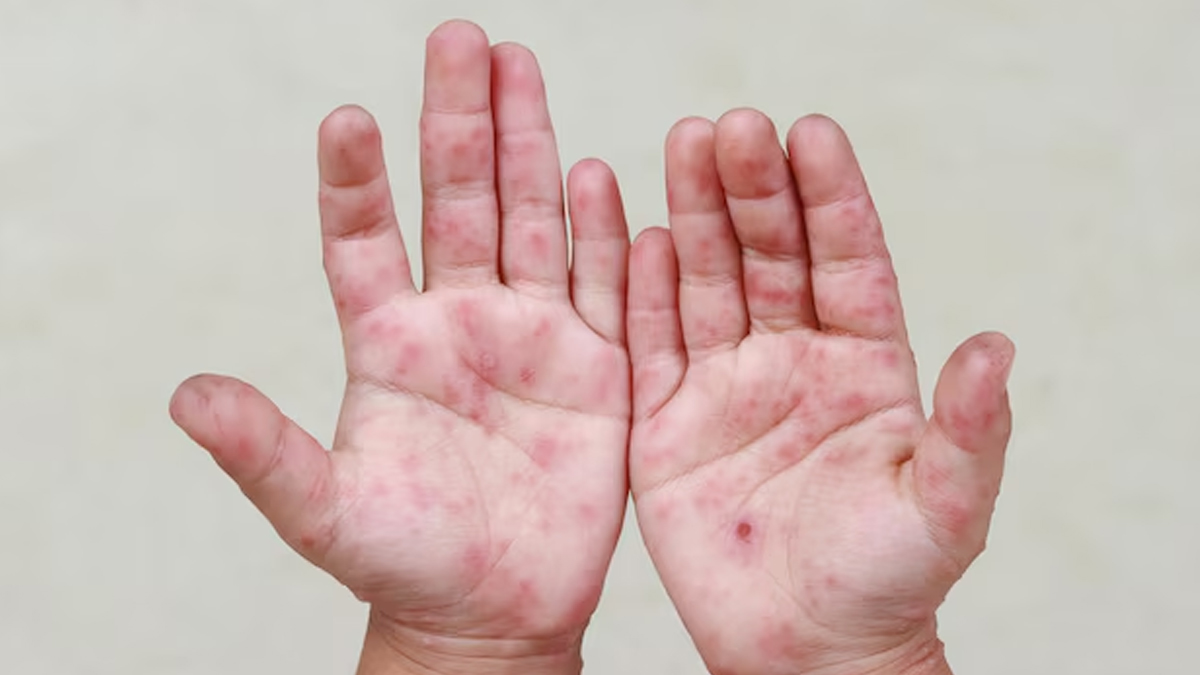
Tips to Stay Safe From Measles
The best protection against Measles is the MMR vaccination (Measles, Mumps, Rubella), which should be given in two doses. A high coverage level, something above 90 to 95%, for the whole community is vital for the prevention of outbreaks. “At present, no antiviral medication has been developed for Measles, and treatment is mainly supportive, which involves measures such as fever control, dehydration management, and careful observation for complications like pneumonia,” said Dr Rajamanya. However, there are a few ways to protect yourself from the infections mentioned below:
- People who are going to or coming from places where the disease has broken out should make sure that they have been vaccinated.
- Vaccination is equally important for adults who may not have received the vaccine when they were children.
- Good hygiene habits, such as washing your face, hands, and other visible skin areas once you come back home.
- Avoid close contact with sick people and always cover your face in public zones.
- Just like COVID, the infected person should live in a separate and closed environment, maintaining a distance from people to prevent transmission to others.
- The routine supplementation of vitamin A is strongly advocated for children suffering from the infection, as it not only reduces the chances of severe outcomes but also the mortality rate.
“When the disease is rampant, health officials may suggest vaccination through an immunisation drive or the early vaccination of infants beyond six months,” Dr Rajamanya suggested.
Also Read: Do Detox Diets Actually Work for Your Digestive System? Expert Explains
Do You Need To Worry?
Measles is still among the leading causes of death due to vaccine-preventable diseases in children worldwide. When it comes to whether you should worry or not, Dr Rajamanya explained that, in general, people living in India need not panic unless they get in touch with someone infected or someone who has been doing international travel.
The disease, which is erroneously considered a mild ailment of childhood, may eventually give rise to severe complications. Here are a few possible complications of Measles shared by Dr Rajamanya:
- Pneumonia
- Encephalitis
- Loss of eyesight
- Dehydration
- Immune suppression
The above complications may last for a few months or years and make the children even more vulnerable to various infections. Dr Rajamanya shared, “The gravity of the cases can be such that those affected require medical care in a hospital setting. Furthermore, there is a higher risk of death in malnourished children, pregnant women, and immunocompromised individuals.”
Bottomline
According to the World Health Organisation (WHO), Measles first infects the respiratory tract and then spreads throughout the body. In 2024, an estimated number of 95.000 people died from this infection, making it a serious public health concern. Besides, an outbreak of this sort also puts pressure on the medical care system due to the need for rapid containment, surveillance, and community immunisation. Considering the overall seriousness of the disease, the US outbreak makes it a global alert.
Also watch this video
FAQ
What is measles?
Measles is a viral infection caused by the measles virus, which is highly contagious and is characterised by a high fever, cough, runny nose, red eyes, and a typical rash.What are the main causes of measles?
Measles is a contagious and airborne virus that is transmitted through the air when an infected person coughs or sneezes.Can an adult get measles?
Yes, in most cases, children and teenagers get infected, and adults are also not immune to this virus.
How we keep this article up to date:
We work with experts and keep a close eye on the latest in health and wellness. Whenever there is a new research or helpful information, we update our articles with accurate and useful advice.
Current Version
Dec 10, 2025 16:43 IST
Published By : Sameeksha Sharma